
Aydın,
-4°C
açık


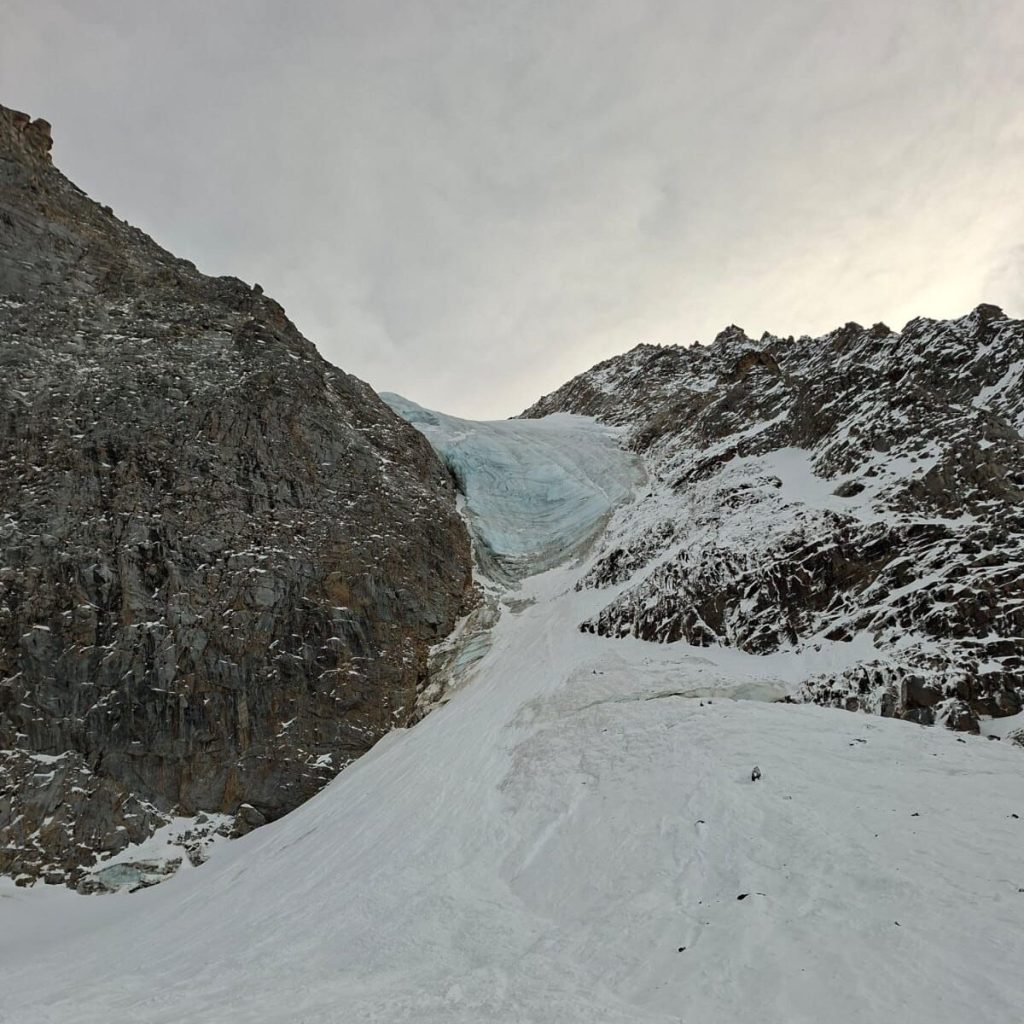
Getting to the continent’s most rapidly disappearing glacier requires a daring ride across choppy Southern Ocean waters. The only practical way to reach the ice field is by helicopter, which lifts the expedition team from a research vessel into the stark, wind‑blasted landscape.
Our science correspondent, Raymond Zhong, spent the morning with the flight crew reviewing emergency procedures. “You never think you’ll need this training until you’re actually on board,” he noted, emphasizing the importance of staying calm and following protocol.
Key steps to remember:
1. Stay seated and secure your harness as soon as the rotor sounds change.
2. Locate the emergency exit and familiarize yourself with the release handles.
3. Don the life‑vest and attach the survival rope before exiting the aircraft.
4. Move quickly but deliberately away from the crash site toward the nearest safe zone, keeping an eye on wind direction.
Passengers were also instructed to keep a compact survival kit within reach. The kit includes a thermal blanket, a whistle, and a waterproof map of the surrounding area—essential items to stay warm, audible, and oriented while awaiting rescue.
While the prospect of a helicopter mishap is unsettling, thorough preparation gives the team confidence that they can handle any emergency. With safety measures in place, Raymond and his colleagues are ready to venture onto the glacier and document the alarming rate at which the ice is vanishing.




Bu takım gerçekten çok cesur! Helikopterle bu kadar tehlikeli bir bölgeye gitmek kolay değil.