Aydın,
8°C
açık

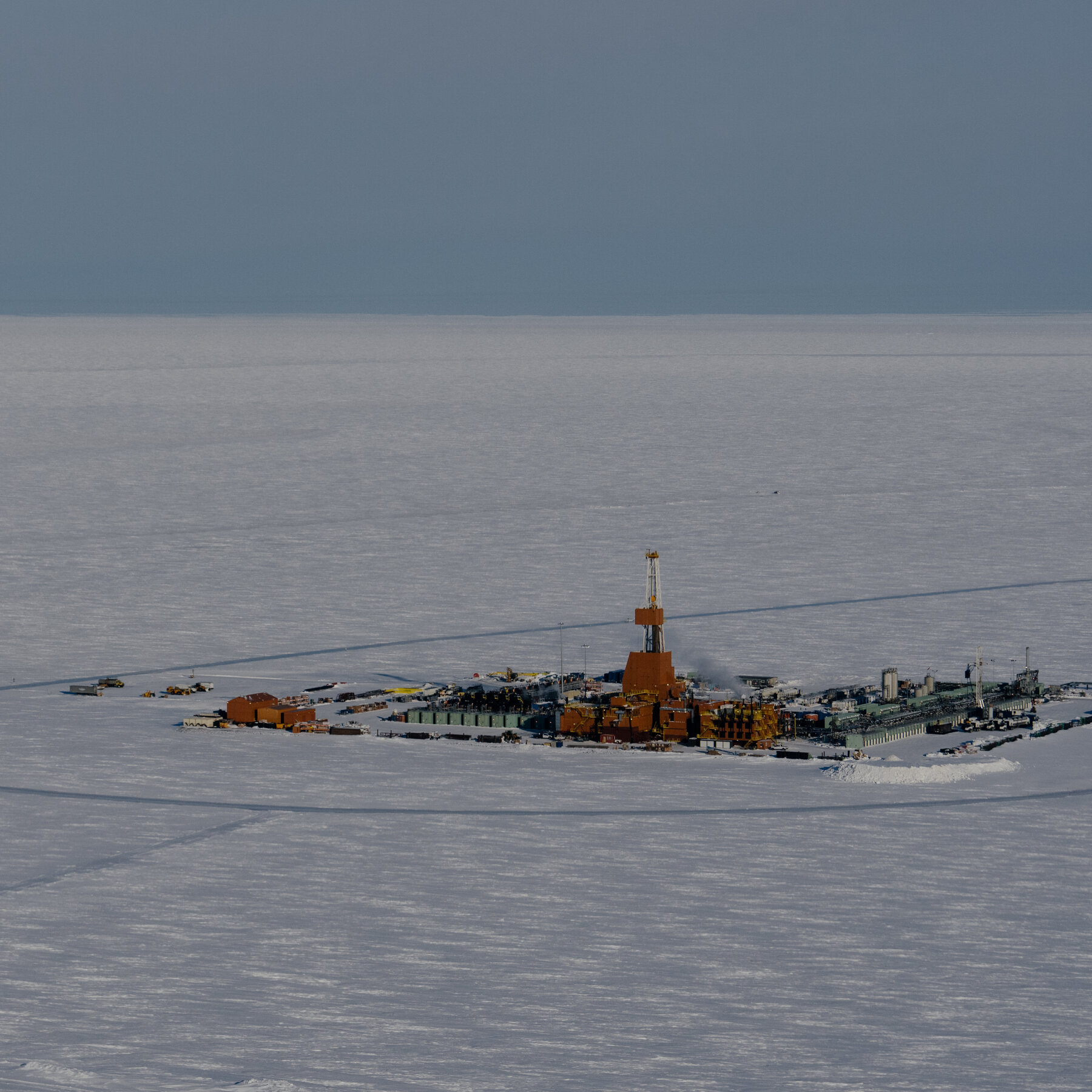
Washington, D.C. — Environmental groups and Alaska Native organizations have filed a federal lawsuit seeking to block ConocoPhillips’ proposed drilling activities in the remote Arctic region known as the National Petroleum Reserve‑Alaska (NPR‑A), the largest contiguous area of public land in the United States.
The complaint alleges that the company’s plans to develop new oil fields could irreversibly damage fragile tundra, disrupt wildlife migration corridors, and increase the risk of spills in a landscape that is still largely untouched by industrial development.
According to the filing, the plaintiffs contend that the U.S. Department of the Interior failed to conduct a thorough environmental review as required under the National Environmental Policy Act (NEPA). They argue that the agency relied on outdated data and ignored the cumulative impacts of additional infrastructure such as roads, pipelines, and support facilities.
“The Arctic ecosystem is a delicate balance of species that have adapted to extreme conditions for millennia,” said Linda K. O’Connor, executive director of the Alaska Conservation Alliance. “Allowing further oil development jeopardizes not only wildlife but also the cultural heritage of Indigenous communities that depend on these lands.”
Experts warn that even a small spill in the Arctic could have far‑reaching effects, given the region’s slow degradation rates and limited response capabilities. Additionally, the expansion of oil infrastructure could accelerate permafrost thaw, releasing stored greenhouse gases and contributing to global climate change.
The Interior Department has defended its permitting process, stating that the project meets all statutory requirements and that rigorous safeguards will be in place. The agency, however, has not commented on the pending litigation.
The case is now before the U.S. District Court for the District of Alaska. A hearing is scheduled for early next year, and the court’s decision could set a precedent for future resource extraction projects on federal lands across the country.