Aydın,
8°C
açık

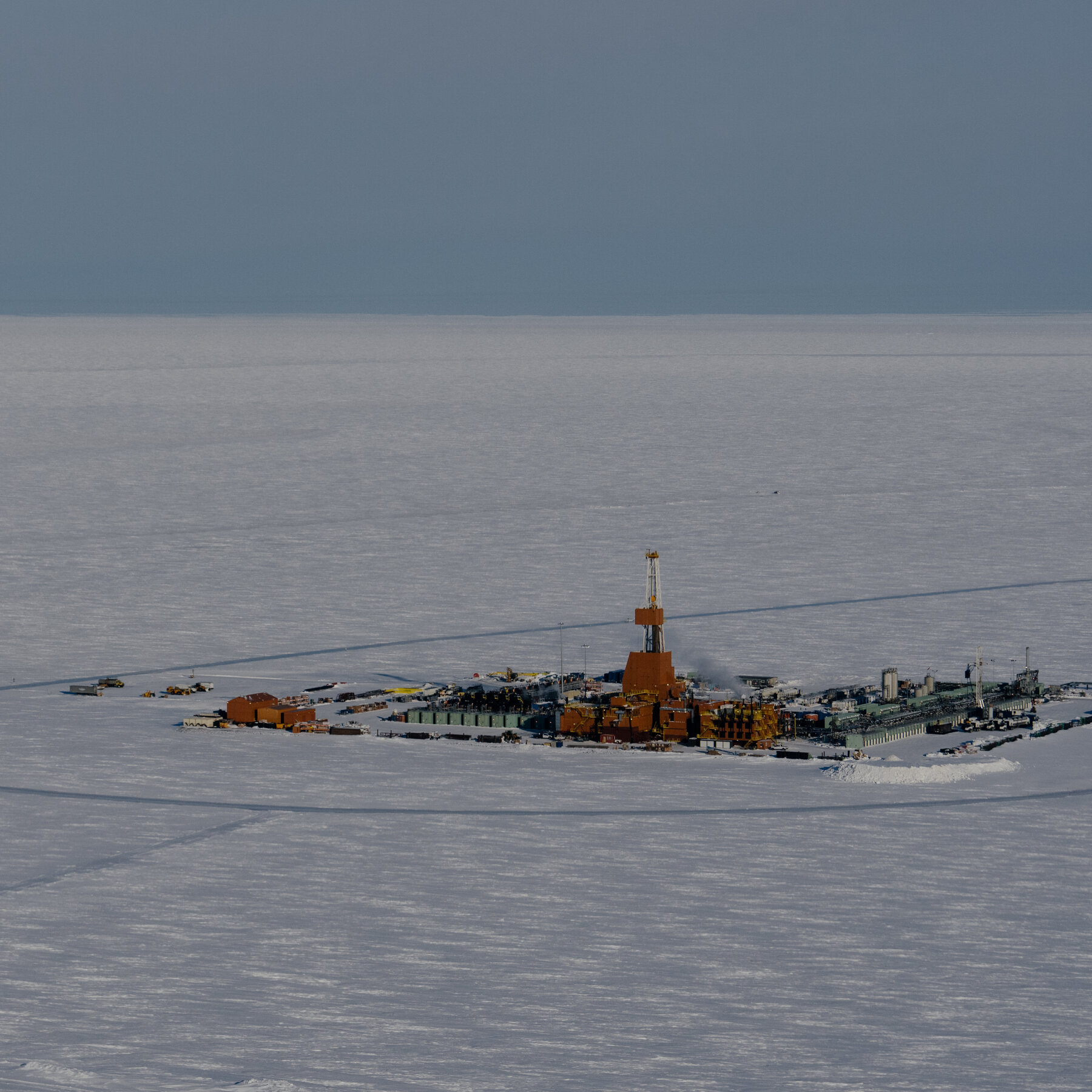
A coalition of environmental organizations and Alaska Native groups has filed a federal lawsuit seeking to stop ConocoPhillips from conducting oil‑exploration activities in the remote northern reaches of the United States. The plaintiffs argue that the proposed drilling could irreparably damage the delicate flora and fauna that thrive on the nation’s largest expanse of public land.
The lawsuit highlights several ecological risks, including:
According to the filing, the area in question encompasses more than 100 million acres of federally owned land, making it the largest contiguous public‑land tract in the United States.
ConocoPhillips has defended the project, stating that it will adhere to “the highest environmental standards” and that modern drilling techniques can minimize ecological impact. The company also emphasizes the potential economic benefits, including job creation and increased state revenues.
The plaintiffs invoke the National Environmental Policy Act (NEPA) and the Alaska National Interest Lands Conservation Act (ANILCA), asserting that the agency responsible for issuing permits failed to conduct a thorough environmental review. They are requesting a preliminary injunction that would halt all exploration activities until a comprehensive impact assessment is completed.
The case is slated for a hearing in the U.S. District Court for the District of Alaska later this month. If the court grants the injunction, ConocoPhillips would be required to pause all field operations pending further review.
Experts say the outcome of this lawsuit could set a precedent for how resource extraction is managed in the Arctic, a region that is increasingly viewed as both a frontier for energy development and a critical refuge for biodiversity. As climate change continues to reshape the Arctic landscape, the balance between economic interests and environmental stewardship remains a contentious and evolving debate.