Aydın,
-4°C
açık

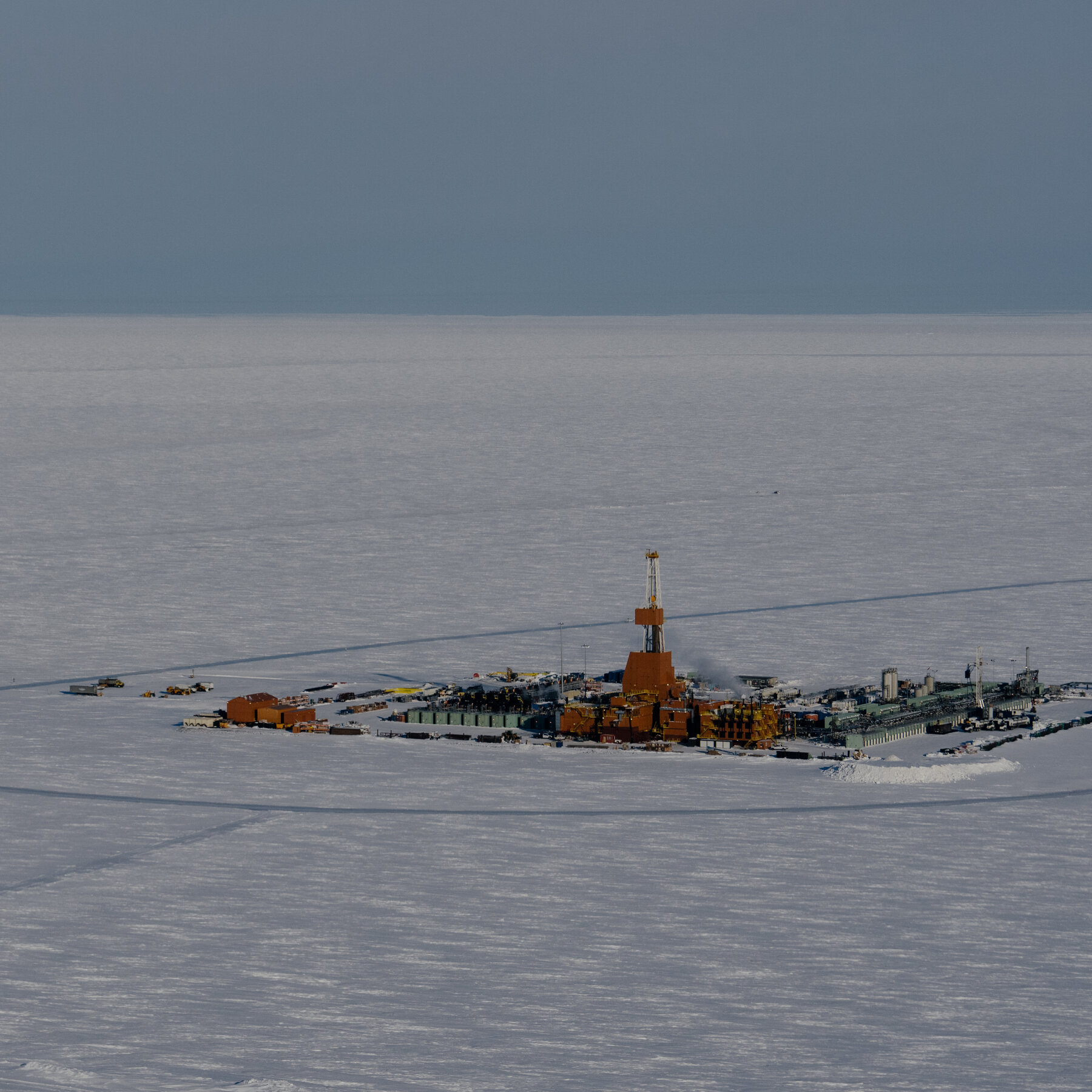
A federal lawsuit filed this week challenges ConocoPhillips’ plan to commence oil drilling in a remote section of the Arctic, arguing that the project could jeopardize one of the nation’s most fragile ecosystems.
The area in question lies within the largest contiguous stretch of public land in the United States, spanning millions of acres of tundra, wetlands, and coastal habitats that support a diverse array of wildlife, including caribou, polar bears, and migratory birds.
The plaintiffs—comprising environmental groups, Indigenous organizations, and concerned citizens—assert that the proposed drilling activities would:
In a statement, ConocoPhillips maintained that its operations would adhere to “the highest environmental standards” and that the project would bring “economic benefits and job opportunities” to local communities. The company also highlighted its commitment to using state‑of‑the‑art technology to minimize ecological disturbance.
The lawsuit alleges that the federal agencies responsible for approving the project failed to conduct a thorough Environmental Impact Statement as required by the National Environmental Policy Act (NEPA). Plaintiffs argue that this oversight violates federal law and disregards the rights of Indigenous peoples who depend on the land for subsistence.
If the court grants a preliminary injunction, ConocoPhillips would be forced to suspend all drilling activities until the environmental review process is completed. A ruling against the company could set a precedent for future resource extraction projects on public lands, especially in ecologically sensitive regions.
The case is expected to be heard in the coming weeks, with both sides preparing extensive expert testimony. Stakeholders from across the nation are watching closely, as the decision could shape the balance between energy development and conservation in the Arctic for years to come.