Aydın,
3°C
açık

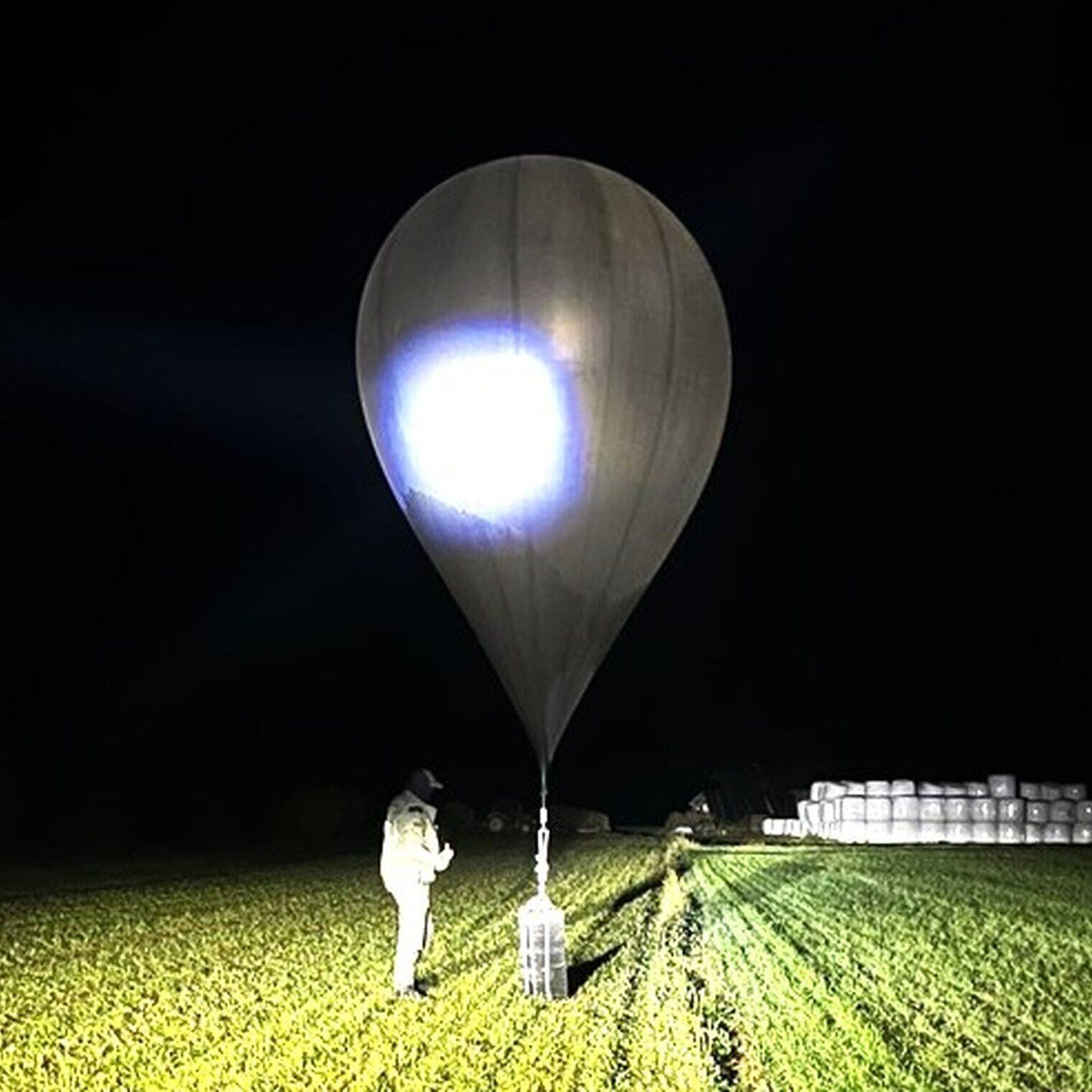
Since the start of 2024, Lithuanian air‑space has been peppered with more than hundreds of weather‑type balloons that were launched from the direction of Belarus. The devices, many of which were equipped with advanced tracking equipment, entered Lithuanian territory without any coordination with civil aviation authorities, prompting immediate concern among security services.
Air traffic controllers reported that the balloons forced the temporary closure of several regional airports and delayed dozens of commercial flights. “We had to reroute aircraft and, in some cases, suspend take‑offs for safety reasons,” explained Air Traffic Management Director Algirdas Petrauskas. The interruptions, though brief, highlighted the vulnerability of a NATO member state to unconventional aerial incursions.
In response, the Lithuanian cabinet invoked a state of emergency under its national security law. Prime Minister Ingrida Šimonytė announced that the measure would enable rapid deployment of defence resources, increased surveillance, and the establishment of a dedicated task force to investigate the origin and purpose of the balloons.
“We will not tolerate any attempts to undermine our sovereignty or jeopardise the safety of our citizens,” Šimonytė said at a press conference on Tuesday.
Belarusian officials dismissed the accusations, claiming the balloons were part of routine meteorological research. A spokesperson for the Ministry of Emergency Situations stated, “These are standard weather balloons used for scientific purposes and have no malicious intent.” However, Lithuanian intelligence agencies have presented radar data suggesting the balloons followed coordinated flight paths that align with known Belarusian launch sites.
Poland, Latvia, and Estonia expressed solidarity with Lithuania, urging a swift and coordinated response. NATO’s Secretary‑General Jens Stoltenberg released a statement affirming the alliance’s commitment to “protect the airspace of all member states against any form of hybrid aggression.”
The incident has reignited discussions within the alliance about enhancing low‑altitude detection systems and developing counter‑measures against non‑traditional aerial threats.
Lithuania’s emergency powers will remain in effect for the next 30 days, during which time authorities will continue to track and neutralise any further intrusions. The government has also called for an urgent meeting of the NATO Defence Planning Committee to evaluate the incident and consider additional safeguards for the region’s airspace.