Aydın,
10°C
parçalı bulutlu

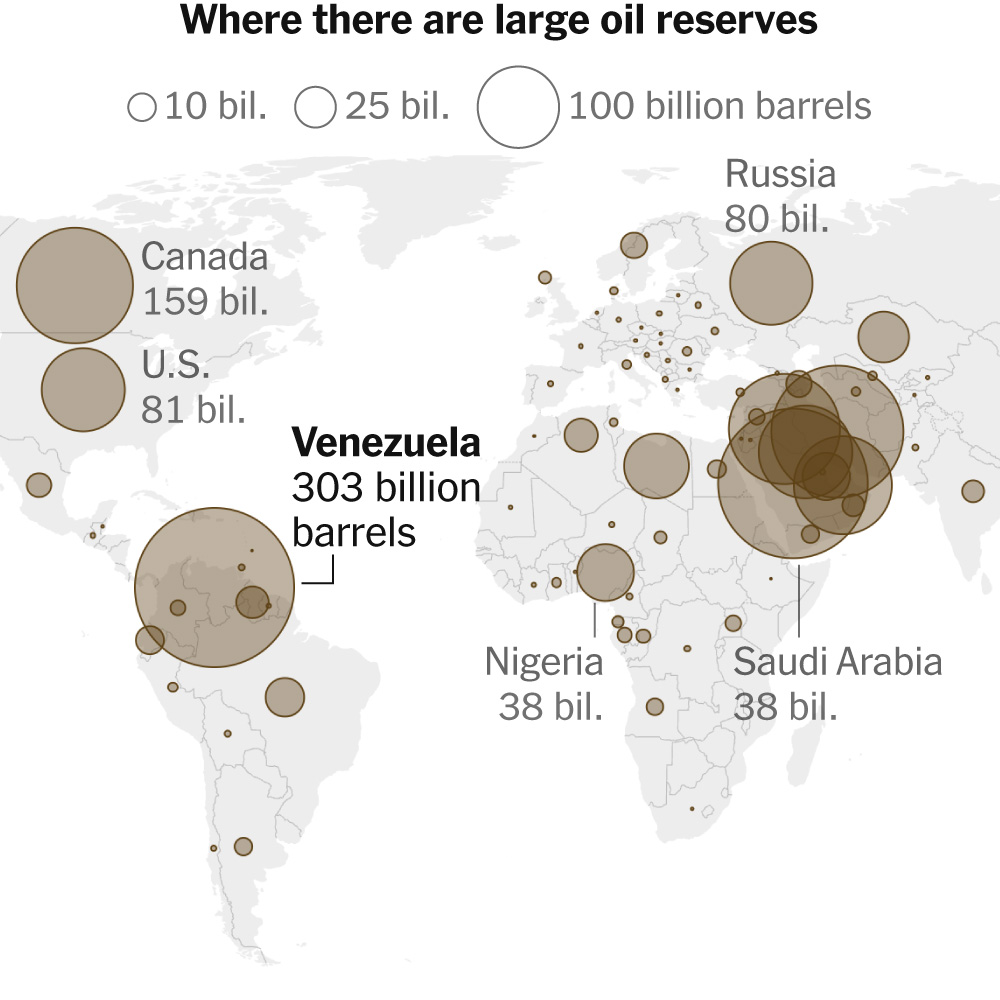
Venezuela sits on the largest proven oil reserves in the world, estimated at more than 300 billion barrels. The country’s heavy crude, known as extra‑heavy or bitumen, is among the most valuable resources in the global energy market.
Despite its massive reserves, Venezuela’s daily output has plummeted from over 3 million barrels in the early 2000s to under 800,000 barrels today. The decline is driven by a combination of aging infrastructure, chronic under‑investment, and a shortage of skilled workers. Frequent power outages, equipment failures, and a lack of spare parts have turned many oil fields into ghost towns.
The country’s increasingly confrontational stance toward the United States, especially under the Trump administration, has resulted in a series of economic sanctions. These measures prohibit American firms from doing business with Venezuela’s state oil company, PDVSA, and restrict the country’s access to international financing. The sanctions have compounded the existing operational challenges, making it harder to import the technology needed to revive production.
Oil accounts for roughly 95 % of Venezuela’s export earnings. The collapse in output has triggered a severe balance‑of‑payments crisis, hyperinflation, and widespread shortages of basic goods. While the government has tried to diversify the economy, progress has been limited, and many citizens continue to rely on the informal sector for survival.
In recent months, the Venezuelan government has announced several initiatives aimed at attracting foreign investment, including:
However, analysts warn that without a stable political environment and the lifting of sanctions, these measures are unlikely to produce a rapid turnaround.
Experts agree that Venezuela’s oil sector faces a long‑term crossroads. If the government can secure new capital, modernize its refineries, and negotiate a path out of sanctions, the country could gradually increase output and stabilize its economy. Conversely, continued isolation and internal mismanagement may keep production at historically low levels, leaving the nation’s vast reserves largely untapped.