Aydın,
-4°C
açık

In a garment factory in Bangladesh, a Hindu employee was accused of blasphemy by several Muslim co‑workers. The accusation quickly escalated when the accusers dragged the man onto a nearby street, where a hostile crowd gathered and brutally murdered him.
According to eyewitnesses, the victim was seized from his workstation and taken outside the factory premises. “They shouted religious slogans and forced him to the ground,” one worker recounted, describing how the mob beat him repeatedly before he succumbed to his injuries.
The incident has revived concerns about the rise of communal tension in the country. Human‑rights groups note that while Bangladesh is a Muslim‑majority nation, its constitution guarantees freedom of religion, yet minorities often face discrimination and violence.
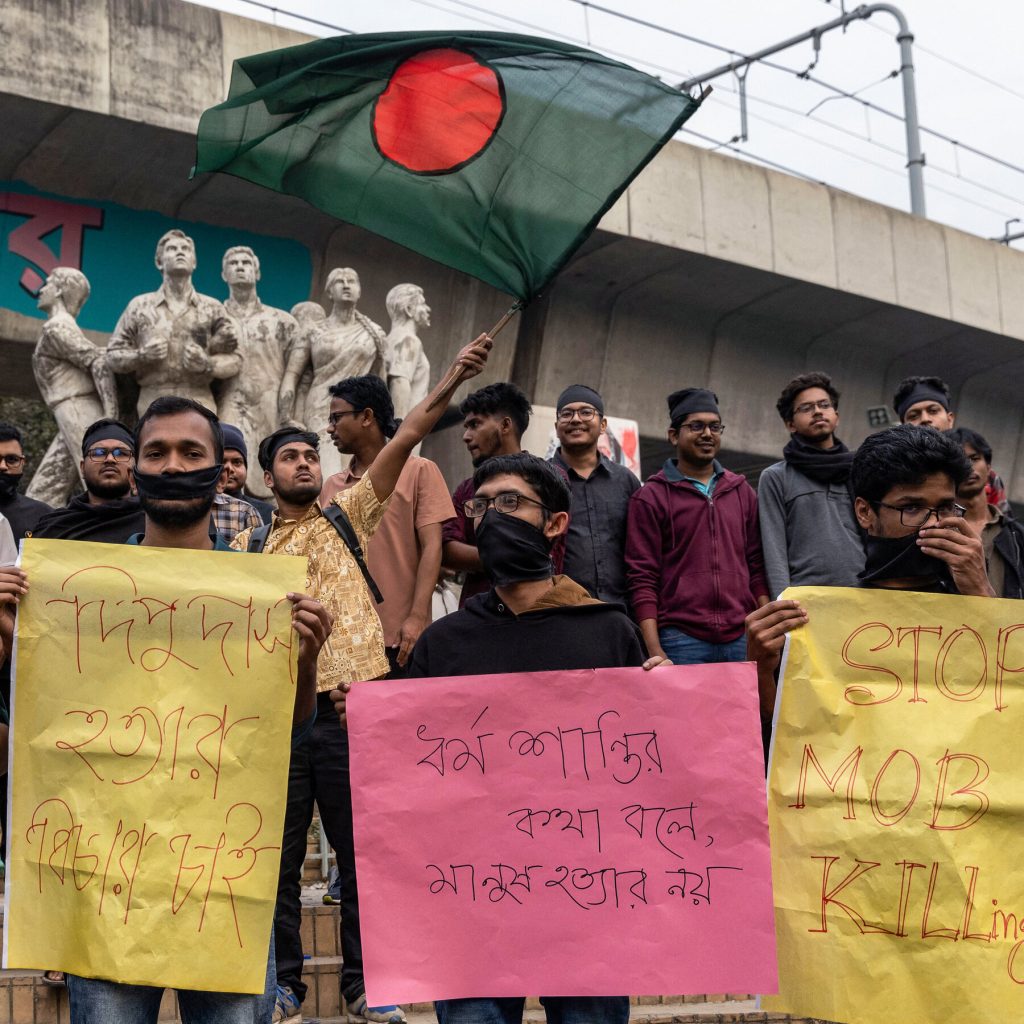
Human‑rights organisations, foreign embassies, and local activists have condemned the killing, urging the government to conduct a transparent investigation and to protect minority communities. Protests have been organized in several cities, demanding justice for the victim and an end to religious persecution.
Legal experts stress that the perpetrators should be charged under the country’s anti‑terrorism and homicide laws. “If the state fails to act decisively, it sends a dangerous signal that mob justice is tolerated,” said a senior lawyer specializing in minority rights.
The tragedy highlights the urgent need for stronger safeguards for religious minorities and for a robust response to hate‑driven violence. Observers warn that without decisive action, incidents like this could become more frequent, further eroding social cohesion in Bangladesh.