Aydın,
8°C
açık

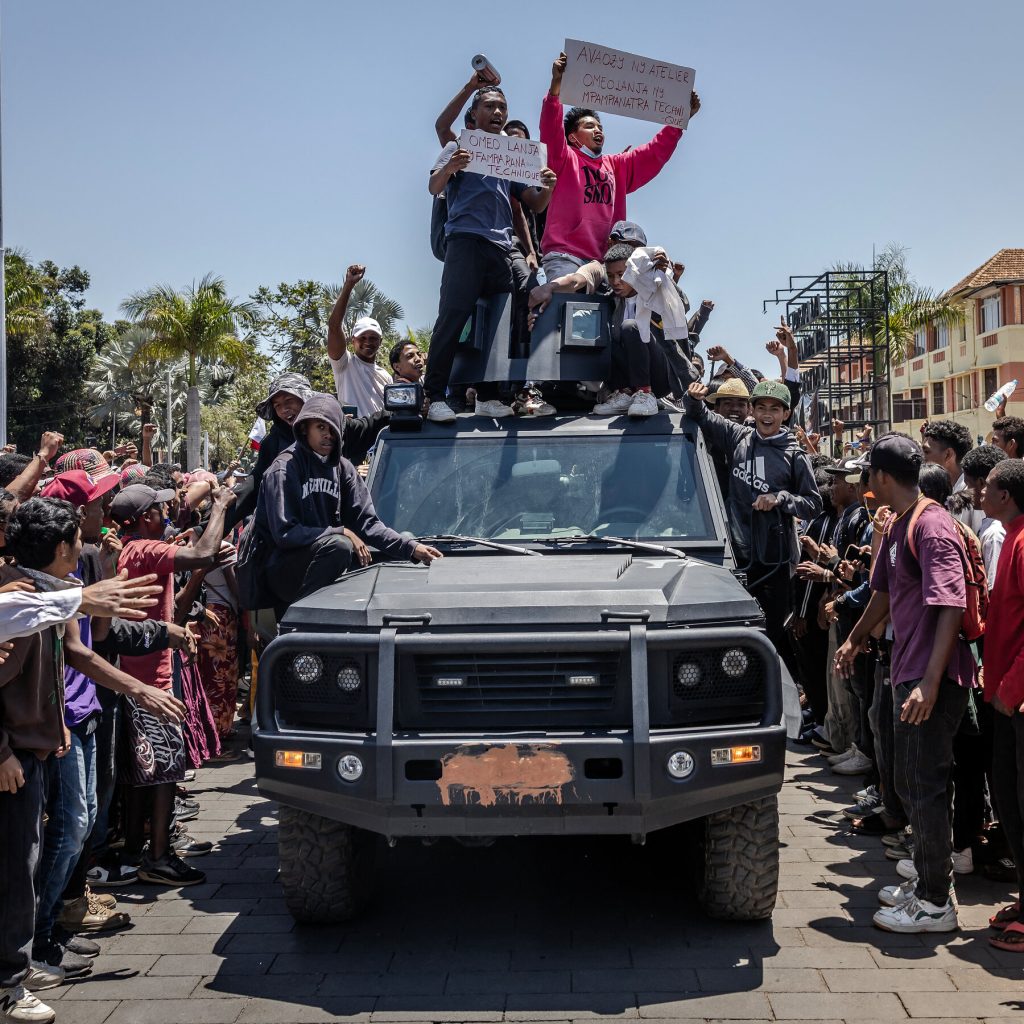
In a dramatic turn of events, Madagascar’s President Andry Rajoelina has been impeached by the country’s parliament, sparking widespread jubilation among opposition supporters. However, in a defiant move, Rajoelina has vowed to remain in office, setting the stage for a potentially explosive confrontation.
The impeachment vote, which took place on Monday, was the culmination of weeks of violent protests against Rajoelina’s government. The demonstrations, which began in January, were sparked by the president’s attempts to push through constitutional reforms that would have strengthened his powers and allowed him to seek re-election. The opposition, which had long accused Rajoelina of authoritarian tendencies, claimed that the reforms were a ploy to consolidate his grip on power.
The protests quickly escalated into violence, with police and government forces clashing with demonstrators. At least 20 people were killed and hundreds injured in the clashes, which saw the deployment of tear gas, live ammunition, and water cannons.
Despite the violence, the opposition remained undeterred, and their efforts ultimately paid off with the impeachment vote. However, Rajoelina has refused to acknowledge the parliament’s decision, instead declaring that he will continue to serve as president.
The international community has been watching the developments in Madagascar with concern. The African Union and the European Union have both called for calm and urged Rajoelina to respect the country’s constitution and the will of the people.
The situation in Madagascar remains volatile, with opposition supporters taking to the streets to celebrate the impeachment vote. Rajoelina’s refusal to step down has raised fears of further violence, and it remains to be seen how the crisis will be resolved. One thing is certain, however: the fate of Madagascar’s democracy hangs in the balance.