Aydın,
1°C
parçalı bulutlu

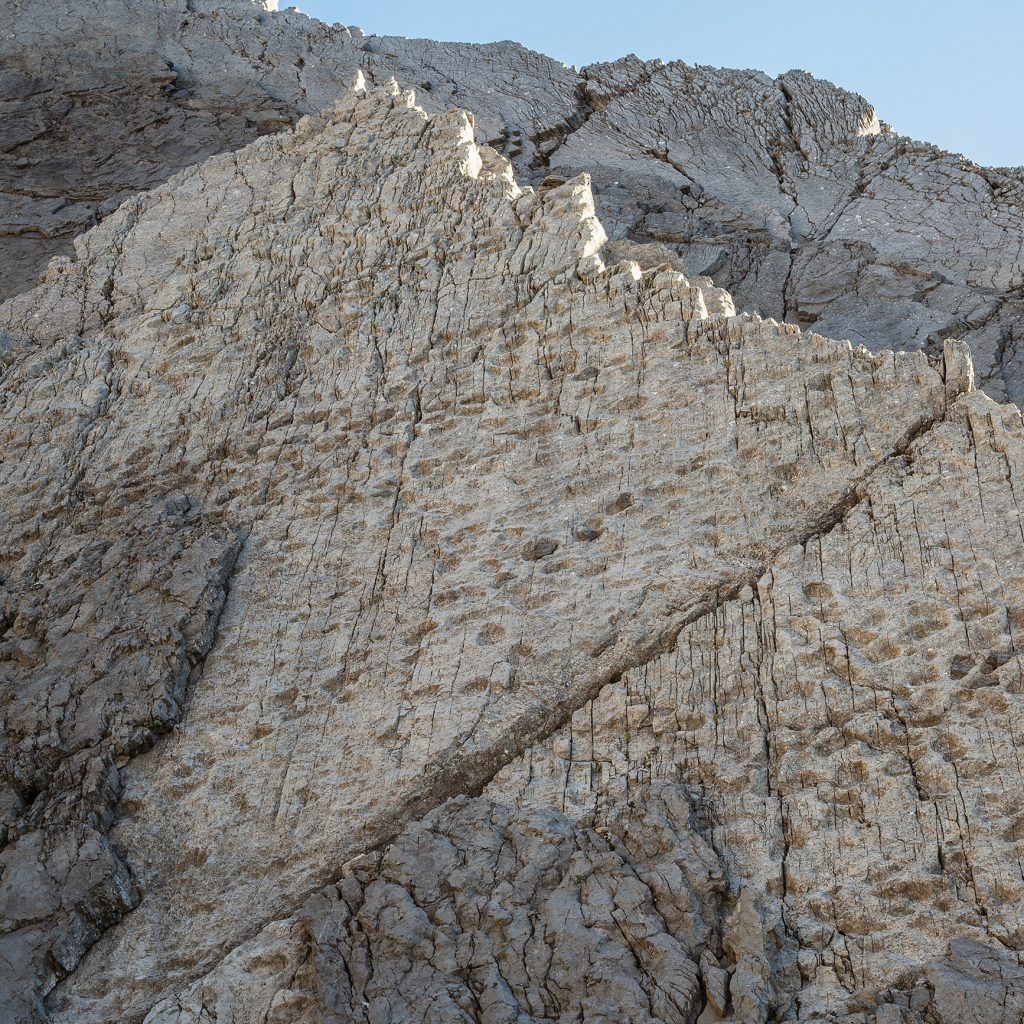
During a recent field expedition in the Dolomiti di Sesto region of northern Italy, paleontologists uncovered a staggering over 2,000 fossilized footprints belonging to early sauropod-like dinosaurs. The tracks, etched into limestone layers that were once riverbeds, date back to the Late Triassic period, roughly 200 million years ago.
The discovery was made by a joint team from the University of Padua and the Italian Geological Survey, who were conducting a routine survey of the mountain’s stratigraphy. While mapping a series of exposed sedimentary beds, researchers noticed a series of elongated depressions that matched the size and shape of known prosauropod tracks.
“At first we thought they might be erosion marks, but the consistent spacing and depth confirmed they were genuine dinosaur footprints,” said Dr. Elena Rossi, the lead scientist on the project.
Analysis of the prints suggests the animals were medium‑sized, walking on a semi‑plantigrade gait. The stride length, averaging about 1.2 meters, indicates a walking speed of roughly 5 km/h. The orientation of the tracks shows that the herd moved in a roughly north‑south direction, possibly following a seasonal water source.
Moreover, the footprints are accompanied by faint claw impressions, a characteristic feature of early prosauropods such as Plateosaurus and Massospondylus. This provides valuable insight into the locomotion and behavior of these long‑lost creatures.
The limestone slab preserving the tracks is exceptionally well‑preserved, thanks to the region’s stable climatic conditions and minimal tectonic disturbance. Researchers plan to create a detailed 3‑D digital model of the site, allowing scientists worldwide to study the footprints without risking damage to the fragile rock.
“This find not only expands our knowledge of dinosaur distribution in Europe, but also offers a rare glimpse into the ecosystems that existed before the rise of the giant sauropods,” added Dr. Rossi.
With more than 2,000 individual prints, this is one of the largest concentrations of Triassic dinosaur footprints ever recorded in the Alps. The site will become a focal point for future studies on early dinosaur migration patterns, paleo‑environmental reconstructions, and the evolutionary transition from small bipedal ancestors to the massive quadrupeds that dominated the Jurassic.