Aydın,
-4°C
açık

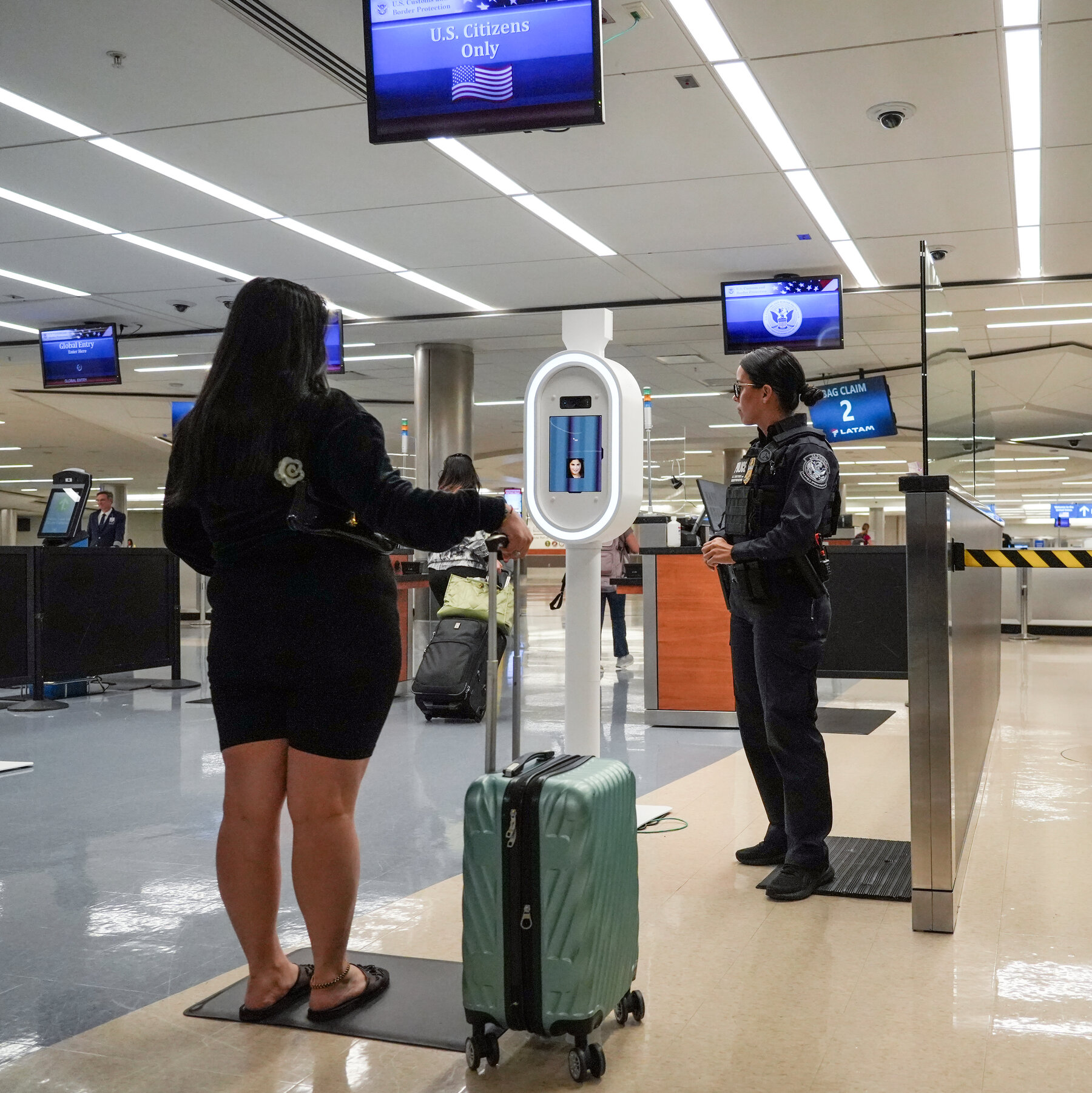
Travelers passing through Orlando International Airport (MCO) may soon experience a smoother, faster check‑in process thanks to an advanced facial‑recognition system currently being piloted at the terminal. The technology captures a passenger’s facial features and matches them against a secure, encrypted database, allowing officials to verify identity without the need to physically present a passport.
Upon arrival at the airport, passengers can opt‑in by scanning their face at a dedicated kiosk or using a mobile app. The system then creates a temporary digital identity token that is linked to the traveler’s airline reservation and government‑issued ID. When the passenger reaches security and boarding gates, high‑resolution cameras perform a rapid “look‑alike” check, confirming the token’s validity in a matter of seconds.
Proponents say the system could:
While the convenience factor is appealing, privacy advocates caution that facial‑recognition data must be handled with strict safeguards. Orlando International has pledged that all biometric information will be encrypted on‑device, stored for no longer than 24 hours, and deleted after the flight is completed. Independent auditors will conduct regular reviews to ensure compliance with GDPR‑like standards and U.S. privacy laws.
If the pilot proves successful, the airline industry could roll out similar systems at major hubs across the United States and Europe within the next two to three years. In the long term, the technology may enable a truly “passport‑free” travel experience, where a simple glance at a camera is all that’s required to board an international flight.