
Aydın,
2°C
parçalı bulutlu

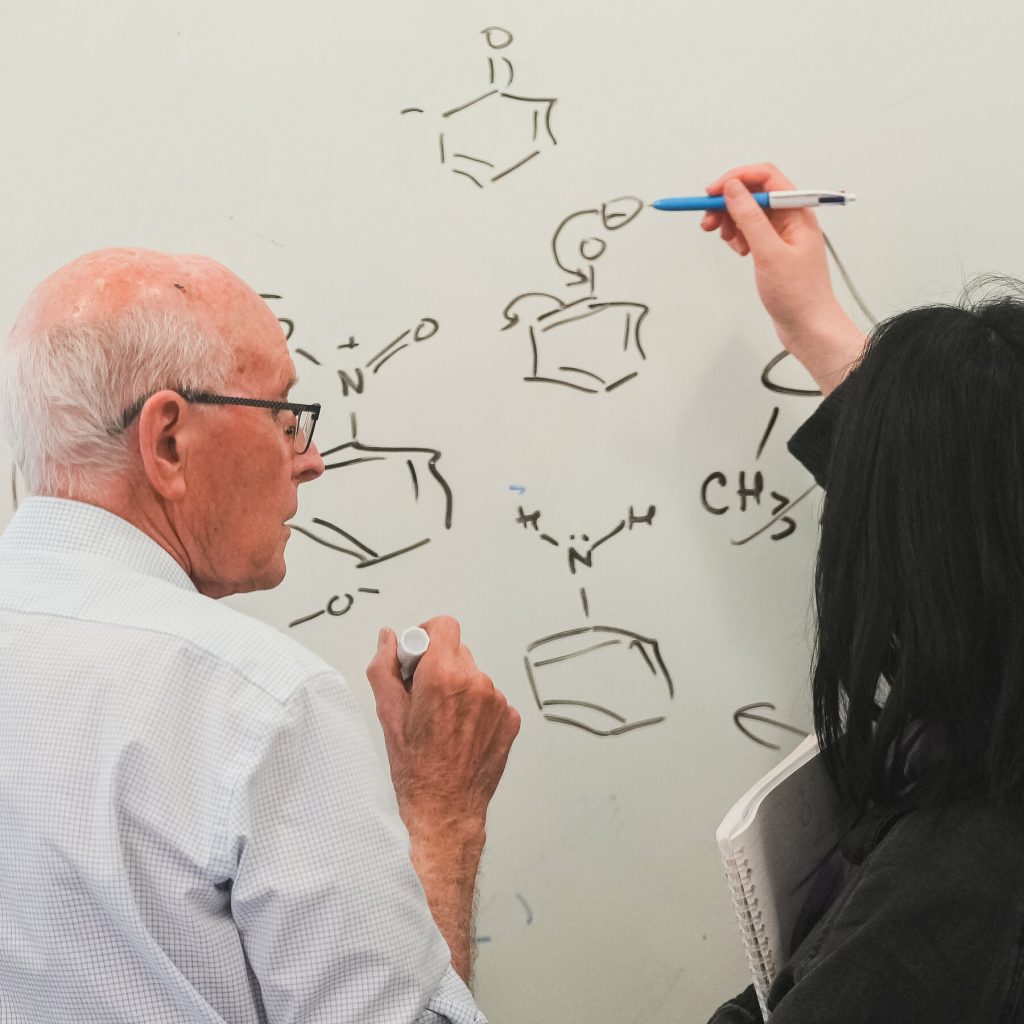
This year’s Nobel Prizes, announced over the past week in the fields of Physiology or Medicine, Physics, and Chemistry, have sent a clear message: slow and steady science wins the day. The laureates were recognized for groundbreaking achievements that were not the result of fleeting flashes of insight or hasty experiments, but rather the culmination of decades of painstaking, fundamental research.
In Physiology or Medicine, the prize went to William G. Kaelin Jr., Peter J. Ratcliffe, and Gregg L. Semenza for their pioneering work on how cells sense and adapt to oxygen levels. Their research, which began in the 1990s, has far-reaching implications for our understanding of diseases such as anemia, cancer, and high-altitude sickness.
The Physics prize was awarded to James Peebles, Michel Mayor, and Didier Queloz for their contributions to our understanding of the universe. Peebles was recognized for his work on the cosmic microwave background radiation, which has helped us grasp the large-scale structure of the universe. Mayor and Queloz were honored for their discovery of the first exoplanet orbiting a nearby star, a finding that has opened up new avenues for research into the possibility of extraterrestrial life.
In Chemistry, the prize was awarded to John B. Goodenough, M. Stanley Whittingham, and Akira Yoshino for their development of the lithium-ion battery, a technology that has revolutionized the way we live and work. Their innovation, which was the result of decades of trial and error, has enabled the widespread adoption of portable electronics and electric vehicles.
The 2019 Nobel Prizes serve as a testament to the power of slow science, which prioritizes rigor, patience, and persistence over speed and flash. In an era where research is often driven by short-term funding cycles and the pressure to publish quickly, these laureates have shown that taking the time to get it right can lead to truly transformative breakthroughs. As the scientific community continues to grapple with complex challenges, the example set by this year’s Nobel laureates is a welcome reminder that sometimes, the best science is slow science.


Bu yılki Nobel Ödülleri, yavaş ve istikrarlı bilimin önemini bir kez daha kanıtladı. Ödül alan bilim adamları, on yıllarca süren araştırmalarının sonuçlarıyla dikkat çektiler.
Nobel Ödülleri, bilimin aceleci ve yüzeysel yaklaşımından ziyade, derinlemesine ve sabırlı yaklaşımını ödüllendiriyor. Bu, bilimsel araştırmalarda doğru yolu izlemeye devam etmemiz gerektiğini hatırlatıyor.
Bu yılki Nobel laureatleri, bilimsel keşiflerin ve inovasyonun yavaş ve kararlı bir şekilde nasıl gerçekleştirilebileceğini gösterdiler. Başarıları, bilimsel topluluğa ilham veriyor.
Nobel Ödülleri, uzun vadeli bilimsel araştırmaların değerini bir kez daha kanıtladı. Ödül alan bilim adamları, sabır ve azimle çalışmanın sonuçlarını gösterdiler.
Bu yılki Nobel Ödülleri, bilimin farklı disiplinlerinde çalışan bilim adamlarının yavaş ve istikrarlı bir şekilde nasıl büyük başarılar elde edebileceklerini gösterdi.
Nobel laureatleri, bilimsel araştırmalarda aceleci davranmanın doğru olmadığını, sabırlı ve kararlı bir şekilde çalışmanın önemini kanıtladılar.
Bu yılki Nobel Ödülleri, bilimsel keşiflerin ve inovasyonun nasıl gerçekleştirilebileceğine dair güzel örnekler sundu. Ödül alan bilim adamlarını tebrik ediyorum.