Aydın,
-4°C
açık

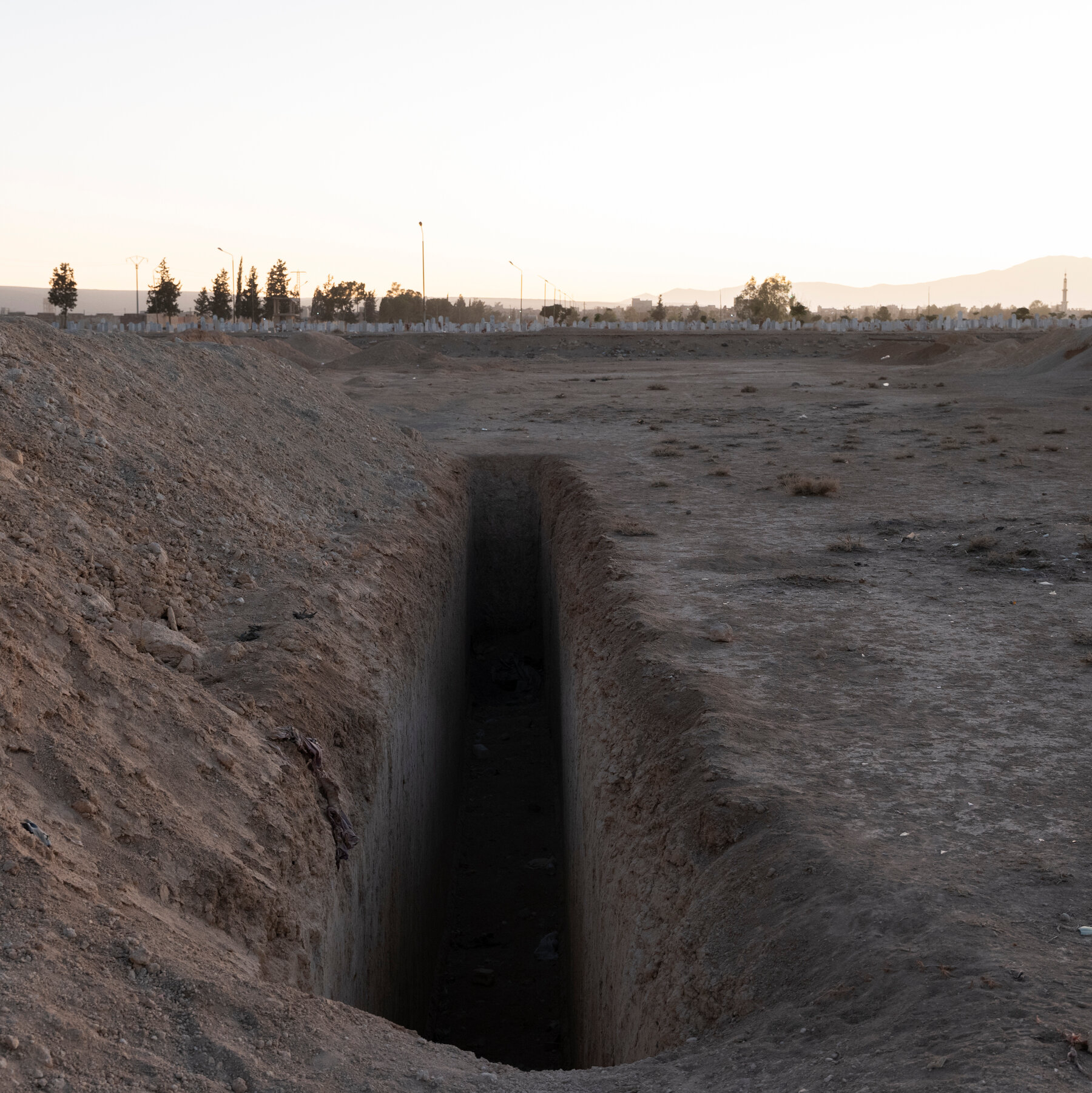
Sixty years ago, Indonesia was torn apart by a wave of anti‑Communist violence that claimed the lives of an estimated half a million people. In the aftermath, countless bodies were buried in unmarked mass graves across the archipelago, many of them never identified.
Today, the island that once echoed with gunfire and grief is celebrated for its sun‑kissed beaches, bustling nightclubs, and luxury resorts. What many tourists see is a postcard‑perfect paradise, yet beneath the palm‑lined promenades lie silent testimonies to a dark chapter of history.
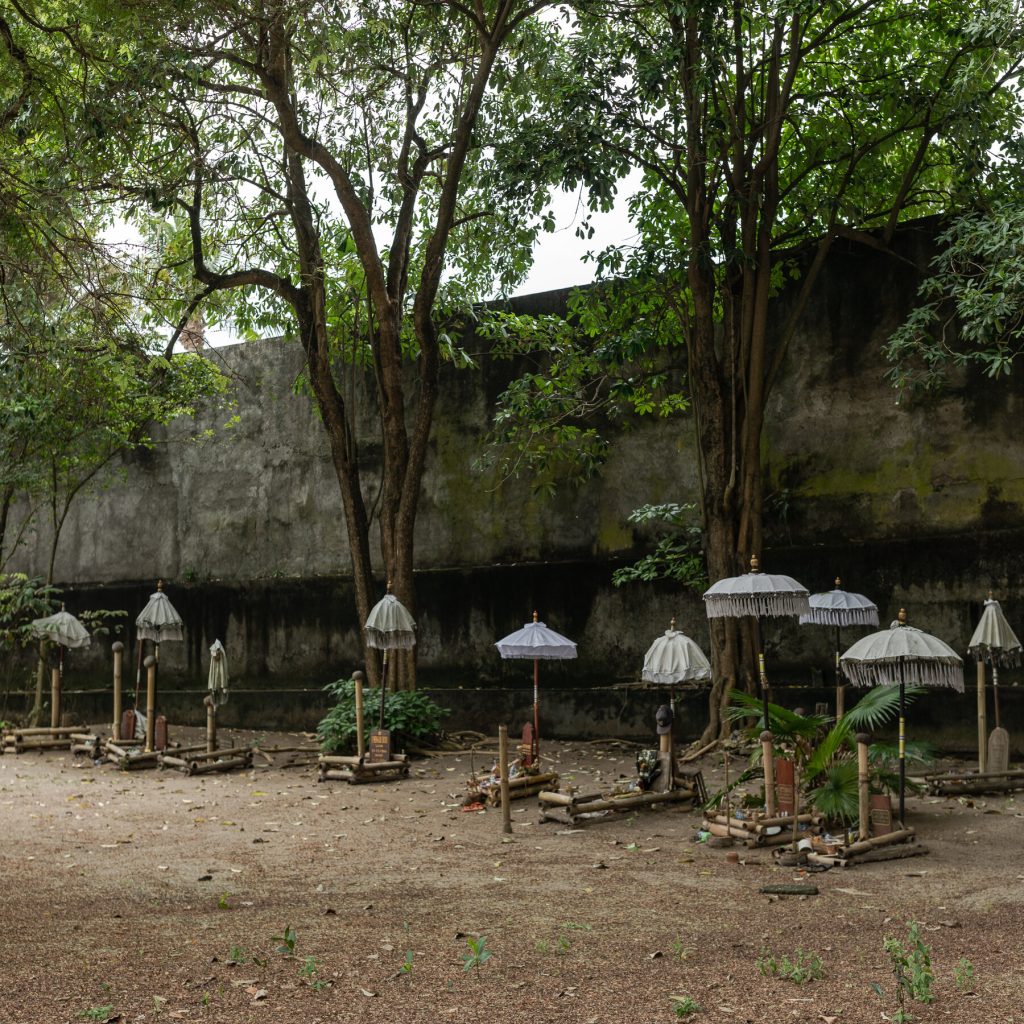
Investigations have revealed that several popular tourist complexes were erected on sites that were once burial grounds for the victims of the purge. In some cases, the very foundations of beachfront villas sit atop former mass graves, their histories obscured by glossy marketing brochures.
Survivors and their descendants still grapple with the trauma of that era. “We walk past the same streets where our families were taken, but the signs of loss have been erased,” says a local elder. Community groups are now urging authorities to acknowledge the past and preserve the memory of those who perished.
As Bali continues to attract millions of visitors each year, the challenge lies in honoring the victims while sustaining the island’s economic lifeline. Some activists propose memorial plaques, guided history tours, and educational programs that could integrate remembrance into the tourist experience without dampening the island’s allure.
While the waves may wash over the same sands where tragedy once unfolded, the stories of those lost deserve to be heard. Recognizing the past does not diminish Bali’s beauty; instead, it adds depth to the narrative of an island that has survived both celebration and sorrow.