Aydın,
3°C
açık

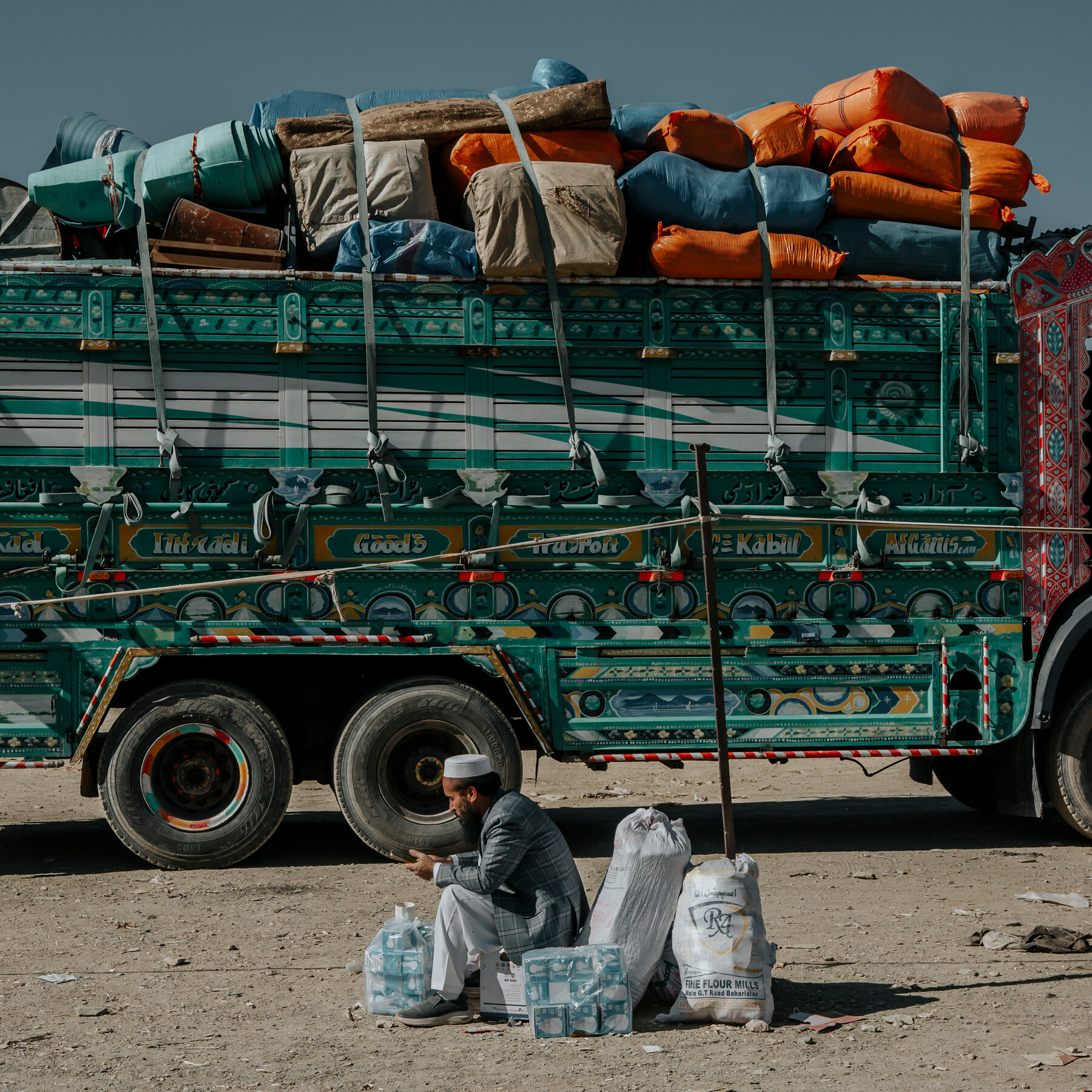
In a sweeping move that has drawn international criticism, the Pakistani government has labeled Afghan refugees as a national security threat and begun a large‑scale expulsion campaign. According to officials, roughly one million Afghans have been forced to leave Pakistan this year alone.
The deportations come as Pakistan grapples with its own internal challenges, including militant activity along the border and strained resources in refugee‑hosting regions. Authorities argue that the influx of newcomers poses a risk to stability, but human‑rights groups warn that the sudden expulsions leave vulnerable families without shelter or basic necessities.
Many of those displaced had fled Afghanistan seeking safety from ongoing conflict and political upheaval. “We have nowhere to go,” one woman, who asked to remain anonymous, told reporters after being escorted to a border checkpoint. “Our children are terrified, and we are forced to abandon the only home we have built in years.”
International organizations have appealed to Islamabad to halt the expulsions and provide adequate protection for those already in the country. The United Nations High Commissioner for Refugees (UNHCR) has called the policy “contrary to humanitarian principles” and urged a swift review.
The mass outflow is expected to place additional pressure on Afghanistan’s already fragile infrastructure, potentially igniting further instability in a region already marked by volatility. Analysts caution that the policy could exacerbate cross‑border tensions and undermine efforts to achieve lasting peace.
While the Pakistani government maintains that the measures are necessary for national security, critics argue that a more balanced approach—combining security checks with humanitarian assistance—would better serve both countries’ long‑term interests.