Aydın,
1°C
parçalı bulutlu

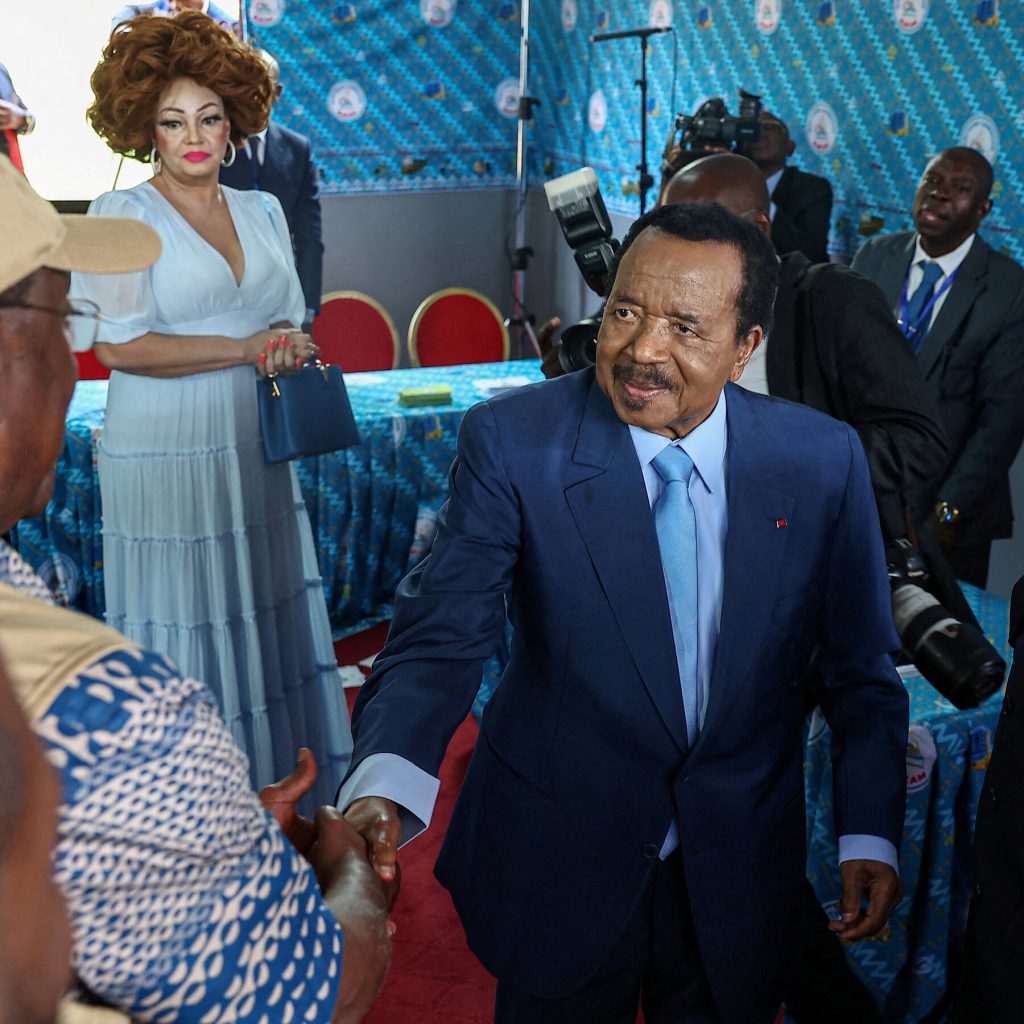
Cameroon’s incumbent President Paul Biya has been declared the winner of the country’s recent presidential election, securing an eighth term in office. According to official election results, Mr. Biya garnered enough votes to extend his rule until 2025, a term that would see him remain in power until he is 99 years old.
At 87 years old, President Biya is one of the oldest heads of state in Africa, a continent known for having many leaders in their 70s and beyond. Despite his advanced age, Mr. Biya has demonstrated his enduring influence and control over Cameroon’s politics, having been in power since 1982.
The election result cements Mr. Biya’s long-standing grip on power, with his supporters crediting him for maintaining stability and overseeing economic growth during his tenure. However, critics argue that his prolonged rule has stifled democratic progress and led to human rights abuses.
As the world’s youngest continent, Africa is home to a significant number of leaders in their 70s and 80s, with some even in their 90s. President Biya’s re-election raises questions about the continent’s democratic trajectory and the trend of elderly leaders holding onto power.