Aydın,
1°C
parçalı bulutlu

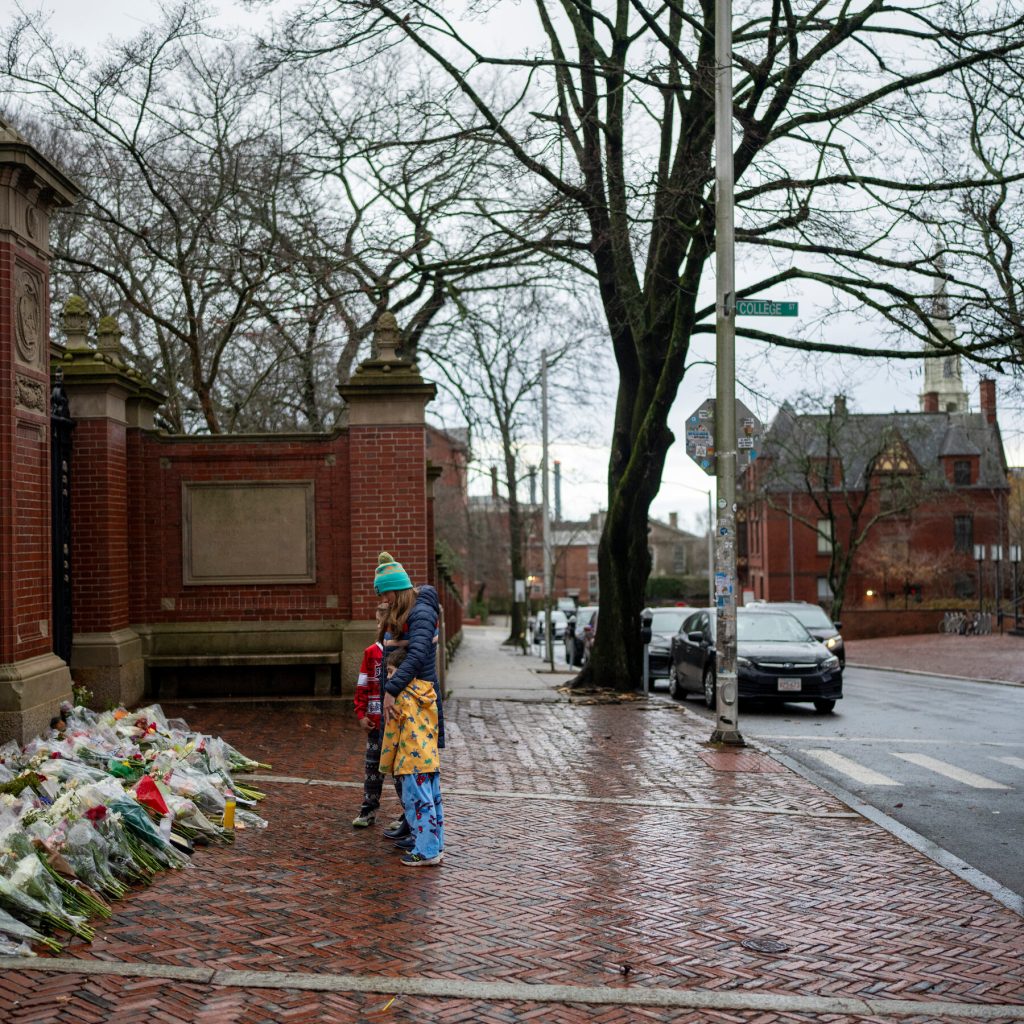
On April 12, 2025, a gunfire incident occurred on the campus of Brown University in Providence, Rhode Island. University officials quickly confirmed that a lone individual opened fire near the Sayles Hall dormitory, injuring three students before being apprehended by campus police. The suspect, a 22‑year‑old former student, was taken into custody without further violence.
Within hours of the shooting, several high‑profile business executives and government officials posted statements on social media that either exaggerated the severity of the attack or introduced unverified claims. Notable examples include:
These statements quickly spread across Twitter, Facebook, and several fringe forums, fueling panic and confusion among students, parents, and the broader public.
Brown University released an official press statement clarifying the facts: the shooter acted alone, no extremist affiliations were identified, and the incident resulted in three non‑fatal injuries. The university also emphasized its ongoing collaboration with local law enforcement to investigate the motive.
Independent fact‑checking organizations, including PolitiFact and Snopes, rated the circulating rumors as “False”, noting that the claims of a coordinated attack and prior warnings were unsupported by any credible evidence.
The rapid amplification of misinformation by influential figures has reignited a national debate about the responsibilities of public personalities on digital platforms. Critics argue that when leaders share unverified information, they lend credibility to rumors that can exacerbate fear and hinder official response efforts.
Legal scholars point out that, while the First Amendment protects free speech, there may be a need for clearer guidelines or voluntary standards that encourage fact‑based communication during crises.
Brown University has announced plans to host a series of town‑hall meetings aimed at addressing community concerns and improving transparency in emergency communications. Meanwhile, social‑media companies have pledged to review their content‑moderation policies to better identify and limit the spread of false narratives in real‑time emergencies.
As the investigation continues, authorities urge the public to rely on verified sources and to refrain from sharing speculative or sensationalized claims that could further destabilize the situation.