Aydın,
-4°C
açık

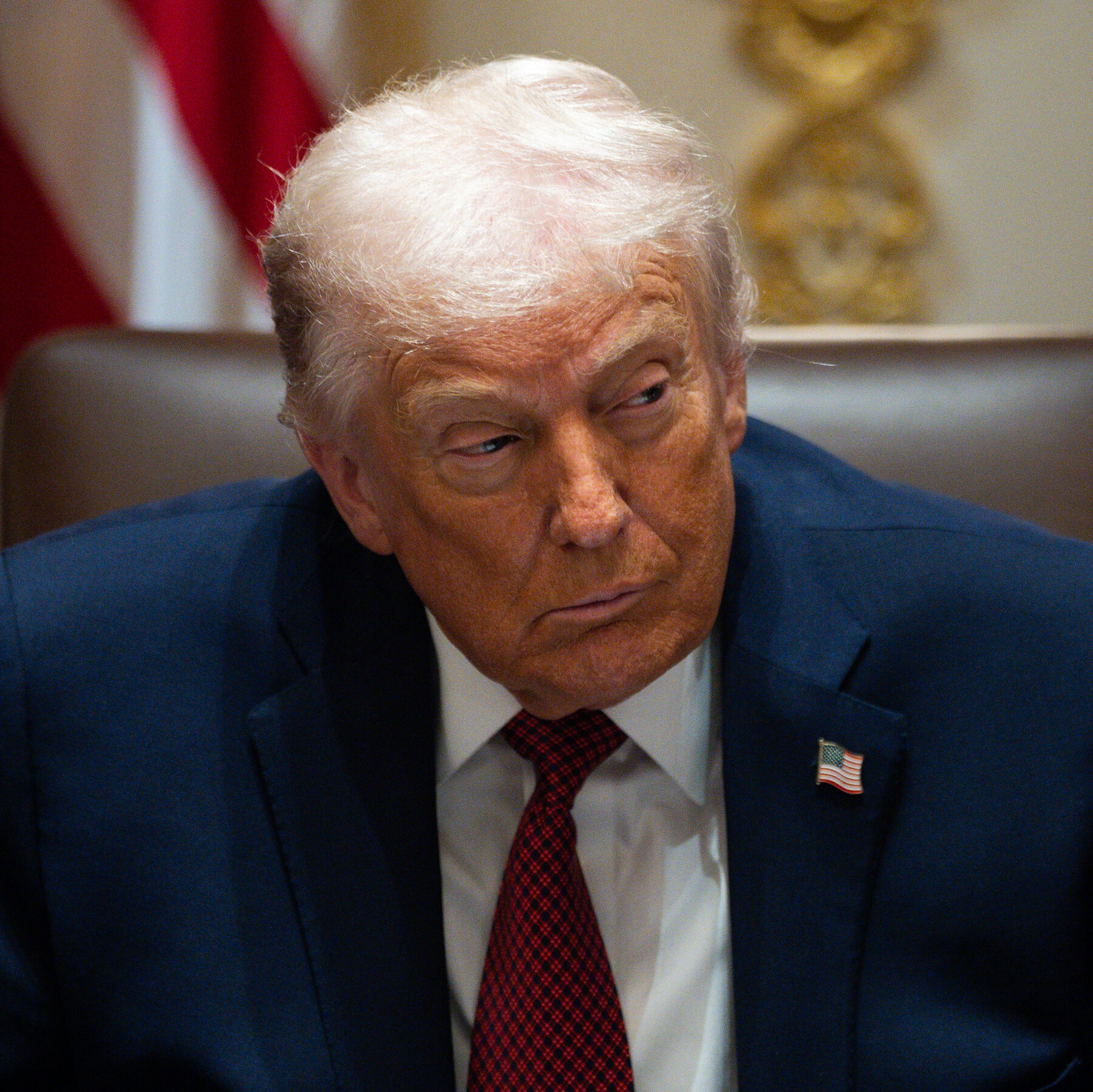
The Federal Reserve’s upcoming leadership transition is more than a routine change‑over; it is a pivotal moment that could reshape U.S. monetary policy for years to come. With Jerome Powell set to finish his term as chair, the spotlight turns to the candidates who might succeed him and the political forces eager to influence the selection.
President Donald Trump views the vacancy as his most significant chance to leave a lasting imprint on the central bank. Throughout his presidency, Trump has repeatedly voiced criticism of the Fed’s “over‑tight” stance and has hinted at appointing a “pro‑growth” chairman who would prioritize lower rates and a stronger dollar.
In a recent interview, Trump said, “If we get the right person, we can finally get the Fed to work for the American people, not just the markets.” This rhetoric has intensified the already heated debate among policymakers, economists, and market participants.
Several names have surfaced as frontrunners, each representing a different philosophy:
All three have expressed respect for the Fed’s independence, yet their policy inclinations could lead to markedly different paths for the economy.
The uncertainty surrounding the appointment has already reverberated through financial markets. Treasury yields have jittered, and the U.S. dollar index has swung between strength and weakness as investors weigh the likelihood of a more dovish chair versus a continuation of Powell’s moderate tightening.
Analysts warn that any perception of political interference could undermine confidence in the Fed’s credibility, potentially fueling volatility in stock and bond markets.
As the Fed’s December policy meeting approaches, the “rate decision” will be closely scrutinized for clues about the future chair’s stance. If the new leader leans toward easing, we might see a pause or even a reversal of recent hikes. Conversely, a continuation of Powell’s trajectory could signal a commitment to battling inflation despite political pressure.
Regardless of who ultimately takes the helm, the race to replace Powell underscores a broader narrative: the delicate balance between central‑bank independence and political ambition. The outcome will not only shape monetary policy but also define the Fed’s role in the evolving American economy.