Aydın,
1°C
parçalı bulutlu

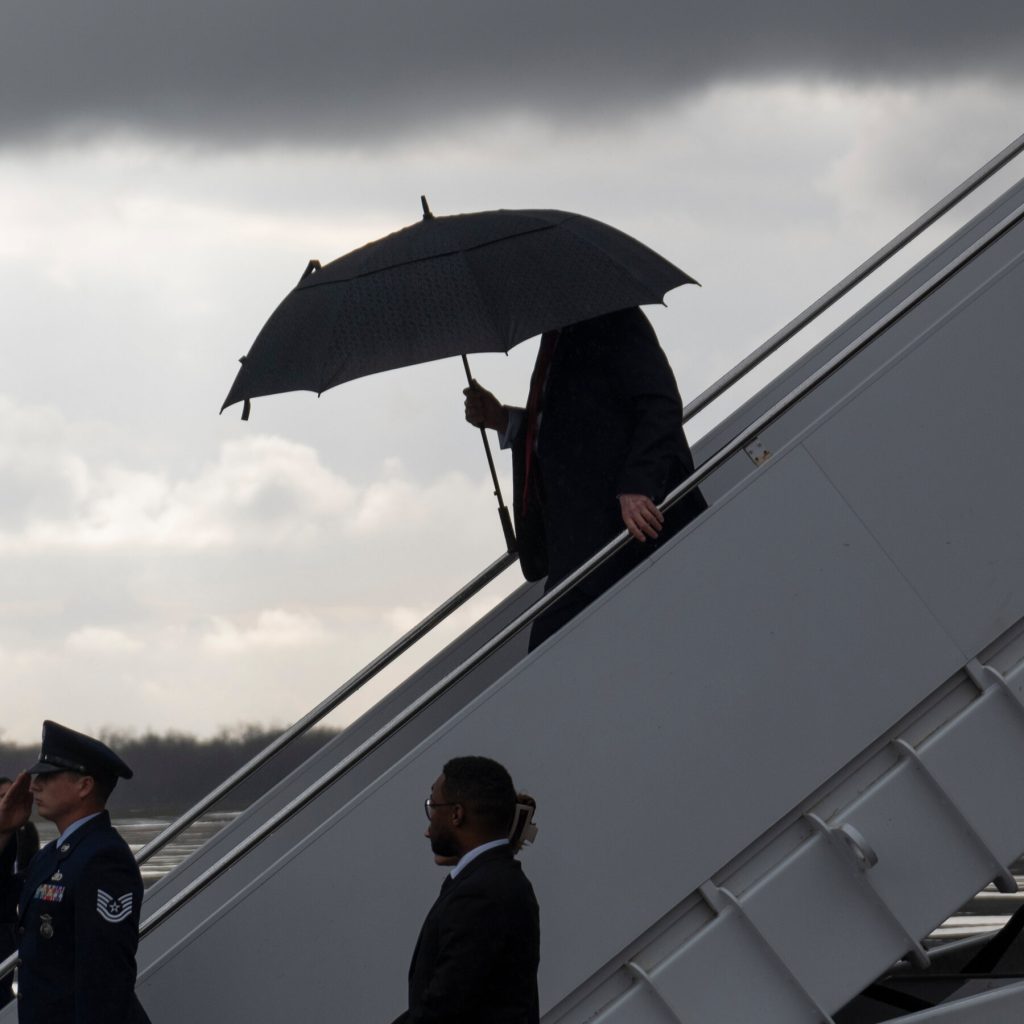
Over the last twelve months, the current administration has embarked on an unprecedented campaign to pull the United States out of its historic role in climate and environmental research, diplomacy, regulation, and investment.
Federal funding for climate‑related studies has been slashed, with several key research programs discontinued or left without renewal. Universities and agencies that once relied on steady government support now face uncertainty and budget shortfalls.
International climate negotiations have been largely ignored, and the United States has withdrawn from multiple collaborative agreements. This shift has left allies questioning the nation’s commitment to global emissions targets.
Environmental regulations that once set strict limits on greenhouse‑gas emissions have been weakened or repealed outright. The administration argues that these moves promote “economic freedom,” but critics warn they will accelerate the nation’s carbon footprint.
Public incentives for renewable energy projects, electric‑vehicle infrastructure, and clean‑tech innovation have been dramatically reduced. Private investors, once buoyed by stable policy signals, now face a more volatile market.
As the country moves forward, policymakers, scientists, and activists alike are grappling with the long‑term consequences of these decisions. Restoring the United States’ position in the global climate arena will require substantial legislative effort and a renewed public commitment to sustainability.