
Aydın,
1°C
parçalı bulutlu

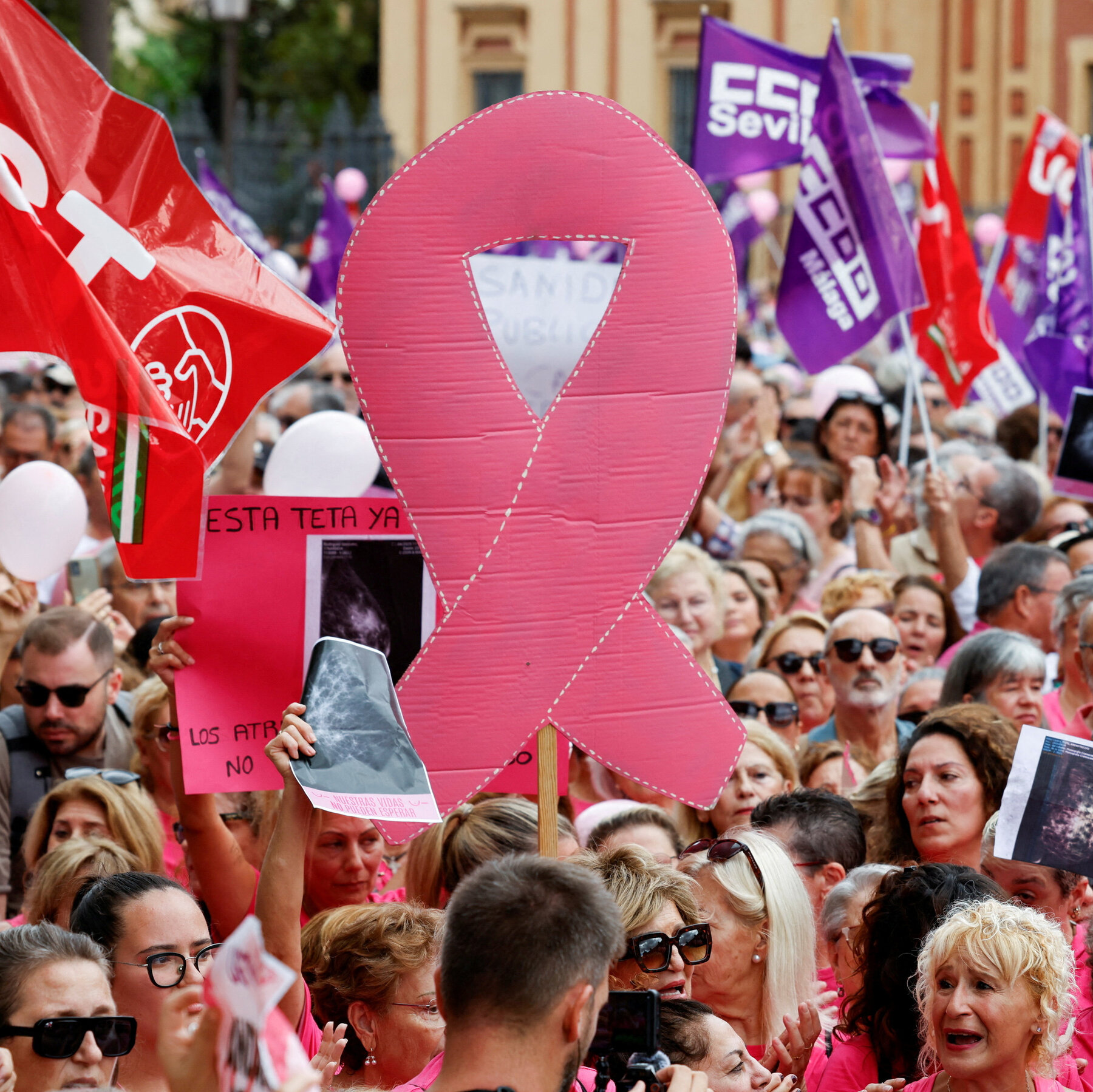
A comprehensive analysis involving more than 45,000 women demonstrated that customizing breast‑cancer screening to an individual’s risk level is just as successful at detecting tumors as the conventional yearly mammogram schedule recommended for all women over the age of 40.
Researchers divided participants into two groups. One group received the standard annual mammogram, while the other underwent a risk‑adjusted protocol, which varied the frequency and type of imaging based on factors such as family history, genetic markers, breast density, and previous biopsies.
Both cohorts identified a comparable number of cancers, with detection rates of approximately 7.2 per 1,000 screened women in each arm. Moreover, the risk‑based group experienced fewer false‑positive results and reduced exposure to radiation, owing to fewer unnecessary screens.
The results suggest that health systems could safely shift from a “one‑size‑fits‑all” model to a more personalized strategy, potentially lowering costs and minimizing the anxiety associated with over‑screening.
Dr. Emily Hartwell, an oncologist not involved in the research, noted, “This study provides robust evidence that we can maintain cancer‑detection performance while tailoring screening to each woman’s risk profile. It’s a win‑win for patients and providers alike.”
Women should discuss their personal risk factors with their healthcare providers to determine whether a risk‑based schedule might be appropriate for them. The shift does not eliminate the need for regular screening; it simply aligns the timing and method of screening more closely with individual risk.
The research team plans to evaluate long‑term outcomes, such as survival rates and quality of life, to further validate the benefits of a risk‑adapted approach.







Bu haber çok umut verici. Kanser taramalarının daha kişiselleştirilmiş bir yaklaşım sunması gerçekten harika. Umarım bu yöntem daha yaygın hale gelir.