Aydın,
1°C
parçalı bulutlu

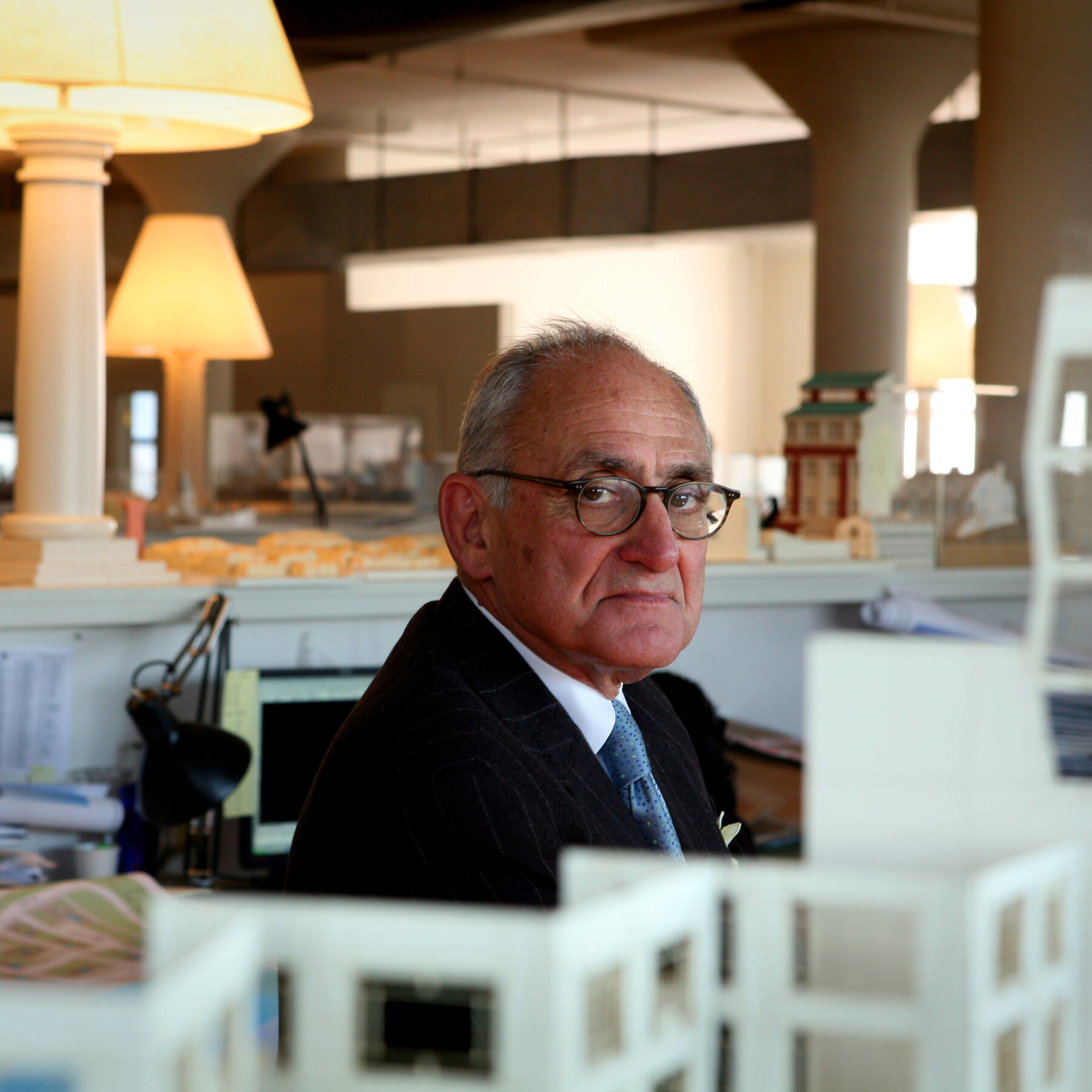
Robert A.M. Stern, a prolific American architect whose career spanned more than six decades, passed away at the age of 86. Known for his masterful blend of historic reference and contemporary functionality, Stern left an indelible mark on the built environment of the United States.
Before becoming a household name in luxury residential design, Stern earned a reputation for designing cultural and educational buildings. His portfolio includes the Whitney Museum of American Art in New York, the George Washington University’s Gelman Library, and the University of Virginia’s McIntire School of Commerce. These projects showcased his ability to reinterpret classical motifs while meeting modern programmatic demands.
In the early 2000s, Stern shifted his focus to high‑end residential architecture. The culmination of this transition was 15 Central Park West, a 19‑story tower on Manhattan’s Upper West Side. Lauded as a “rebirth of the luxury apartment building,” the development combined limestone façades, proportioned windows, and a disciplined rhythm reminiscent of pre‑war Manhattan towers. The building attracted a roster of celebrity residents and set a new standard for upscale urban living.
Beyond his built works, Stern served as dean of the Yale School of Architecture, shaping generations of architects with his emphasis on contextual design and craftsmanship. His writings and lectures advocated for a thoughtful dialogue between history and innovation, a philosophy that continues to inspire practitioners worldwide.
Even in his later years, Stern remained active, consulting on projects that sought to honor architectural tradition while embracing modern needs. His death marks the loss of a visionary who consistently demonstrated that reverence for the past can coexist with forward‑looking design.