Aydın,
-4°C
açık

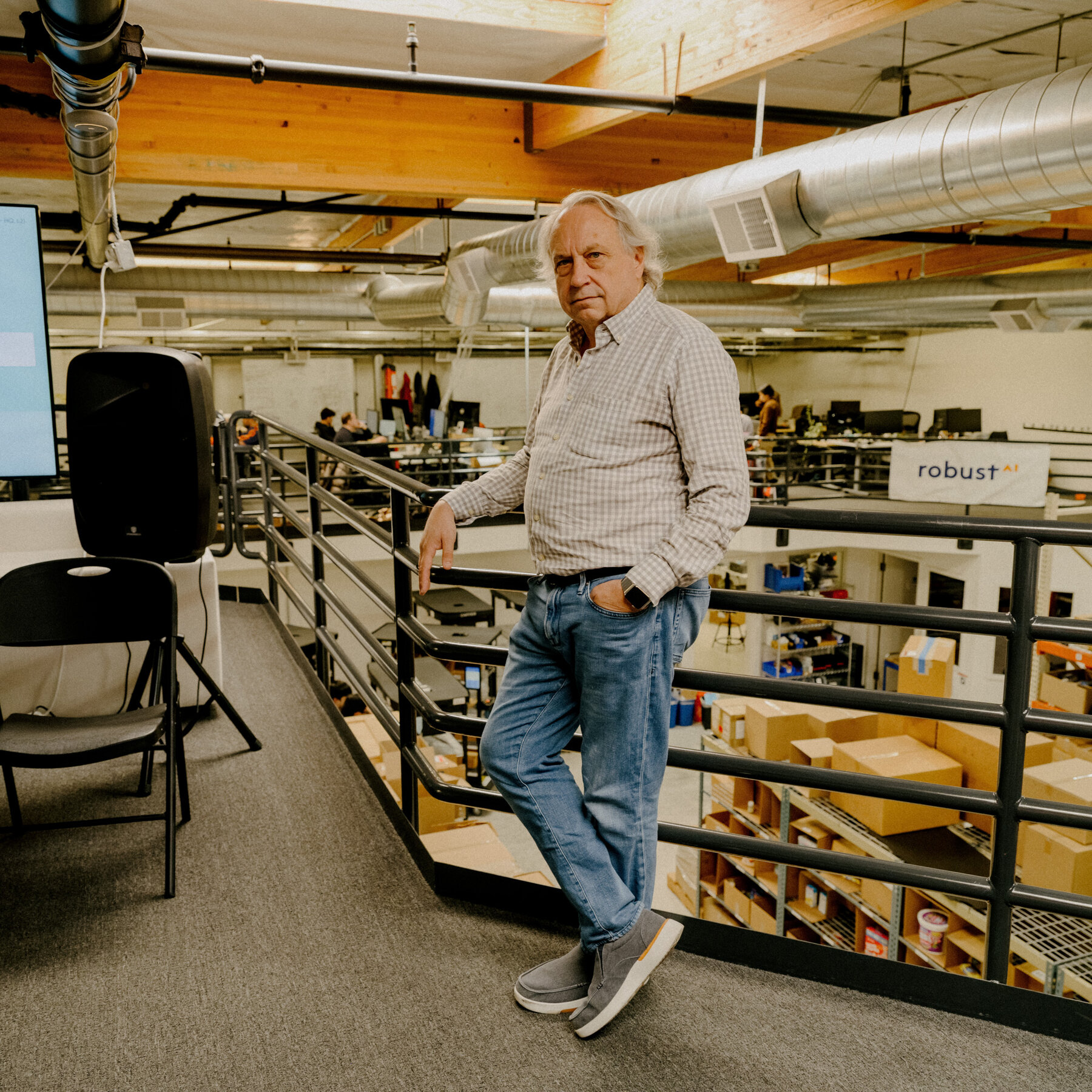
Rodney Brooks, the Australian-born roboticist who co‑founded iRobot and helped bring the household Roomba to market, has taken a fresh stance on the direction of contemporary robotics. In a recent interview, the 78‑year‑old pioneer argued that the current obsession with humanoid robots in Silicon Valley is fundamentally flawed and unlikely to deliver practical outcomes.
Over the past decade, venture capital has poured billions into startups promising sleek, bipedal machines that can walk, talk, and mimic human gestures. Companies such as Boston Dynamics, Agility Robotics, and a host of newer entrants have showcased prototypes that capture the imagination of investors and media alike.
Despite the impressive engineering feats, Brooks contends that the market’s enthusiasm is outpacing genuine utility. “People love the idea of a robot that looks like us, but they overlook the massive engineering, safety, and cost challenges that come with building a truly functional humanoid,” he said.
According to Brooks, the field has drifted away from the practical problems that originally defined robotics: enabling machines to perform useful tasks in real‑world environments. He emphasizes three key points:
The statement sparked a lively debate among tech leaders. Elon Musk responded on Twitter, acknowledging the criticism but defending the long‑term vision: “Humanoid robots may look like sci‑fi now, but they could become the universal platform for future AI.” Meanwhile, venture capitalists such as Marc Andreessen argued that “high‑risk bets are essential for breakthrough innovation, even if the payoff is years away.”
Brooks suggests a pivot back to “embodied intelligence” that prioritizes capability over appearance. He cites successful examples like autonomous delivery drones, robotic arms in factories, and low‑cost service bots that navigate homes without looking human.
He also calls for a renewed focus on interdisciplinary research—combining mechanical engineering, computer vision, and cognitive science—to create robots that can adapt to unpredictable environments without relying on a humanoid chassis.
While the allure of humanoid robots continues to capture headlines, Rodney Brooks’ seasoned perspective reminds the industry that practicality, affordability, and safety must drive the next wave of robotic innovation. Whether investors will heed his warning or press on with the dream of human‑like machines remains to be seen.