Aydın,
1°C
parçalı bulutlu

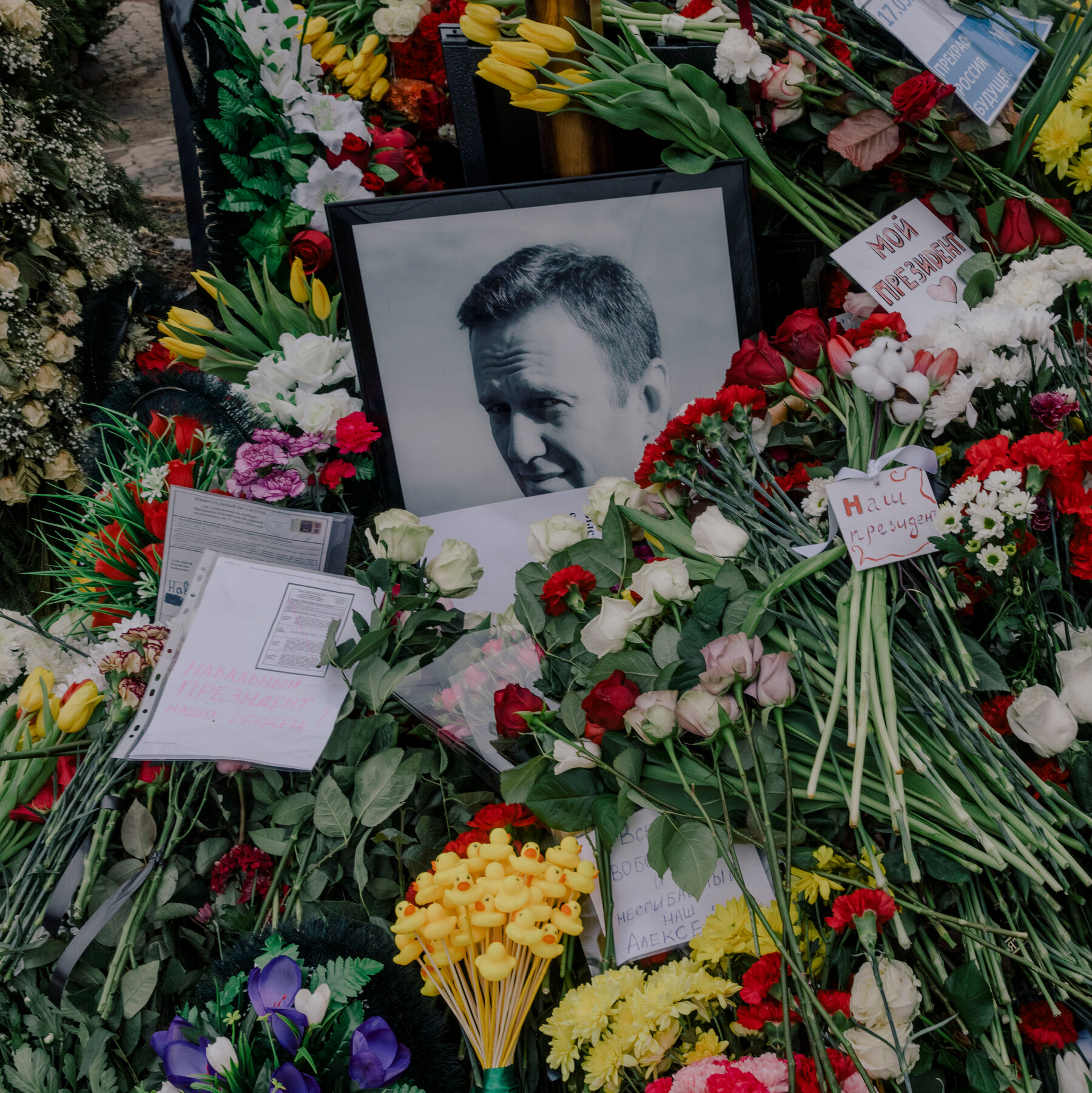
Since the 2011 emergence of the Anti‑Corruption Foundation (ACF), the group led by opposition figure Alexei Navalny has been a thorn in the side of the Kremlin. The organization’s investigative reports exposed alleged embezzlement and illicit wealth among high‑ranking officials, prompting both public outrage and an increasingly harsh response from the state.
Navalny’s death in a Russian prison last year intensified the government’s campaign against his network. Authorities have launched a series of legal actions, culminating in a decree that officially classifies the ACF as a “terrorist organization.” The ruling grants security forces broad powers to arrest members, freeze assets, and shut down any affiliated media outlets.
In the official statement, the Ministry of Internal Affairs argued that the ACF “engaged in activities aimed at destabilising the Russian Federation, inciting violent unrest, and receiving foreign funding to undermine national security.” The decree references several criminal cases filed against former ACF staff, alleging fraud, money‑laundering, and “extremist propaganda.”
Human‑rights organisations and Western governments have condemned the move as a further erosion of civil liberties. Amnesty International described the designation as “a politically motivated weapon used to silence dissent.” The European Union announced additional sanctions targeting officials responsible for the decree, while the United Nations called for an independent investigation into the circumstances surrounding Navalny’s death.
The terrorist label threatens to cripple the remaining infrastructure of the anti‑corruption movement. “Any association with the ACF now carries the risk of severe criminal prosecution,” warned a senior Russian lawyer who asked to remain anonymous. Activists fear that the ruling will set a precedent for branding a wide range of NGOs and independent journalists as terrorist entities, effectively choking off dissenting voices.
Legal experts anticipate a series of appeals to Russia’s Constitutional Court, though past attempts to overturn similar designations have rarely succeeded. Meanwhile, former ACF members are reportedly regrouping under new, less conspicuous names to continue their investigative work, albeit under the constant threat of surveillance and arrest.