Aydın,
-4°C
açık

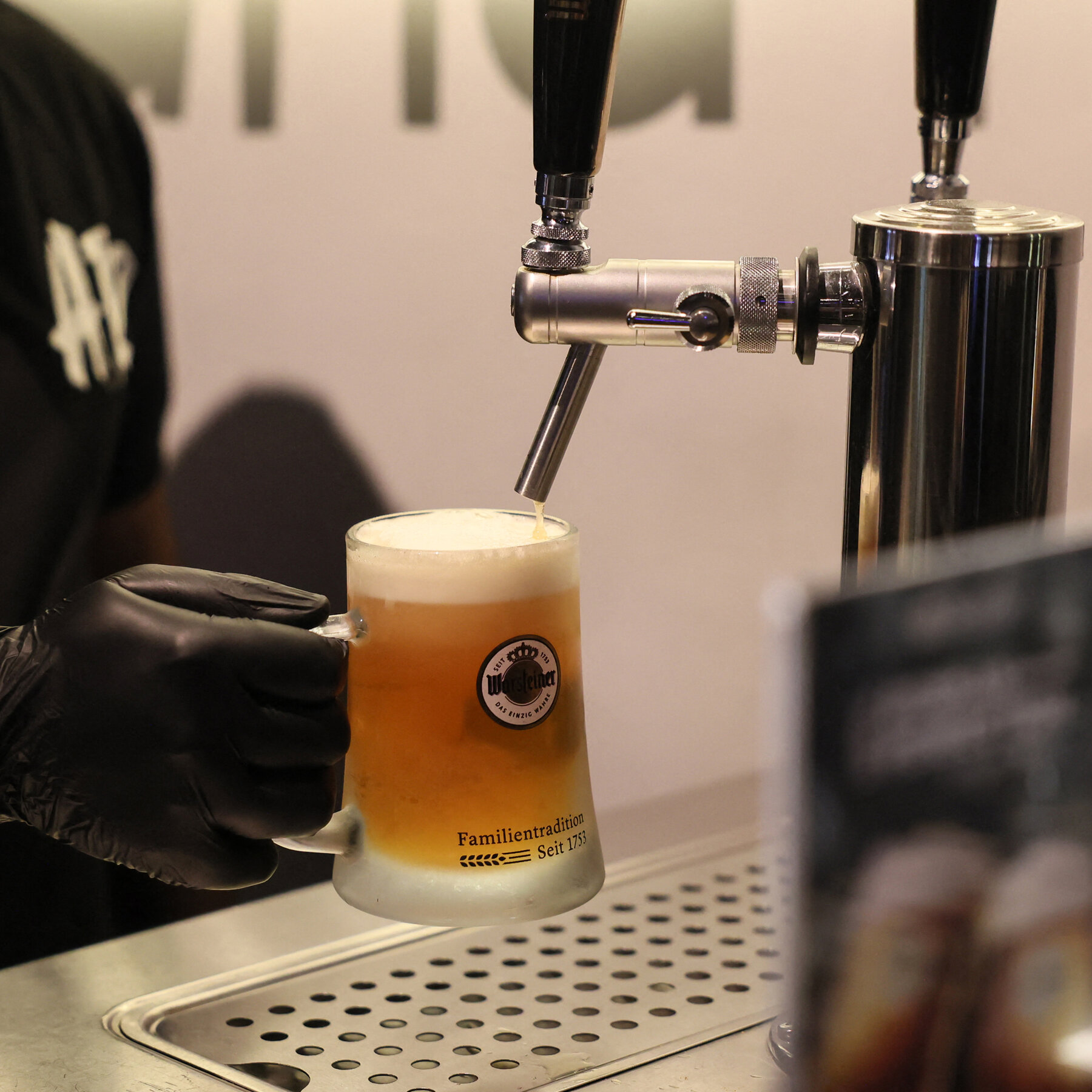
Riyadh, 6 December 2025 – In a move that has caught the attention of both regional observers and international investors, Saudi Arabia has unveiled a pilot program that will permit the sale of alcoholic beverages in select venues, but only to individuals who meet specific wealth criteria.
The decision follows years of quiet deliberation within the kingdom’s leadership, where major social reforms have often been introduced with minimal public fanfare. While the country has already eased restrictions on entertainment and women’s participation in the workforce, the introduction of alcohol marks a notable departure from its traditionally strict interpretation of Islamic law.
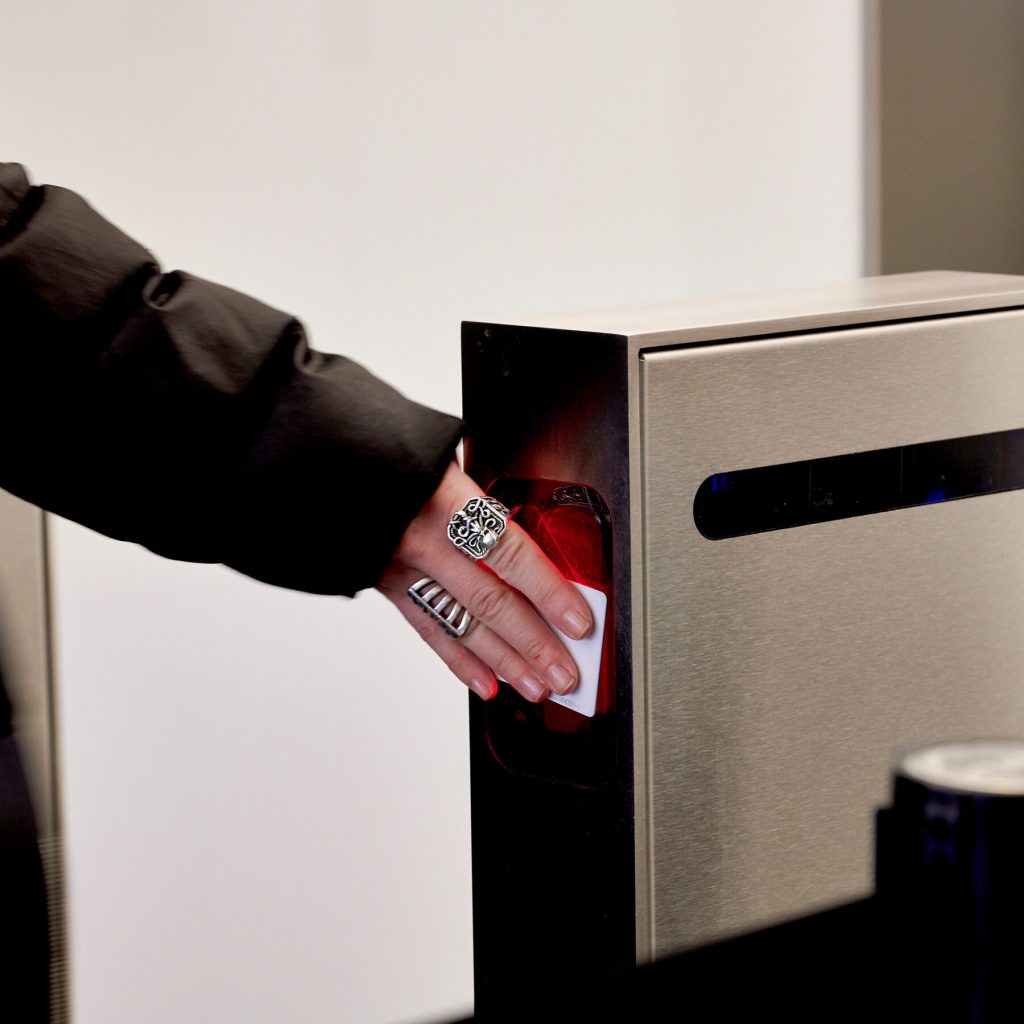
Under the pilot scheme, alcohol will be available in high‑end hotels, exclusive clubs, and designated retail outlets located in the major economic zones of Riyadh, Jeddah, and the newly‑established NEOM city. To qualify, customers must:
All purchases will be recorded through a state‑controlled digital platform to ensure compliance with the new regulations.
Officials say the limited rollout is designed to diversify the economy and attract high‑net‑worth expatriates and tourists, aligning with Vision 2030’s broader objectives. The Ministry of Commerce highlighted that the controlled sale of alcohol could generate an estimated SR 5 billion in additional revenue over the next five years.
“We are carefully balancing cultural values with the economic realities of a globalized market,” said Minister of Investment Khalid Al‑Fahad during a press conference. “This pilot will allow us to assess demand while maintaining strict oversight.”
The announcement has sparked a mixed response across Saudi society. Some citizens view the move as a pragmatic step toward modernisation, while others, including prominent religious scholars, have expressed concern over potential erosion of Islamic principles.
Sheikh Abdulrahman Al‑Saeed, a leading cleric, warned that “any relaxation of prohibitions must not undermine the moral fabric that has guided our nation for centuries.” Conversely, business leaders such as Fatima Al‑Mansour, CEO of a multinational hospitality group, praised the policy as “a necessary evolution to keep Saudi Arabia competitive on the world stage.”
The pilot program is set to commence on 1 March 2026 and will run for an initial period of two years. Authorities have pledged regular reviews and the possibility of expanding the scheme if it proves successful and socially acceptable.
For now, the kingdom’s approach to this sensitive issue remains characteristic of its broader strategy: a measured, often opaque, transition that balances tradition with ambition.