Aydın,
16°C
kapalı

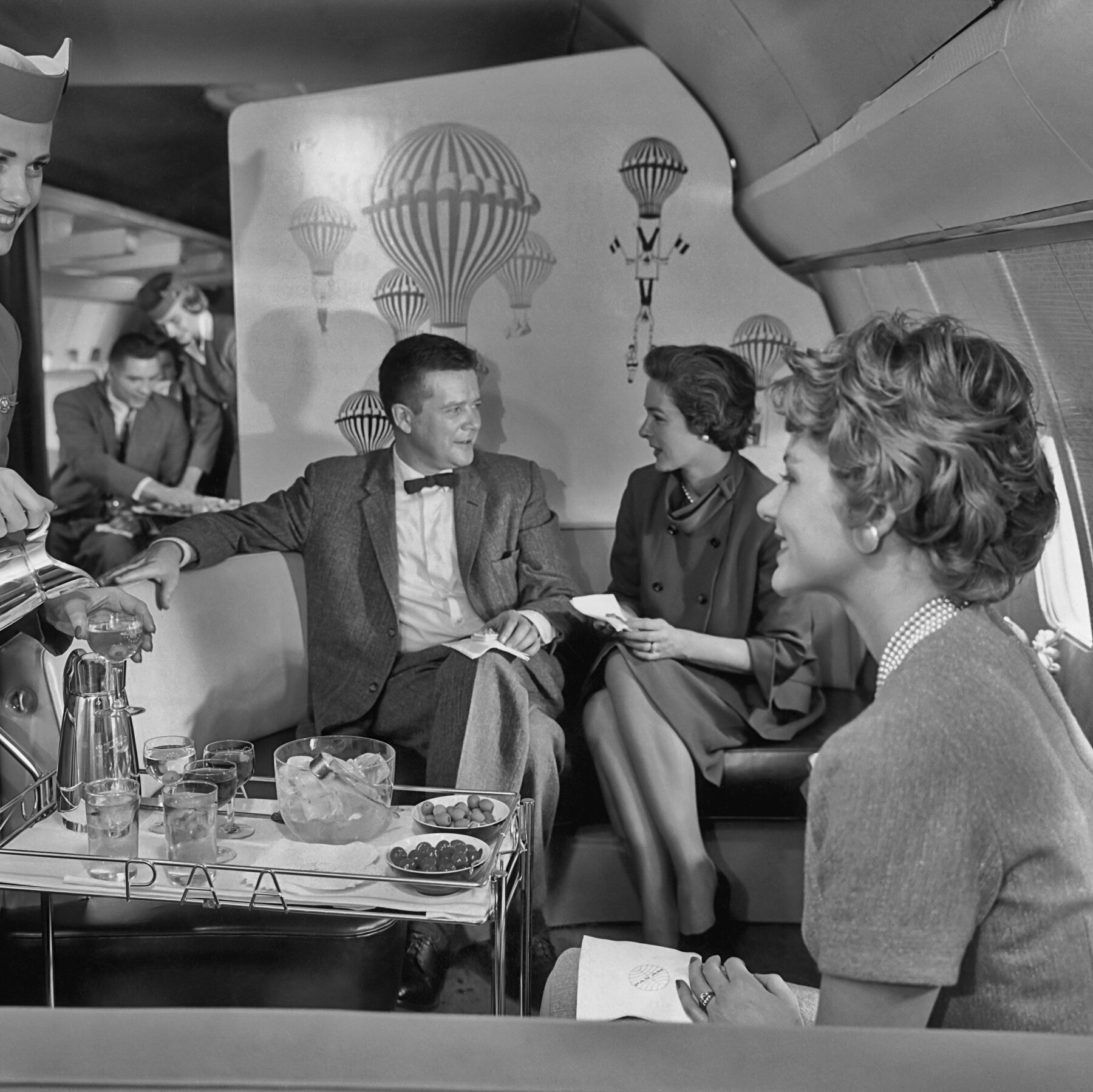
In a recent interview, former congressman Sean Duffy reminisced about the era when flying felt more like a first‑class social event than a hurried commute. He painted a vivid picture of the 1950s and 1960s, a time when airline cabins resembled polished hotel lounges.
Back then, passengers—always impeccably dressed and armed with flawless manners—could expect hot meals served on fine china. The menus featured classic dishes such as roast beef, baked potatoes, and fresh fruit, each presented with a flourish that would make a five‑star restaurant jealous.
Space was another hallmark of the period. Seats were spaced far enough apart to allow a full stretch of the legs, and the aisles were wide enough for a graceful promenade. “It felt like we were traveling in a private club rather than a crowded aircraft,” Duffy recalled.
Airlines competed to offer unique amenities. Some flights even featured a small piano bar where a live pianist would play soft jazz, providing a soothing soundtrack to the clouds. Passengers could sip a cocktail, chat with fellow travelers, and enjoy a level of personal interaction that is rare today.
Comfort extended beyond the seat. Instead of thin plastic blankets, flight attendants draped passengers in soft wool blankets, adding a touch of warmth and luxury to the high‑altitude experience.
Today’s airlines prioritize efficiency and cost‑effectiveness, often at the expense of the indulgent touches that defined the “golden days.” While modern technology has made travel faster and safer, the nostalgia for an era when a flight felt like a celebration remains strong among those who lived it.
As Duffy concluded, “We may have traded silk scarves for Wi‑Fi, but the memory of those refined skies still lingers in the hearts of many.”