Aydın,
1°C
parçalı bulutlu

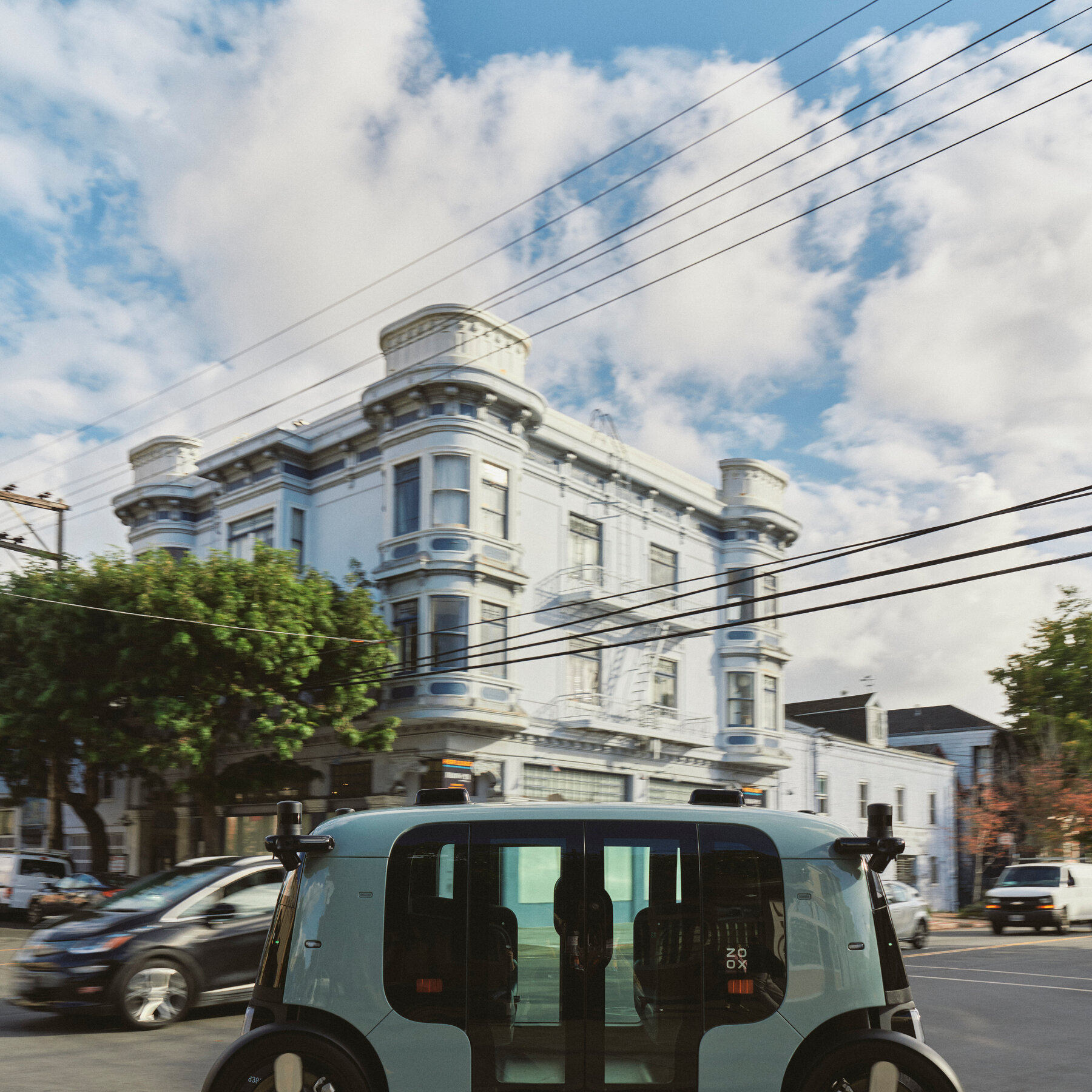
Amazon’s Zoox robot‑taxi has rolled out its first fleet in San Francisco, positioning itself as a direct challenger to Waymo’s established autonomous‑vehicle service. The sleek, compact pods cruise the city’s busy corridors, offering riders a glimpse of what a driver‑less future could look like.
The arrival of multiple players in the market signals a shift from experimental trials to everyday transportation. With major tech giants and automotive firms investing heavily, autonomous ride‑sharing is moving from novelty to a viable alternative for commuters.
Convenience: Passengers can summon a vehicle with a tap, eliminating the need to hunt for parking or wait for a traditional cab.
Safety: Advanced sensor suites and AI decision‑making aim to reduce human error, which is responsible for the majority of traffic accidents.
Environmental Impact: Fleet‑wide electric operation promises lower emissions compared with conventional gasoline‑powered taxis.
Job Displacement: Drivers may face reduced employment opportunities as autonomous fleets expand.
Regulatory Hurdles: Cities must grapple with new safety standards, liability questions, and data‑privacy concerns.
Technical Limits: Bad weather, complex construction zones, and unpredictable pedestrian behavior can still challenge current AI systems.
As autonomous taxis become more common, riders should stay informed about how the technology works, what rights they have, and how to safely interact with driver‑less vehicles. The transition may be gradual, but the momentum is undeniable.