Aydın,
-4°C
açık

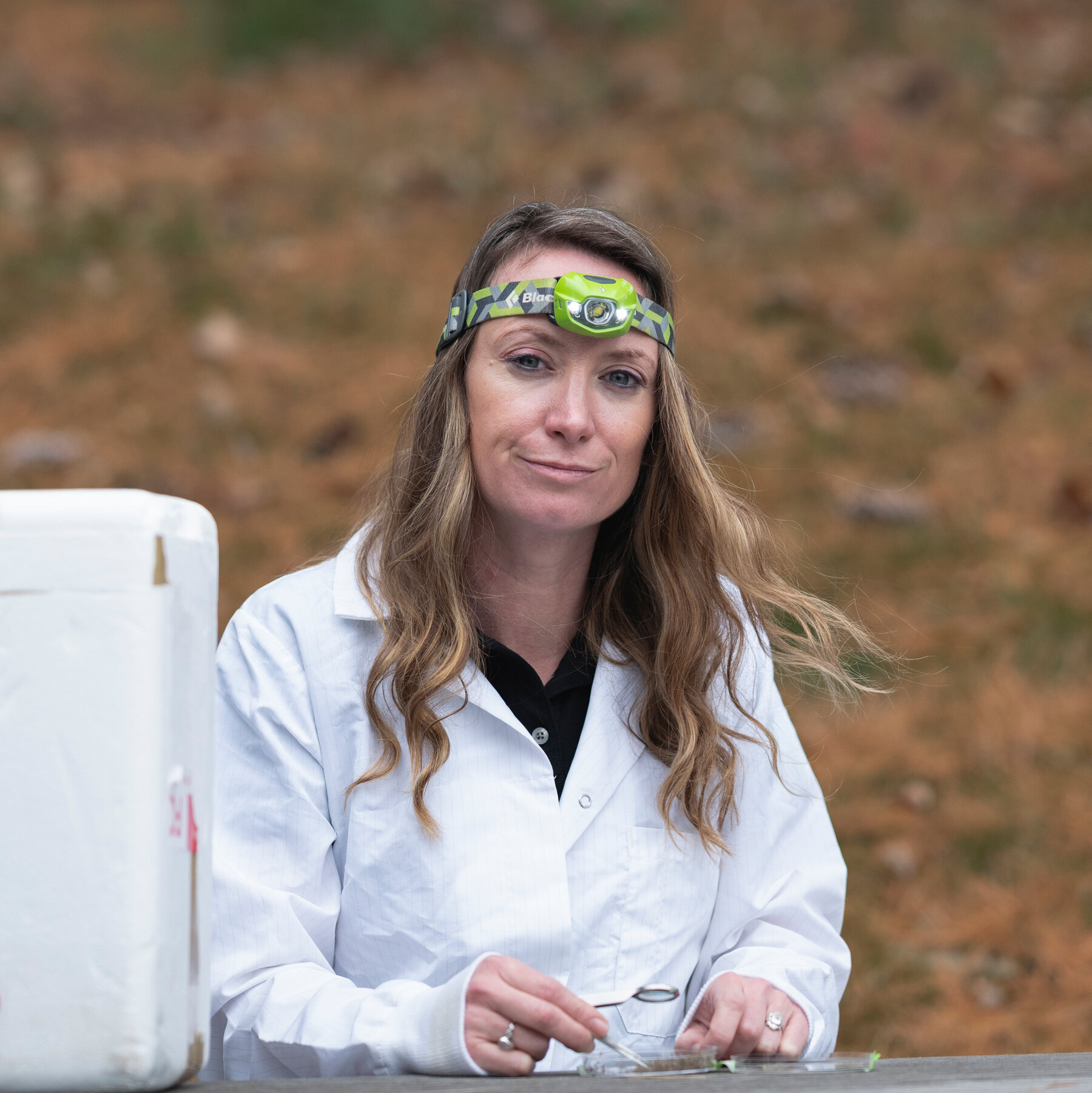
Jenny Carlson Donnelly, an entomologist with a decade of experience, spent several years traveling across sub‑Saharan Africa and Southeast Asia. Her mission was simple yet ambitious: collect wild mosquito populations, test them for drug‑resistant malaria parasites, and develop strategies that could curb the disease’s spread.
Armed with a portable laboratory kit, Donnelly ventured into remote villages in Ghana, the Democratic Republic of Congo, and Myanmar. She spent days setting up light traps, sampling stagnant water, and interviewing local health workers. The data she gathered helped pinpoint hotspots where the parasite was evolving faster than anticipated.
Her findings were quickly shared with national malaria programs, leading to targeted insecticide‑treated net distributions and the introduction of new larviciding techniques. In several pilot sites, infection rates dropped by up to 30% within a year.
Recognizing her expertise, the United States Agency for International Development (USAID) recruited Donnelly to lead a regional “Vector‑Control Innovation” portfolio. In this role, she was expected to translate field insights into large‑scale policy recommendations, secure funding, and coordinate with partner ministries.
In early 2024, internal emails surfaced suggesting that Donnelly had questioned the efficacy of a newly approved insecticide, recommending a pause in its rollout until further laboratory validation. While her caution was praised by some scientists, senior officials at USAID argued that the delay could jeopardize ongoing eradication timelines.
Within weeks, Donnelly received a formal notice of termination. The agency cited “misalignment with strategic priorities” as the official reason, though critics argue that her dismissal was a response to her outspoken stance on evidence‑based interventions.
Several leading entomologists and public‑health NGOs expressed disappointment. “Donnelly’s work saved lives on the ground. Silencing a scientist who advocates for rigorous testing undermines our collective fight against malaria,” said Dr. Ana Lopez, director of the Global Vector Institute.
Meanwhile, USAID defended its decision, emphasizing the need for “cohesive implementation” across its global health programs.
Undeterred, Donnelly announced plans to launch an independent research consortium focused on adaptive vector control. “Malaria won’t wait for bureaucracy,” she said in a recent interview. Her next chapter aims to blend field data with cutting‑edge genomic tools, hoping to restore momentum in the battle against one of humanity’s oldest foes.