Aydın,
-4°C
açık

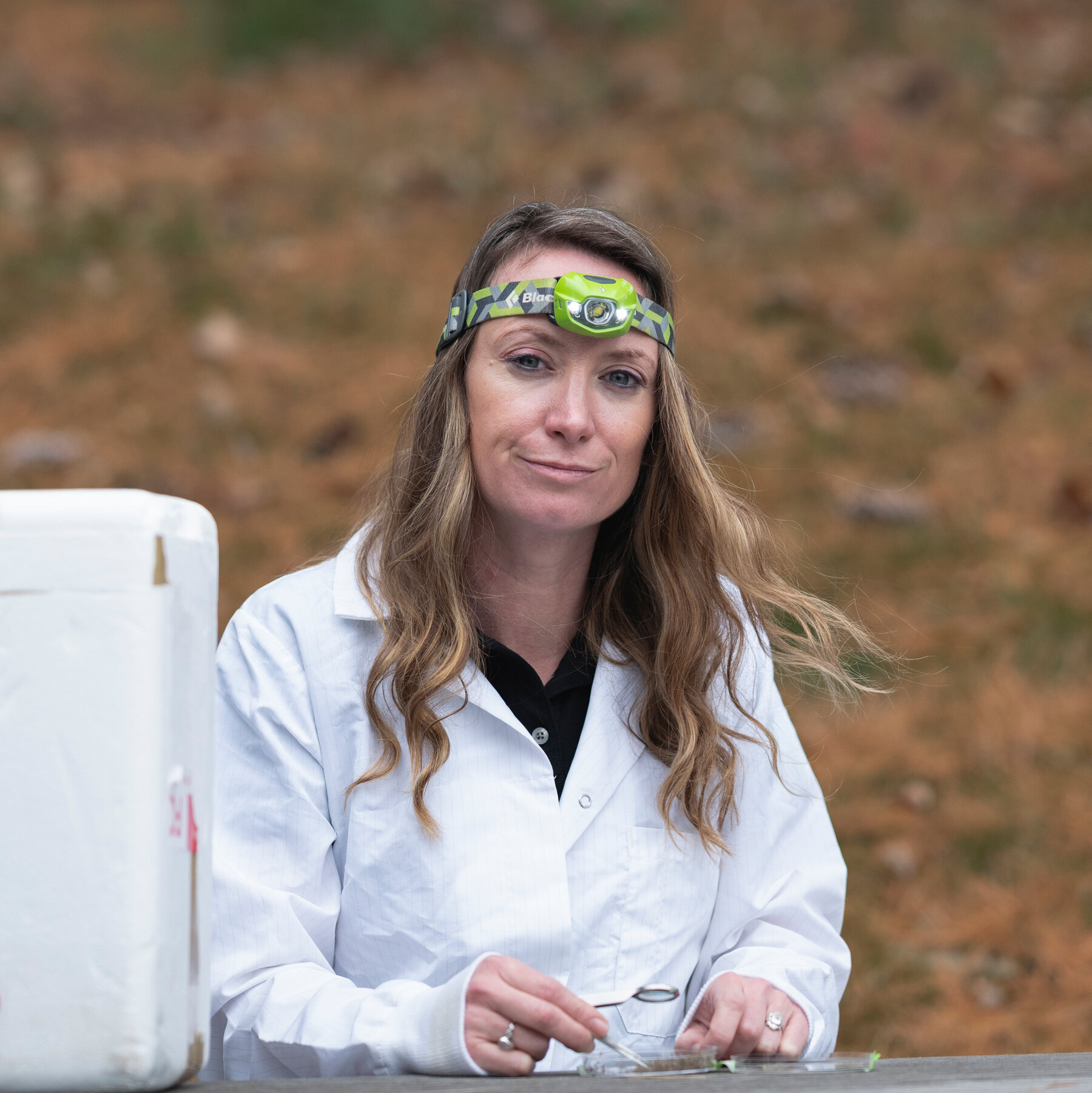
Jenny Carlson Donnelly is a biomedical entomologist who has spent more than a decade researching disease‑carrying mosquitoes in some of the world’s most malaria‑burdened regions. After earning her Ph.D. in vector biology, she joined the U.S. Agency for International Development (USAID) as a senior technical advisor, tasked with translating laboratory findings into field‑ready interventions.
From the wetlands of Tanzania to the river basins of Myanmar, Donnelly led multidisciplinary teams that:
Her work helped reduce malaria incidence by up to 30 % in pilot districts, earning praise from both local ministries of health and global health NGOs.
In March 2025, USAID announced that Donnelly’s contract would not be renewed. The agency cited “organizational restructuring” and “budgetary constraints” as the primary reasons. However, insiders suggest that her outspoken advocacy for faster adoption of gene‑drive technologies—viewed by some senior officials as premature—may have played a role.
According to a confidential memo obtained by the press, senior managers expressed concerns that Donnelly’s public statements were “misaligned with current policy frameworks” and could jeopardize ongoing diplomatic negotiations with partner countries.
The dismissal sparked a heated debate within the global health community. Several former colleagues described Donnelly as “a relentless scientist whose field data saved lives,” while critics argued that “policy coherence must not be sacrificed for rapid technological rollout.”
Advocacy groups have called for an independent review of the decision, emphasizing that losing a leading expert could set back malaria‑control efforts in regions that are already struggling to meet elimination targets.
As Donnelly looks toward new opportunities—potentially with academic institutions or private‑sector partners—her case highlights the delicate balance between scientific innovation, bureaucratic oversight, and the political realities that shape public‑health funding.