Aydın,
1°C
parçalı bulutlu

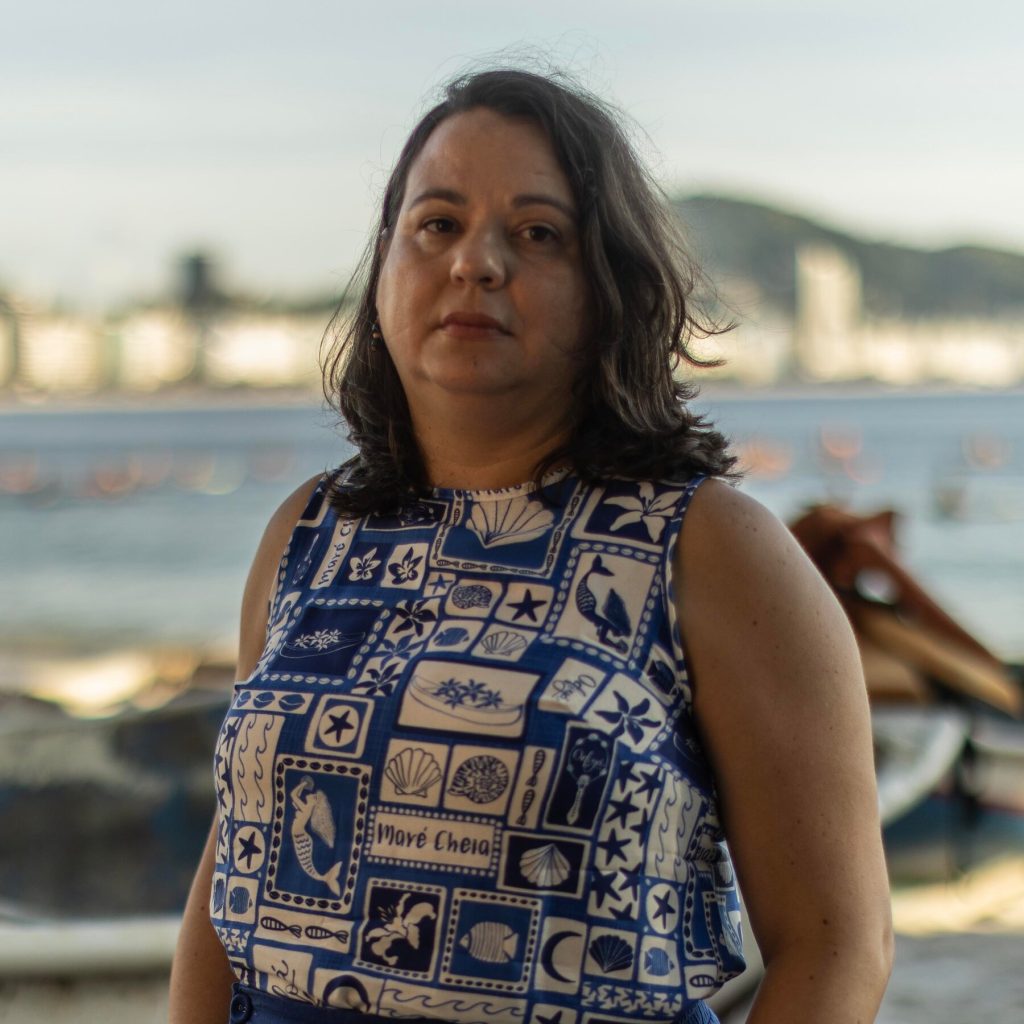
Ana Vaz, a marine biologist with over a decade of experience, spent years monitoring the health of key fish populations in the Southeast Atlantic and the Gulf of Mexico. Her data informed management plans that protect the livelihoods of thousands of fishermen and the ecosystems they rely on.
Vaz’s research concentrated on species such as red snapper, grouper, and shrimp—species that are economic cornerstones for coastal towns from Florida to Alabama. By combining satellite imagery, acoustic surveys, and on‑deck observations, she delivered real‑time assessments that allowed regulators to adjust quotas and seasonal closures.
In early 2024, however, Vaz’s contract with the National Oceanic and Atmospheric Administration (NOAA) was terminated. According to colleagues, the dismissal followed her outspoken concerns about budget cuts and data transparency—issues that could jeopardize the very fish stocks she helped safeguard.
“Her departure is a loss for science and for the fishing communities that depend on accurate stock assessments,” said John Ramirez, a senior fisheries manager at the Gulf Coast Regional Office.
Undeterred, Vaz plans to continue her work independently, seeking partnerships with universities and nonprofit organizations to ensure that critical fish monitoring remains a priority for the region.