Aydın,
8°C
açık

When a natural disaster strikes, the immediate need is shelter, safety, and dignity for those displaced. Architects possess a unique blend of technical expertise, creative problem‑solving, and social responsibility that positions them to address these urgent challenges effectively.
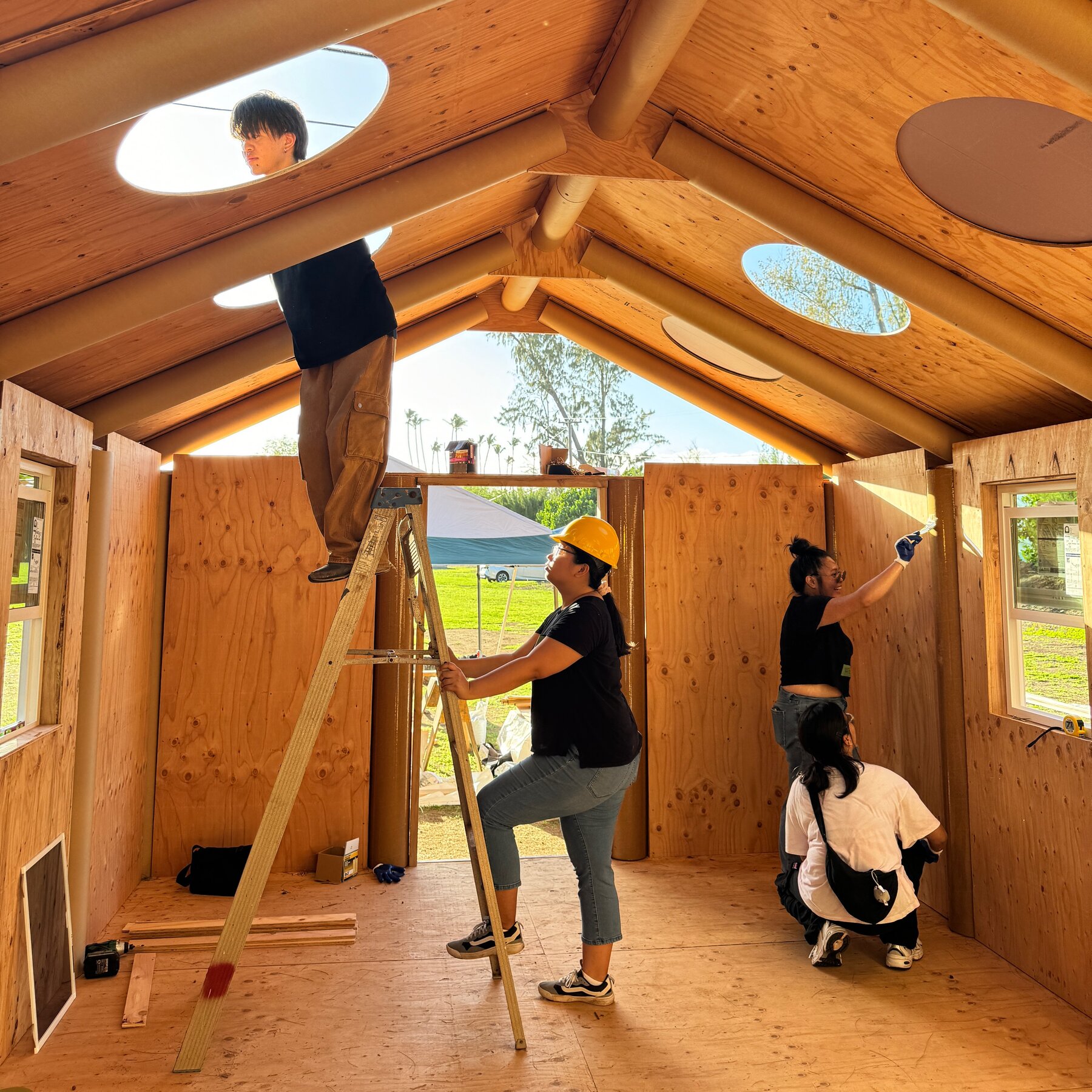
Japanese architect Shigeru Ban has become a global exemplar of disaster‑responsive design. He believes that architecture should be temporary, affordable, and adaptable, using readily available materials such as paper tubes, bamboo, and recycled components to create structures that can be assembled quickly and dismantled without waste.
1. Speed of Construction – Designs must allow for rapid deployment, often within days of an event.
2. Local Materials – Sourcing from the surrounding area reduces logistics costs and supports local economies.
3. Flexibility – Structures should be modular, allowing expansion or reduction as needs evolve.
4. Sustainability – Using recyclable or biodegradable materials minimizes environmental impact, especially important in fragile post‑disaster ecosystems.
Ban’s most celebrated projects illustrate these principles in action:
Professionals interested in contributing to disaster relief can take several practical steps:
As climate change intensifies the frequency and severity of natural disasters, the role of architects will only grow more critical. By embracing Shigeru Ban’s philosophy of humane, sustainable, and rapid design, the profession can help rebuild communities not just faster, but stronger and more resilient.