Aydın,
-4°C
açık

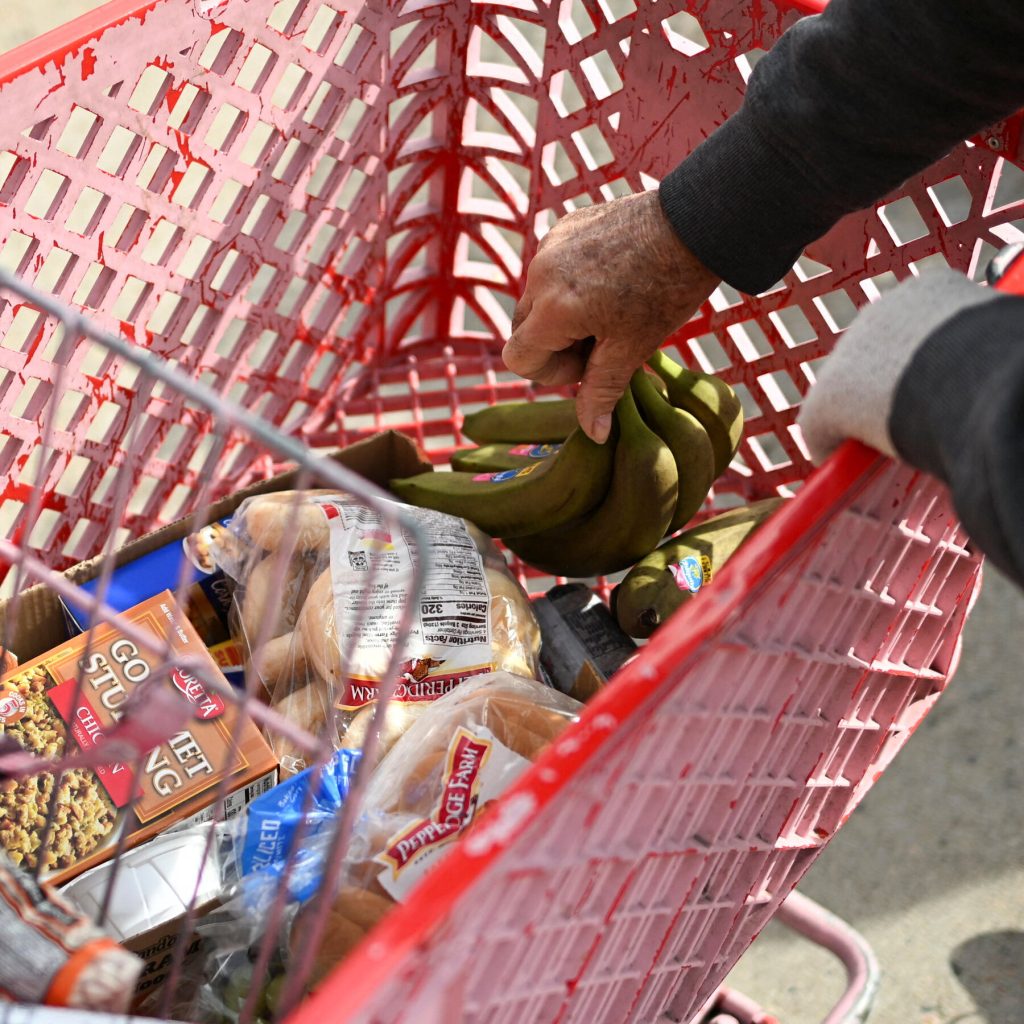
As the partial government shutdown continues to drag on, concerns are growing about the impact on low-income families who rely on food stamps to get by. Anti-hunger groups and state officials have expressed alarm that the Trump administration’s plan to make partial payments to Supplemental Nutrition Assistance Program (SNAP) recipients may not be enough to prevent severe disruptions.
According to the US Department of Agriculture (USDA), which administers the SNAP program, November’s benefits are scheduled to be paid out on December 1, which falls within the shutdown period. However, with many government agencies operating on skeletal staff, there are worries that some states may struggle to process and distribute the benefits on time.
The situation is particularly concerning because SNAP, also known as food stamps, provides vital support to over 36 million people in the United States, including low-income families, seniors, and people with disabilities. Anti-hunger groups have warned that delays or disruptions to SNAP benefits can have severe consequences, including increased food insecurity, hunger, and poverty.
While the USDA has announced plans to make partial payments to SNAP recipients, some states and advocacy groups argue that this approach is burdensome and may not prevent harm. For example, some states may need to scramble to adjust their payment systems, which could lead to confusion and delays.
Moreover, partial payments may not cover the full amount of benefits that recipients are entitled to, leaving them with a significant shortfall. This could force some families to make impossible choices between paying bills, affording medication, or putting food on the table.
State officials and anti-hunger groups are urging Congress to take swift action to pass a spending bill that would fully fund SNAP and other vital programs. Until then, vulnerable populations may be left facing uncertainty and hardship. As one advocacy group noted, “The government shutdown is not just a inconvenience; it’s a matter of life and death for many families who rely on these essential services.”