Aydın,
-4°C
açık

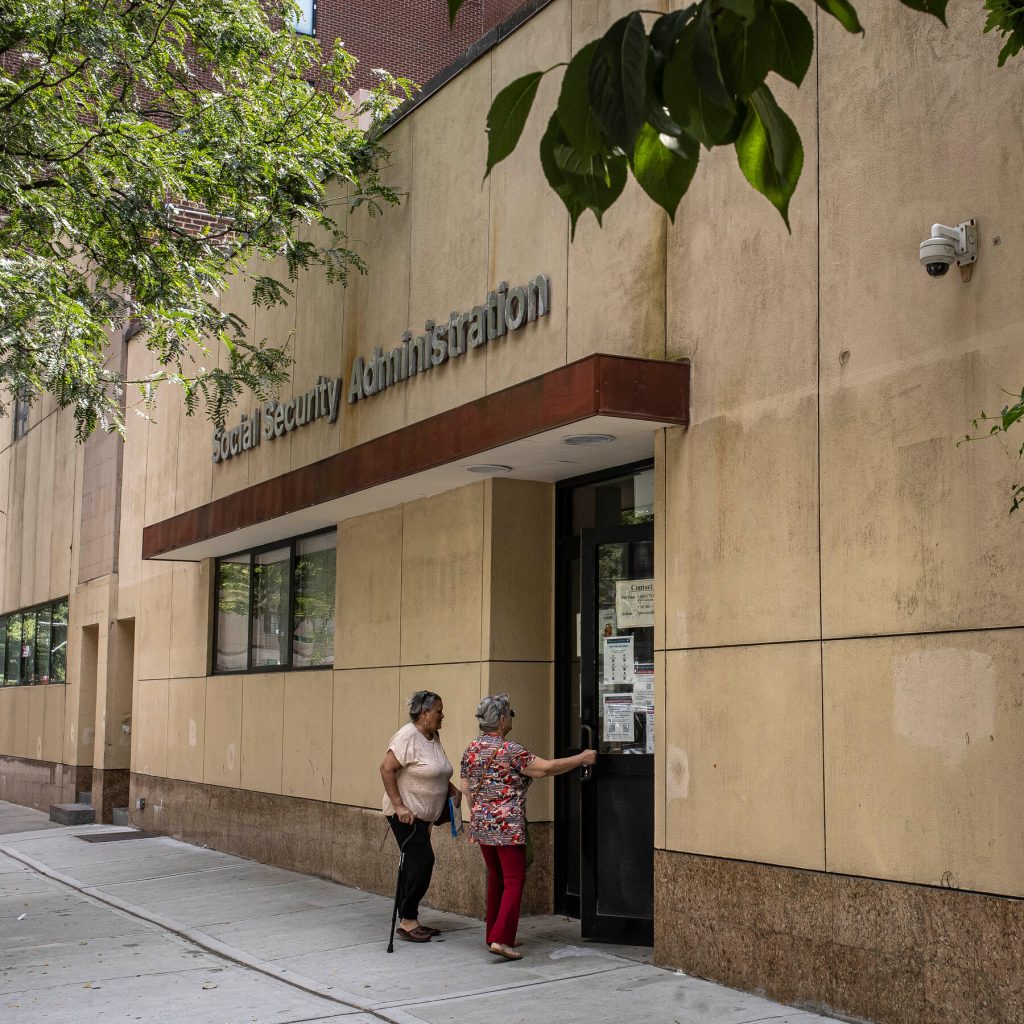
In a move aimed at helping recipients keep pace with inflation, the Social Security Administration has announced a 2.8% cost-of-living adjustment (COLA) for beneficiaries. This increase, which will take effect in January, is set to benefit a wide range of recipients, including retirees, their spouses, individuals receiving disability benefits, and those who rely on Supplemental Security Income (SSI).
The COLA adjustment is an annual increase in benefits designed to reflect the rising cost of living in the United States. It is based on the Consumer Price Index (CPI), which measures the average change in prices of a basket of goods and services over time. According to the Social Security Administration, the 2.8% increase is a result of the CPI’s upward trend, indicating a moderate rise in living costs.
The increase will be noticeable in the benefits received by millions of Americans who rely on Social Security and SSI to make ends meet. For retirees and their spouses, this adjustment means a slight boost in their monthly checks, which can make a significant difference in their ability to cover expenses such as healthcare, housing, and food.
Individuals receiving disability benefits will also see an increase in their payments, providing them with a bit more financial breathing room as they navigate their disability. Furthermore, SSI recipients, who often live on the edge of financial stability, will benefit from the COLA adjustment, helping them to better afford the necessities.
The Social Security Administration typically announces the COLA adjustment in October, and it takes effect in January of the following year. This allows beneficiaries to plan and adjust their budgets accordingly. The 2.8% increase is a welcome piece of news for those who depend on these benefits to support their daily lives.
The COLA adjustment serves as a critical component of ensuring that Social Security and SSI benefits retain their purchasing power over time. By making these periodic adjustments, the Social Security Administration aims to protect beneficiaries from the erosive effects of inflation and help them maintain a stable standard of living.