Aydın,
-4°C
açık

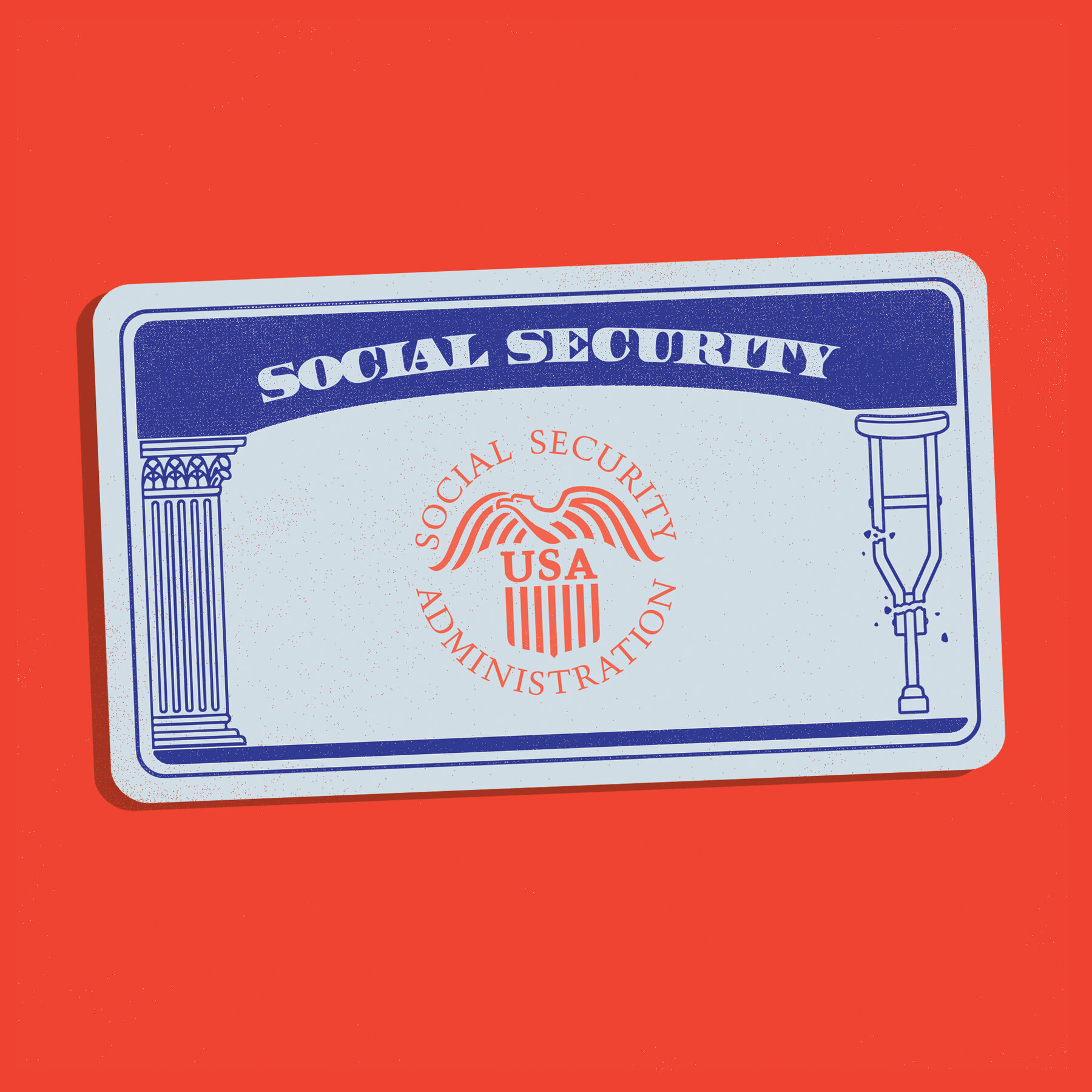
The Social Security Disability Insurance (SSDI) program serves as a vital source of income for millions of older Americans who are unable to maintain regular employment due to serious health conditions. For many, these benefits represent the difference between financial stability and hardship, covering essential expenses such as housing, medical care, and daily living costs.
In a surprising move, the White House announced a pause on a series of proposed changes to the SSDI program that had sparked concern among policymakers, advocacy groups, and experts. The halted reforms were intended to tighten eligibility criteria and reduce benefit amounts, measures that critics warned could leave the most vulnerable workers without adequate support.
Several disability policy analysts expressed relief at the decision to suspend the changes, emphasizing that the program’s stability is essential during a period of economic uncertainty. “Any reduction in benefits could have cascading effects on families and local economies,” noted one specialist, highlighting the broader social impact of the proposed cuts.
While the pause provides temporary reassurance, the future of SSDI remains uncertain. Stakeholders are urging the administration to conduct a comprehensive review of the program’s funding and eligibility standards, ensuring that reforms—if any—balance fiscal responsibility with the need to protect workers who rely on disability benefits for their livelihood.