Aydın,
10°C
parçalı bulutlu

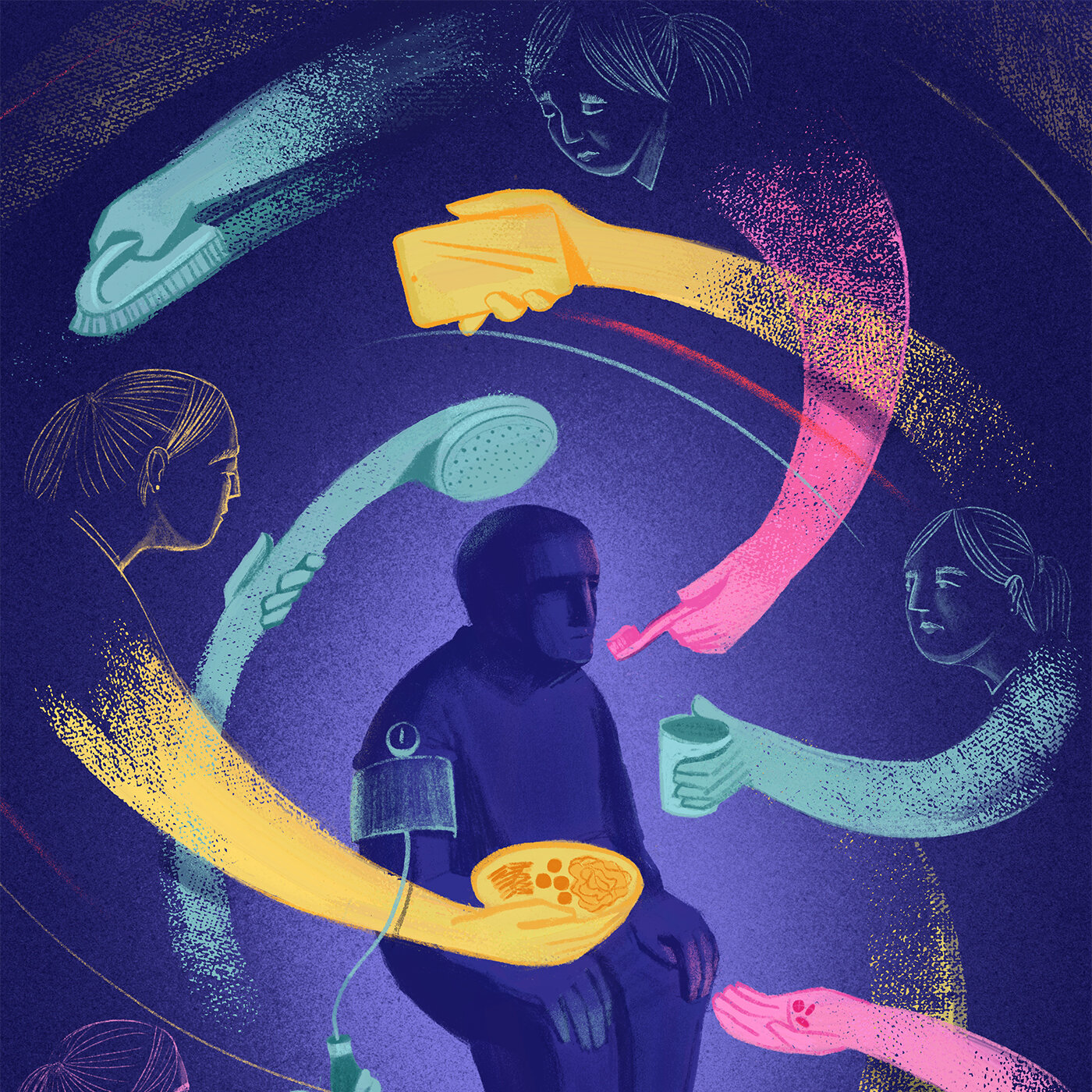
Imagine being discharged from a hospital but still feeling unable to manage basic tasks at home. Whether you have just finished a few weeks of rehabilitation or you’re recovering from a fall in the shower, the question looms: Can you handle the complex medication schedule, grocery shopping, and cooking on your own?
Older adults often face frailty, multiple chronic conditions, or the loss of a spouse, which makes everyday activities harder. Yet, surveys spanning decades consistently reveal a strong preference to stay in familiar surroundings. The idea of moving to a facility—no matter how well‑equipped—simply doesn’t appeal to most.
When daily tasks become overwhelming, seniors turn to a mix of support: family members, friends, and paid caregivers. This blend of informal and formal assistance is the backbone of home‑care services, but the paid‑care segment is under unprecedented strain.
“It’s a crisis,” warns Dr. Madeline Sterling, a primary‑care physician at Weill Cornell Medicine and director of Cornell University’s Initiative on Home Care Work. “The system isn’t working for anyone—patients (including younger adults with disabilities), family caregivers, or the home‑care workers themselves.”
As the population ages, demand for home‑care workers is soaring, yet the sector faces a severe shortage of qualified staff. The mismatch between supply and need threatens the very promise of aging in place.
Families often find themselves scrambling to arrange help for bathing, dressing, and medication management. Paid caregivers, meanwhile, report low wages, limited benefits, and high turnover, which only worsens the supply gap. All parties feel the pressure, and the result is a fragmented system that fails to deliver reliable, dignified care.
Addressing the home‑care crisis will require coordinated action:
Only by tackling these challenges head‑on can we honor the long‑standing desire of older adults to remain at home while ensuring they receive the safe, compassionate support they deserve.