Aydın,
16°C
kapalı

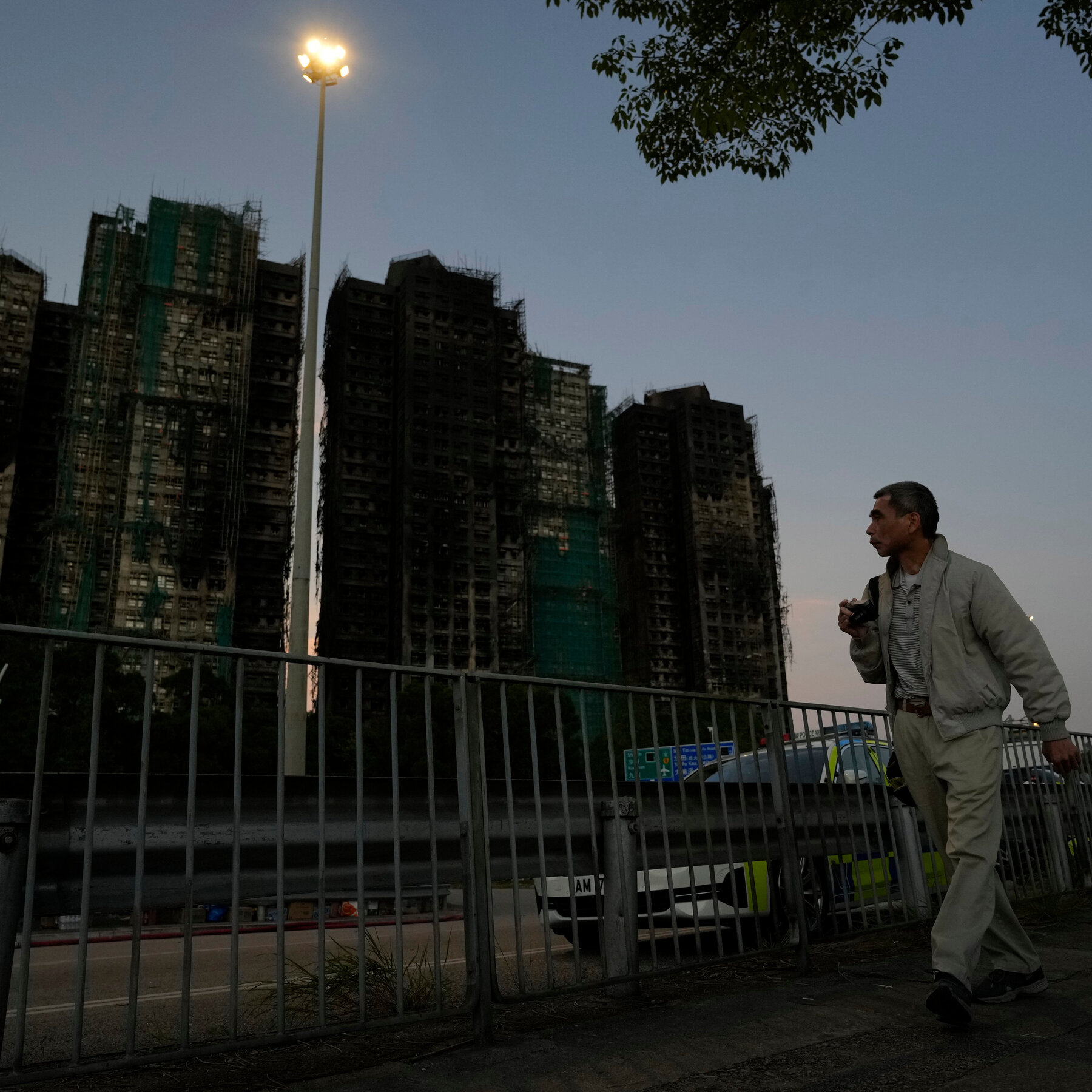
On a rainy evening last month, a massive blaze ripped through a densely packed residential block in Kowloon, claiming dozens of lives and displacing thousands. The fire, which officials describe as one of the deadliest in recent Hong Kong history, has reignited long‑standing debates about the city’s housing policies and social inequality.
Rescue teams worked through the night, pulling survivors from the smoldering wreckage. More than 3,000 residents have been evacuated, many of whom lost not only their homes but also cherished belongings and loved ones. “I woke up to flames licking the windows of our kitchen,” one survivor recounted, “and in minutes everything we had built was gone.”
Hong Kong already ranks among the world’s most expensive cities for housing. The fire has laid bare how sky‑high rents and a shortage of affordable units force many families into cramped, aging apartments that lack proper safety measures. Critics argue that the tragedy is a stark reminder that the city’s “luxury‑driven development model” leaves vulnerable residents exposed to disaster.
The SAR government pledged HK$5 billion in emergency relief funds and set up temporary shelters in schools and community centers. A task force has been created to assess building safety across the city, with a focus on older estates that may not meet current fire‑code standards. However, activists warn that short‑term aid will not solve the underlying problem of inadequate public housing.
As the fire victims navigate a complex web of insurance claims, relocation applications, and emotional trauma, many remain uncertain about their future. NGOs are mobilizing volunteers to provide counseling, legal assistance, and basic necessities. Meanwhile, policymakers face mounting pressure to accelerate the construction of affordable, fire‑safe housing and to implement stricter safety inspections.
The tragedy has sparked a city‑wide conversation about who bears the cost of Hong Kong’s prosperity. For the survivors, the path forward is fraught with challenges, but their resilience may become the catalyst for the reforms the city desperately needs.