Aydın,
-4°C
açık

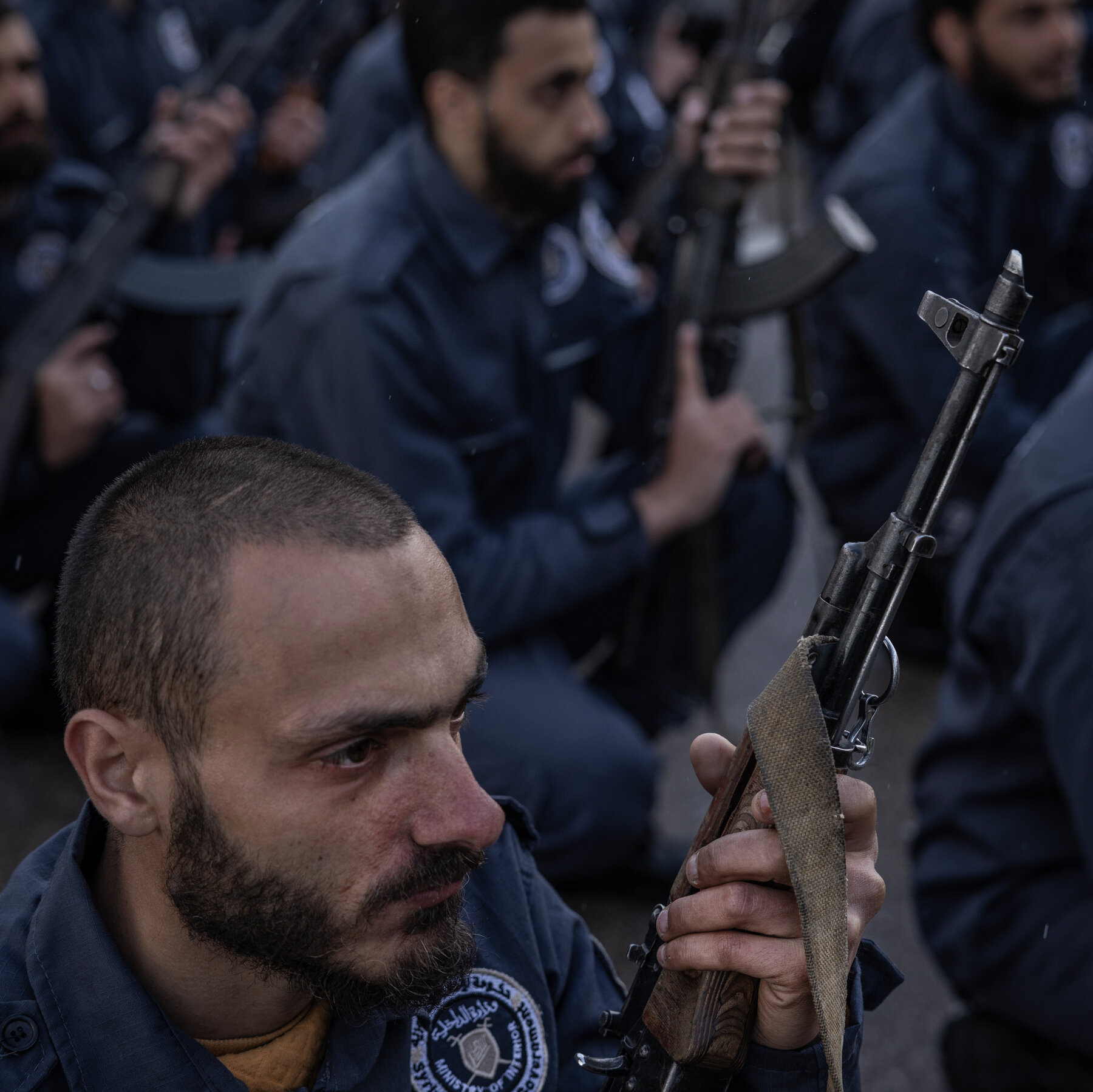
Since the end of the civil war, the Syrian government has embarked on an ambitious project to reconstruct its armed forces. With much of the original structure shattered, officials are starting from the ground up, recruiting new personnel, retraining veterans, and re‑equipping units that were once decimated.
The backbone of this reconstruction is a network of loyalist commanders and soldiers who remained steadfast to the regime throughout the conflict. These individuals are being fast‑tracked into leadership positions, often bypassing traditional military career pathways. The government argues that their proven loyalty ensures cohesion and prevents dissent within the ranks.
In parallel, the Syrian Ministry of Defense has introduced a curriculum that intertwines military drills with religious education. Cadets attend seminars on Islamic ethics, and sermons are incorporated into daily briefings. Proponents claim this approach bolsters morale and instills a sense of moral purpose, while critics warn it may blur the line between state and religion.
Opposition analysts contend that the focus on loyalty and ideology is undermining the army’s combat effectiveness. They point to several issues:
These shortcomings, they argue, could leave Syria ill‑prepared to face both internal security challenges and external threats.
Regional experts note that while rebuilding a loyal force is politically expedient, a sustainable military must balance political reliability with competence. “A force built solely on loyalty risks becoming a tool of repression rather than a credible defensive institution,” one analyst said.
The Syrian leadership maintains that the current strategy is a necessary phase in restoring national sovereignty. As the recruitment drive continues and the religious curriculum expands, the true test will be whether the new army can transition from a loyalty‑based cadre to a professionally trained, operationally ready force.