Aydın,
16°C
kapalı

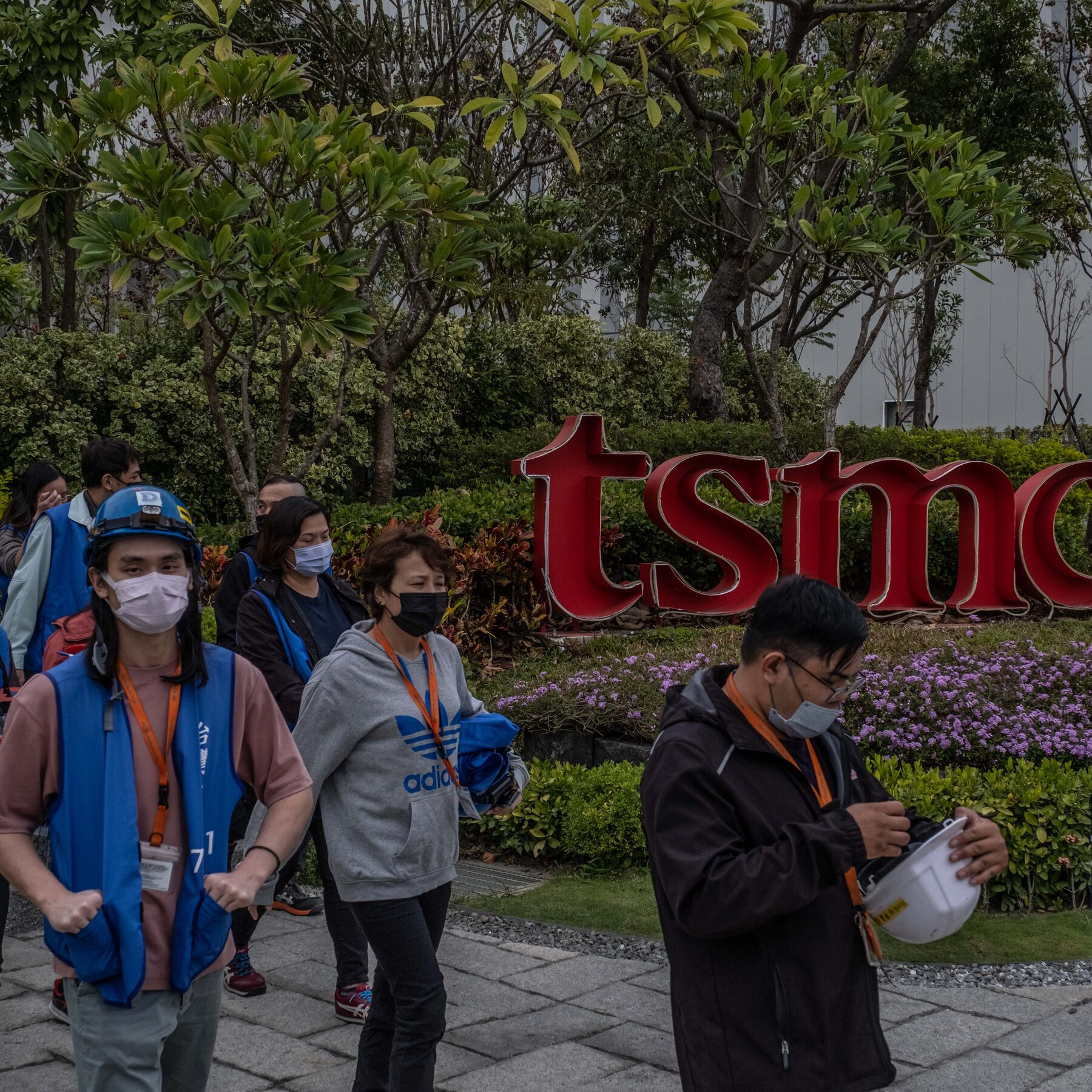
What happened: A senior executive from Taiwan Semiconductor Manufacturing Company (TSMC) has accepted a position at Intel.
Government response: Taiwan’s authorities have warned that the move could jeopardize the island’s national security and have invoked the National Security Law to protect critical trade secrets.
TSMC, the world’s leading semiconductor foundry, is a cornerstone of Taiwan’s economy and a strategic asset in the global technology supply chain. The company’s cutting‑edge process technologies are considered vital to both civilian and defense applications.
The executive, who oversaw advanced node development at TSMC for more than a decade, announced his departure last week to take up a senior role at Intel’s foundry division. The move has raised eyebrows in both industry circles and government circles, given the sensitive nature of the knowledge he possesses.
Taiwan’s Ministry of National Defense issued a statement saying that the transfer of “high‑value technical expertise” to a foreign competitor could “undermine the island’s strategic technological advantage.” The ministry cited the National Security Law, which empowers authorities to restrict the export of critical information and to monitor personnel movements that may threaten national interests.
“Protecting our semiconductor capabilities is not just an economic priority; it is a matter of national security,” the statement read. “We will take all necessary legal measures to ensure that proprietary technologies remain safeguarded.”
The incident highlights the growing tension between talent mobility and security concerns in the high‑tech sector. While companies routinely recruit top engineers from rivals, governments are increasingly scrutinizing such moves when they involve “strategic industries” like semiconductors.
Analysts warn that stricter enforcement of security regulations could lead to a more guarded environment, potentially slowing collaboration and innovation across borders.
As the situation unfolds, both TSMC and Intel are expected to cooperate with Taiwanese authorities to address any potential breaches of confidentiality. The case may set a precedent for how other nations handle the delicate balance between talent acquisition and the protection of critical technology assets.