Aydın,
1°C
açık

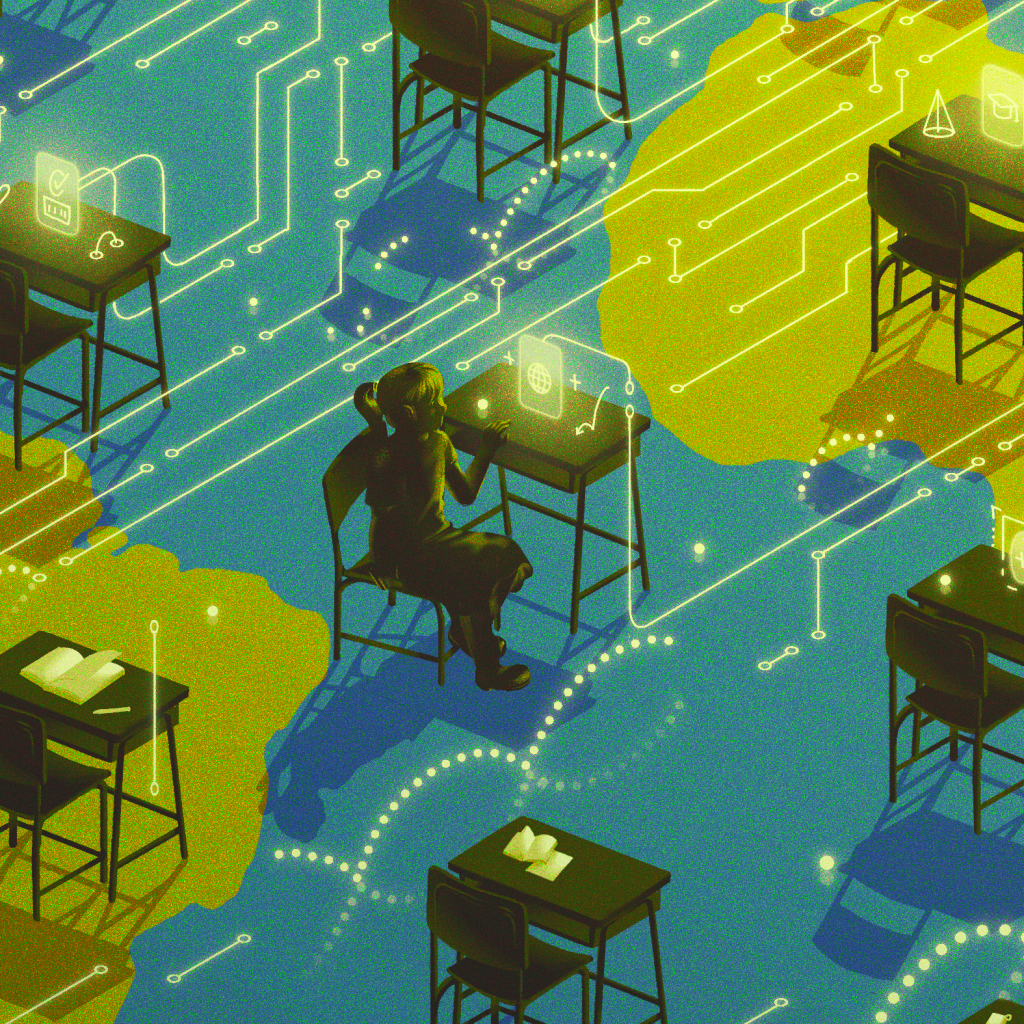
Across the globe, an increasing number of national and regional education authorities are piloting or fully deploying AI‑driven chatbots in schools. The aim is to provide students with instant access to information, personalized tutoring, and language‑learning assistance, all through devices they already use daily.
Supporters argue that these tools can supplement traditional teaching by offering 24/7 help, adapting to each learner’s pace, and freeing teachers to focus on higher‑order thinking skills. In some districts, early trials have shown improvements in student engagement and faster resolution of routine queries.
However, a growing chorus of educators and scholars cautions that an overreliance on AI could undermine core teaching practices. They fear that chatbots may encourage surface‑level answers, reduce critical thinking, and widen the digital divide for students lacking reliable internet access.
Policymakers are now tasked with striking a balance: integrating cutting‑edge technology while preserving the human element of education. Many suggest implementing clear guidelines, teacher training, and robust evaluation frameworks to ensure AI serves as a tool—not a replacement for effective instruction.