Aydın,
1°C
parçalı bulutlu

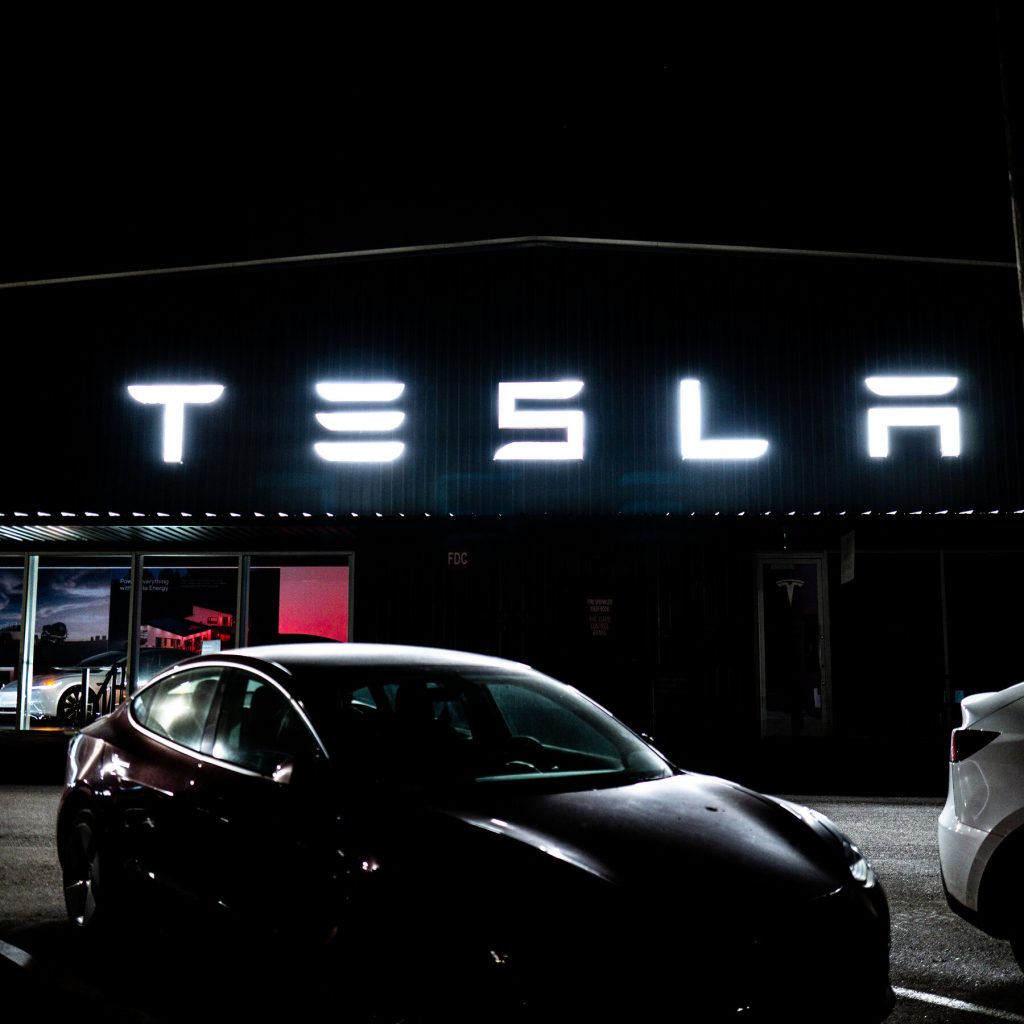
In 2025, Tesla’s U.S. deliveries fell 9 percent compared with the previous year, marking the steepest decline since the company went public. The drop left the automaker with roughly 1.2 million vehicles sold in the United States, while Chinese rival BYD surged ahead with 1.4 million units in the same market.
The primary catalyst was the termination of federal tax credits for electric‑vehicle purchases, a policy shift that hit Tesla harder than most competitors because the company had relied heavily on the incentive to attract price‑sensitive buyers.
Industry analysts note that the loss of the $7,500 credit removed a crucial price advantage, forcing many potential customers to reconsider or postpone their purchases.
Shares of Tesla slipped 5 percent in after‑hours trading following the earnings release, while BYD’s stock rose 3 percent on news of its expanding U.S. footprint.
“The incentive phase‑out exposed the fragility of Tesla’s pricing strategy in the domestic market,” said Laura Chen, an automotive analyst at GreenLane Research. “If the company wants to regain momentum, it must innovate beyond subsidies and deliver compelling value.
Tesla’s CEO has hinted at new cost‑reduction measures and a refreshed pricing model for the upcoming Model Y refresh, aiming to mitigate the impact of the policy change.
Meanwhile, BYD is accelerating its rollout of the Han and Tang models, leveraging a growing network of dealerships and a robust supply chain to capture a larger share of the U.S. EV market.