Aydın,
-4°C
açık

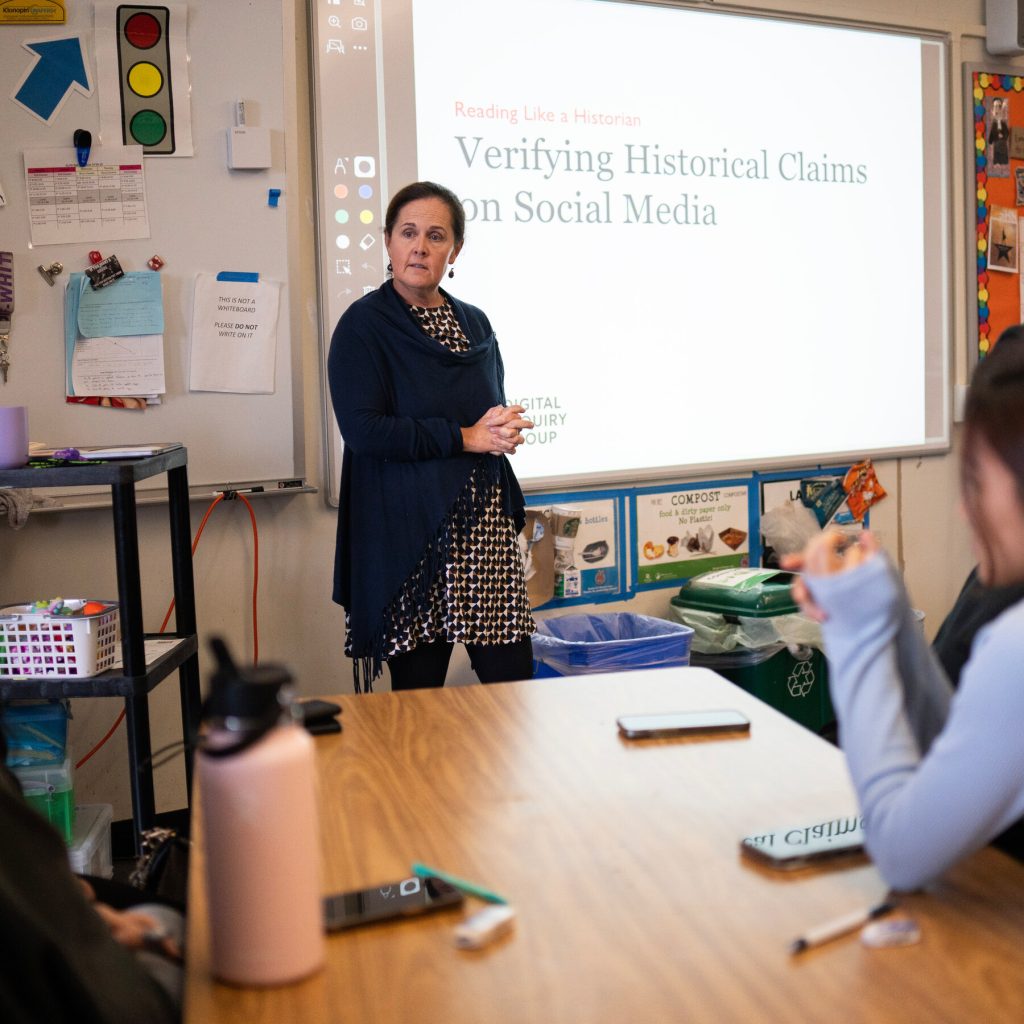
Today’s teenagers—often called “screenagers”—spend countless hours scrolling through feeds, sharing memes, and interacting with generative AI tools. While these platforms offer unprecedented opportunities, they also expose young people to misinformation, privacy risks, and manipulative design. Educators are realizing that traditional media‑literacy lessons are no longer enough; students need hands‑on, critical training that keeps pace with the rapid evolution of technology.
Riverside High School launched a semester‑long elective titled Digital Navigation and Ethics in September 2024. The class, open to sophomores and juniors, combines interactive workshops, real‑world case studies, and collaborative projects. Its goal is simple: equip students with the skills to evaluate content, protect their data, and use AI responsibly.
1. Decoding Algorithms
Students explore how recommendation engines on TikTok, Instagram, and YouTube decide what appears on their screens. Through live demos, they learn to audit their own feeds and adjust settings to reduce echo chambers.
2. Spotting Misinformation
Using fact‑checking tools and reverse image searches, participants practice identifying deepfakes, click‑bait headlines, and AI‑generated text. The module culminates in a mock “newsroom” where teams produce verified articles on trending topics.
3. Privacy & Data Literacy
Students audit the permissions granted to popular apps, calculate the data value of their online footprints, and draft personal “digital contracts” that outline boundaries for sharing personal information.
4. Ethical AI Use
The class examines the ethical dilemmas surrounding generative AI—such as plagiarism, bias, and the impact on employment. Learners experiment with AI writing assistants, learning when to leverage the technology and when to rely on their own voice.
The program is co‑taught by Ms. Elena Ramirez, a veteran English teacher with a background in media studies, and Dr. Aaron Lee, a computer‑science professor from the local community college. The school also partners with Common Sense Media and the nonprofit MediaWise, providing up‑to‑date resources and guest speakers from the tech industry.
“I used to think ‘likes’ were the only measure of success,” says 16‑year‑old Maya Patel, a sophomore in the class. “Now I can see how the algorithm pushes certain content, and I’m more careful about what I share.”
“When we built a chatbot for our project, we realized how easy it is to spread false information if you don’t check the source,” notes junior Carlos Mendes. “That was a wake‑up call for all of us.”
Pre‑ and post‑course surveys show a 38% increase in students’ confidence to identify misinformation and a 45% rise in awareness of privacy settings. Teachers report that participants are more likely to question sensational headlines and discuss digital ethics during lunchroom conversations.
Riverside plans to expand the elective into a full‑year pathway, integrating it with the school’s journalism and computer‑science tracks. The district is also exploring a mentorship model where alumni of the class return as peer coaches, fostering a sustainable “digital‑literacy culture” across campuses.
In a world where screens shape perception, giving screenagers the tools to navigate responsibly may be the most crucial lesson of our generation.