Aydın,
2°C
parçalı bulutlu

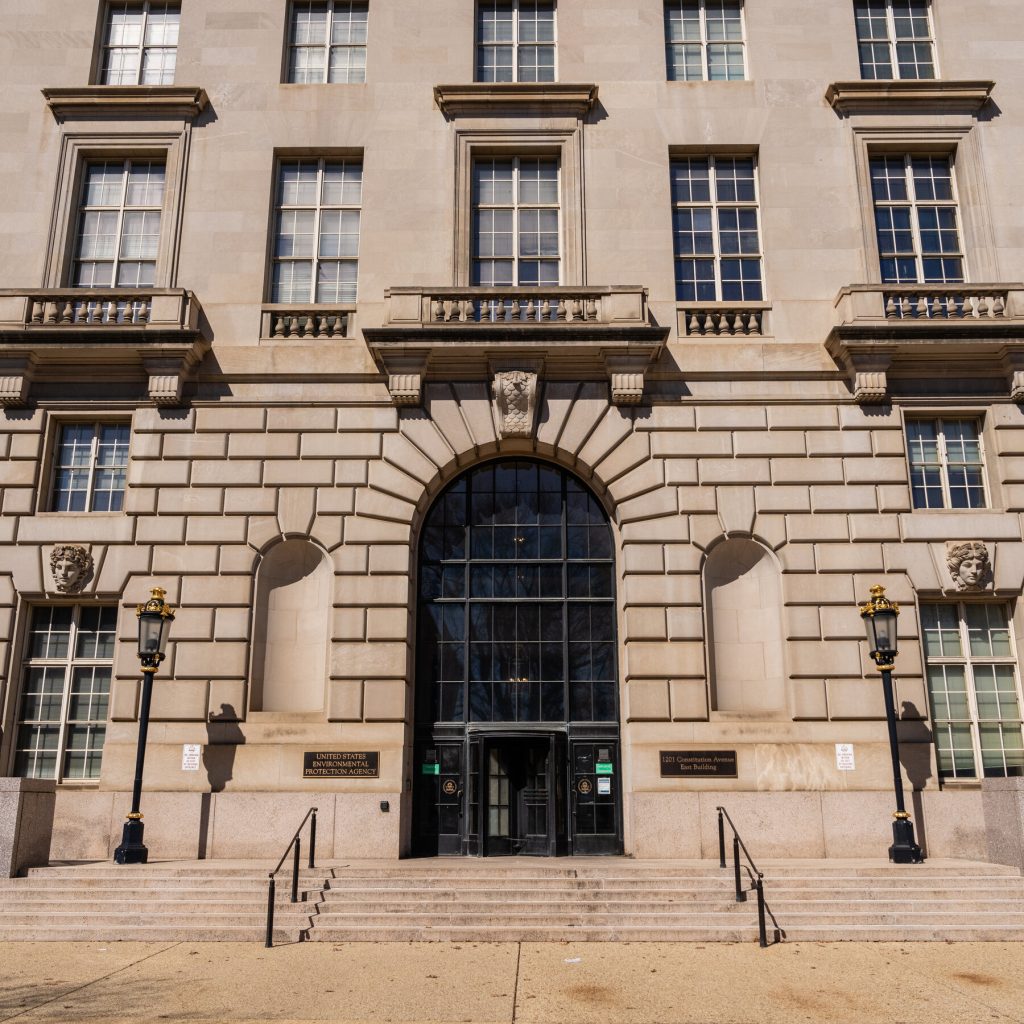
In a move that has raised eyebrows among environmental advocates and lawmakers, the Environmental Protection Agency (E.P.A.) has brought on board a significant number of former lobbyists and industry insiders. These individuals, who previously worked on behalf of corporations and trade groups, are now playing key roles in shaping the agency’s policies on chemical regulation, emission limits, and other critical environmental rules.
The E.P.A.’s hiring of former lobbyists and industry insiders has sparked concerns about the potential for undue influence and conflicts of interest. Critics argue that these individuals may bring a biased perspective to their work at the agency, prioritizing the interests of their former clients over the need to protect public health and the environment.
According to an investigation, a substantial number of E.P.A. employees who work on regulatory issues have previously worked as lobbyists or in other roles for industries that are now subject to E.P.A. oversight. These include individuals who worked on behalf of chemical manufacturers, fossil fuel companies, and other corporations with a direct stake in the agency’s policy decisions.
While the E.P.A. maintains that its hiring practices are transparent and based on merit, some lawmakers and environmental groups are calling for greater scrutiny of the agency’s personnel decisions. They argue that the E.P.A.’s reliance on former lobbyists and industry insiders undermines the agency’s mission to protect public health and the environment.
The E.P.A.’s use of former lobbyists and industry insiders is not a new phenomenon, but it has become more pronounced in recent years. The agency’s administrator has defended the hiring practices, saying that the E.P.A. needs to work with experts from a variety of backgrounds to develop effective regulations. However, critics argue that this approach can lead to regulatory decisions that favor industry interests over those of the public.
As the E.P.A. continues to grapple with complex environmental issues, the presence of former lobbyists and industry insiders on its staff is likely to remain a contentious issue. While the agency’s expertise is undeniable, the potential for conflicts of interest and undue influence raises important questions about the integrity of the regulatory process. Ultimately, it will be up to lawmakers, environmental advocates, and the public to hold the E.P.A. accountable for its hiring practices and ensure that the agency’s decisions prioritize the protection of public health and the environment.