Aydın,
-4°C
açık

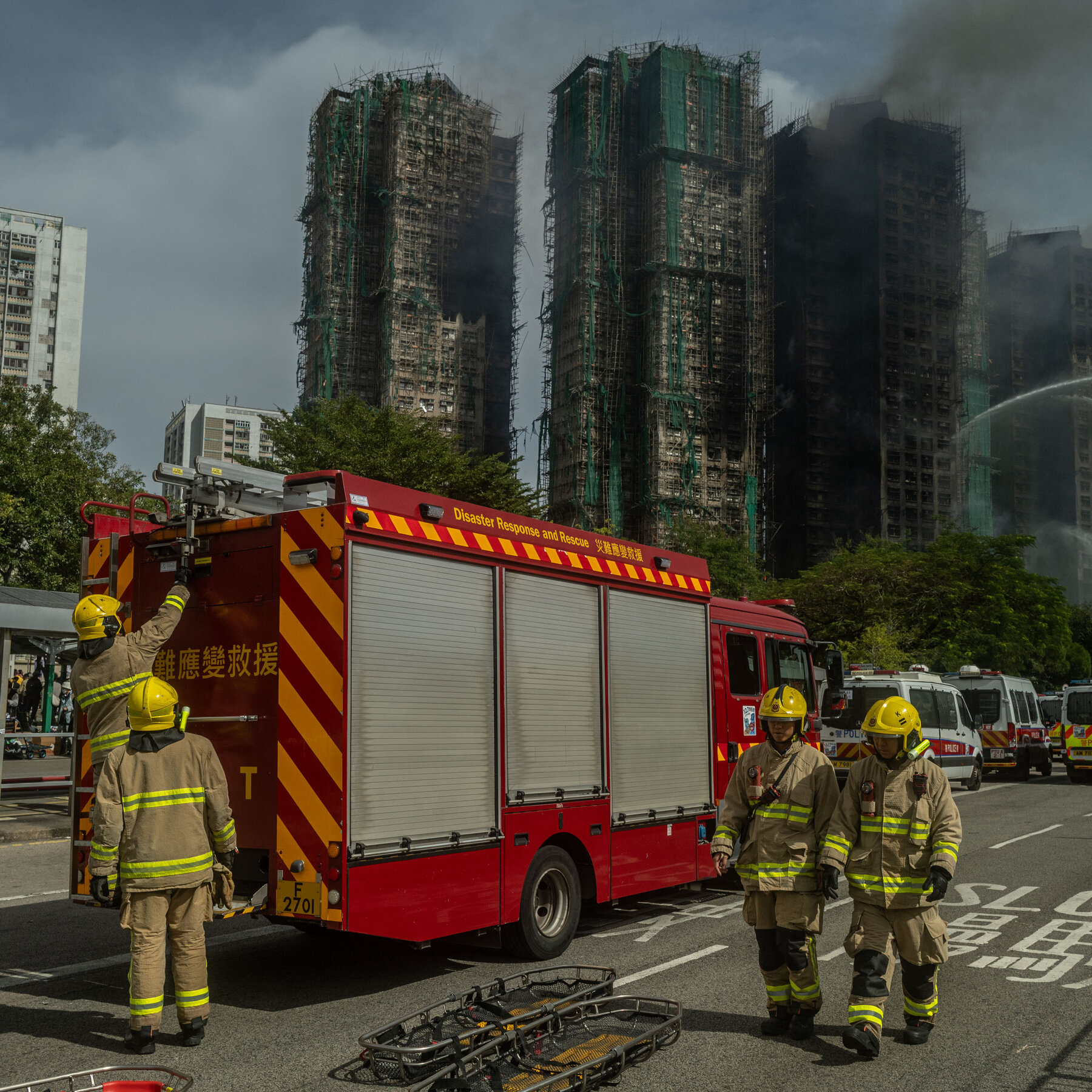
A devastating fire ripped through a residential complex in Hong Kong last week, leaving dozens injured and several families displaced. While the blaze was clearly a non‑political tragedy, the aftermath quickly turned into a political flashpoint.
Within hours of the incident, authorities detained a number of outspoken critics who called for a transparent investigation and accountability for the alleged safety lapses. The arrests were carried out under the National Security Law, a piece of legislation originally designed to curb political dissent.
Human‑rights groups argue that using the security law to target voices demanding answers about a fire represents a significant broadening of its reach. “This is an attempt to silence any criticism, even when it concerns purely humanitarian issues,” said a spokesperson for an international watchdog.
The move sparked a wave of protests across the city, with citizens chanting slogans that blended concerns over public safety with calls for the preservation of civil liberties. Social media platforms were flooded with posts urging the government to separate genuine security matters from ordinary civic grievances.
Analysts warn that the incident could set a precedent whereby any public outcry—political or not—might be framed as a threat to national security. This trend, if left unchecked, could further erode the already fragile space for free expression in the territory.
As investigations into the fire continue, many hope that the focus will remain on uncovering the cause and preventing future disasters, rather than on penalising those who simply demand transparency. The international community remains watchful, emphasizing that accountability and security need not be mutually exclusive.