Aydın,
3°C
açık

For decades, the Centre Pompidou has been the beating heart of modern and contemporary art in Paris. Its sprawling galleries, iconic exposed‑steel exterior, and daring curatorial programs attracted millions of visitors eager to see everything from Marcel Duchamp’s readymades to the latest installations by emerging Asian artists.
In early March 2025, the museum’s director announced an unprecedented move: the entire public display of the permanent collection would be taken down and placed into long‑term storage. The decision, framed as part of a “comprehensive renovation and re‑imagining of exhibition spaces,” left both Parisians and the international art community stunned.
Officials cite several reasons:
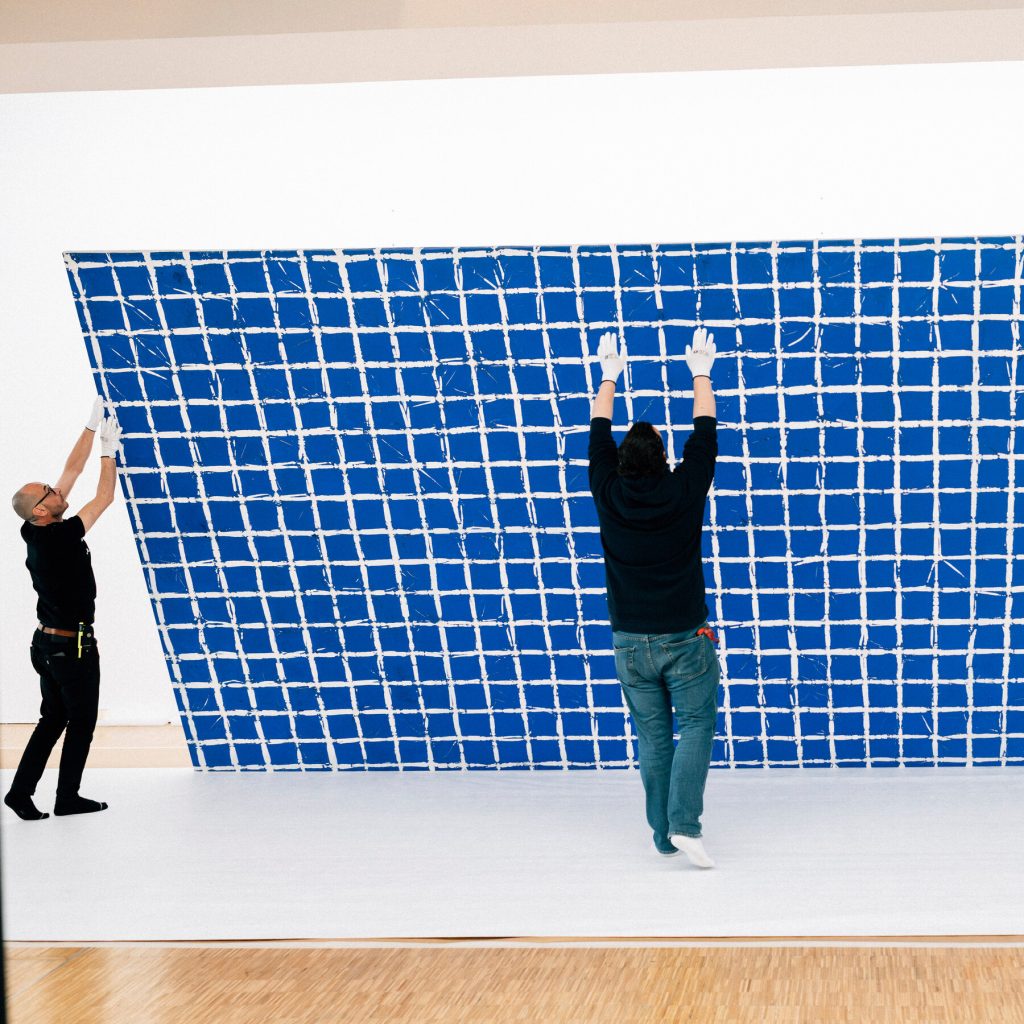
Over 2,000 pieces—from Picasso sketches to Jeff Koons sculptures—are being carefully packed by conservators. Each work is catalogued, wrapped in acid‑free material, and placed in climate‑controlled crates before being moved to the Pompidou’s off‑site storage facility in the Banlieue district.
The announcement sparked a wave of protests outside the museum’s entrance. Artists, students, and longtime visitors gathered with signs reading “Art belongs in the city” and “Don’t hide our culture.” Social media erupted with hashtags like #EmptyPompidou and #SaveOurArt, demanding transparency and a clear timeline for the museum’s reopening.
According to the curatorial team, the temporary closure will last roughly 18 months. During this period, the institution plans to host pop‑up exhibitions in alternative venues across Paris, ranging from vacant warehouses to historic churches, to keep the public engaged with the collection.
While the empty galleries are a striking visual reminder of the museum’s transformation, many hope the renovation will ultimately deliver a more dynamic, accessible experience for future generations. As the art rests in storage, the question remains: will the Pompidou emerge stronger, or will the loss of its public presence leave a lasting void in the city’s cultural landscape?