Aydın,
8°C
açık

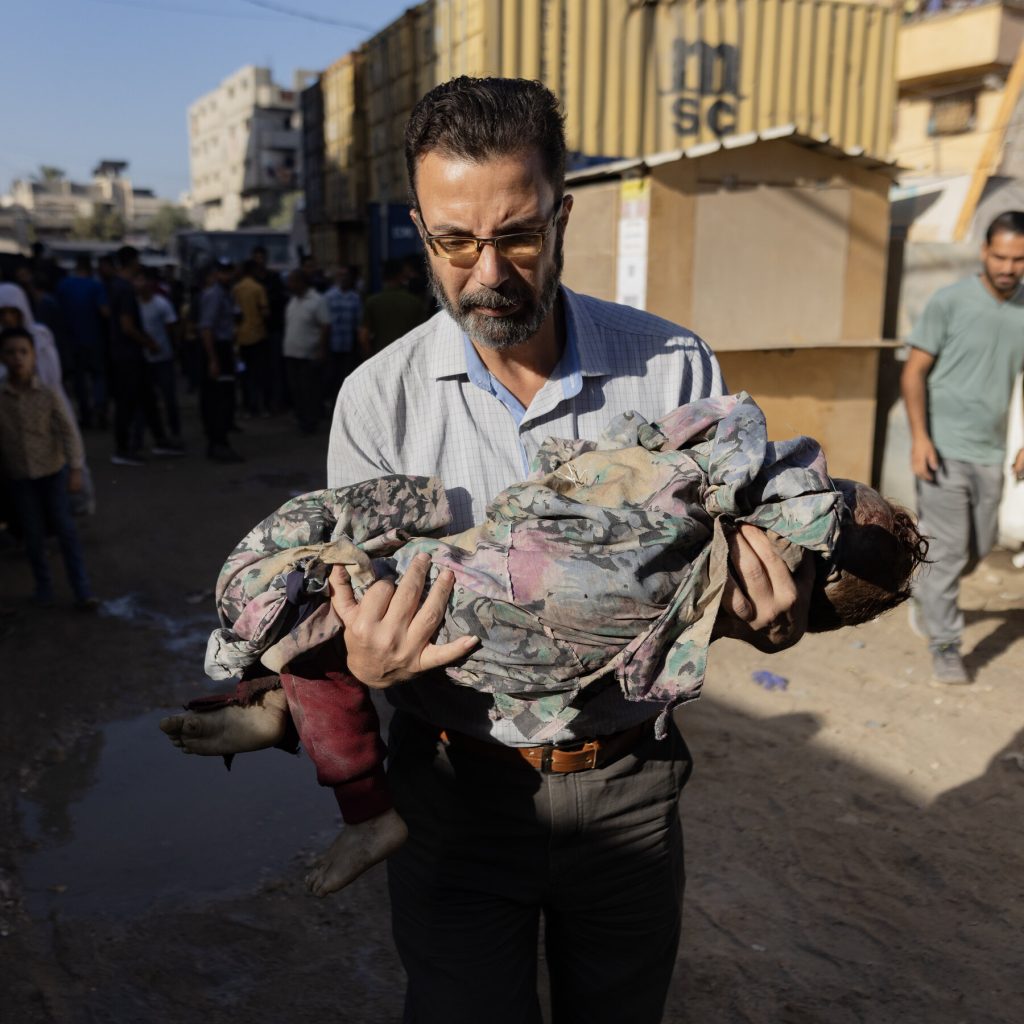
Two months after the cease‑fire was declared, the situation on the ground remains volatile. Israel maintains that its operations are now limited to targeting militants and weapons depots, claiming that the truce has significantly reduced large‑scale assaults.
Despite official statements, reports from humanitarian groups and local witnesses indicate that many Gazans continue to die in circumstances that have little to do with combat. Families on picnics, children sleeping in temporary tents, and civilians simply going about their daily routines have been caught in the crossfire.
Targeted strikes are often announced as precision hits on alleged militant sites. However, the densely populated nature of the Gaza Strip means that even a well‑aimed missile can cause collateral damage. Explosions near residential blocks, the collapse of makeshift shelters, and the spread of shrapnel into nearby streets have led to a rising civilian death toll.
The ongoing loss of life has deepened the humanitarian crisis. Medical facilities are overwhelmed, and families are left grieving while trying to find shelter and food. International aid agencies warn that the death of non‑combatants could fuel further instability and undermine the very purpose of the cease‑fire.
Analysts argue that the root of the problem lies in the lack of clear demarcation between military and civilian zones. “Without robust monitoring and accountability, the truce becomes a fragile pause rather than a lasting peace,” says a regional security expert. They call for independent investigations into each incident to determine whether the use of force complies with international law.
As the cease‑fire enters its third month, the international community is urging both sides to prioritize the protection of civilians. The hope is that renewed diplomatic pressure will lead to stricter enforcement of the truce, preventing further loss of innocent lives.