Aydın,
-4°C
açık

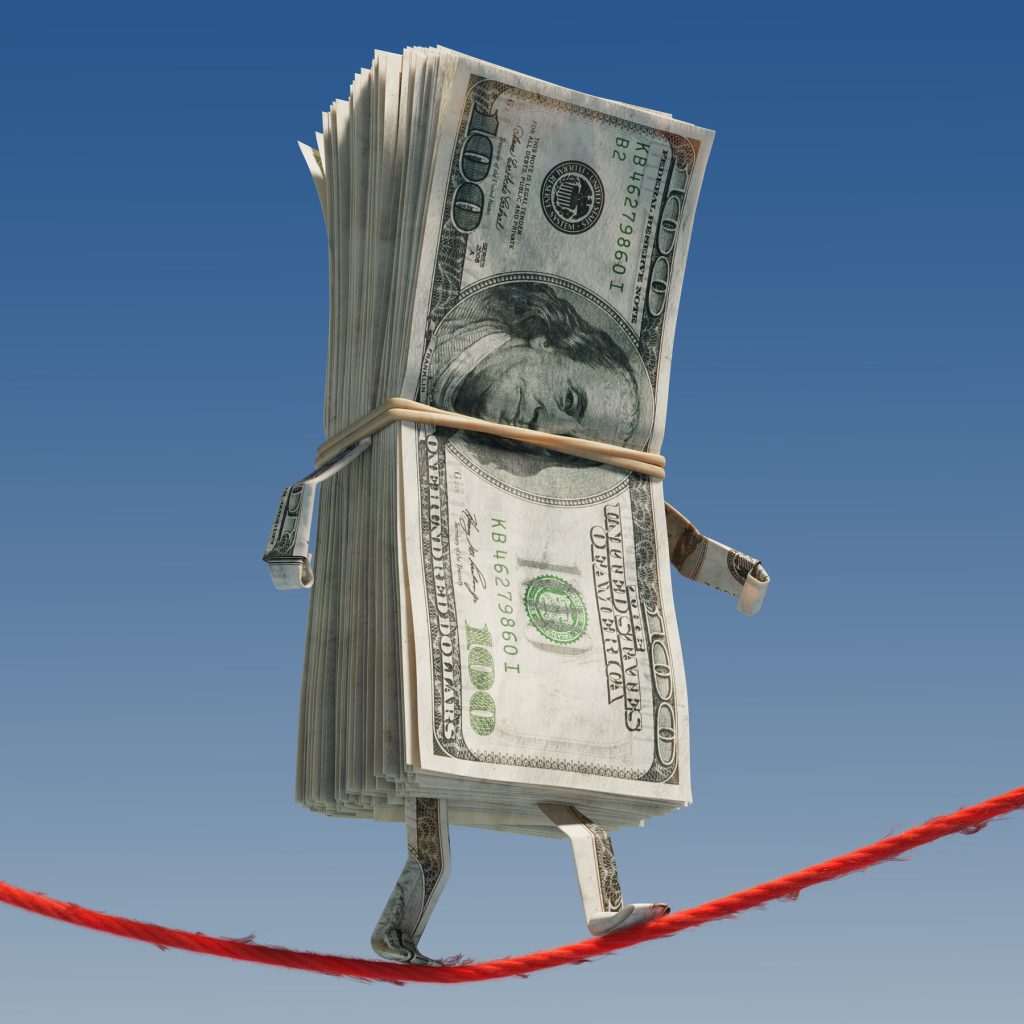
Despite widespread forecasts of a deep recession, the United States managed to keep the economy expanding through 2025. Gross domestic product (GDP) grew at an annualized 2.1 % rate in the fourth quarter, a modest but steady pace that kept the business cycle from slipping into contraction.
While growth persisted, the labor market showed signs of strain. The unemployment rate edged up to 4.9 %, its highest level in three years, as firms slowed hiring after a period of aggressive expansion. Job openings fell by 12 % compared with the previous year, reflecting cautious optimism among employers.
Compensation gains also slowed. Average hourly earnings rose just 2.3 % year‑over‑year, down from the 3.5 % surge recorded in 2023. Analysts attribute the deceleration to a combination of weaker demand for labor and tighter profit margins in key sectors such as retail and manufacturing.
For many Americans, the modest economic gains have not translated into easier living conditions. Housing costs remain elevated, with the median home price still 18 % above pre‑pandemic levels, and rental rates continue to outpace wage growth. Meanwhile, energy prices have risen 7 % over the past six months, squeezing household budgets even further.
Economists warn that the current mix of modest growth, higher unemployment, and stagnant wages could set the stage for a more pronounced slowdown if policy adjustments do not address the underlying affordability issues. The Federal Reserve has signaled a cautious approach to interest rates, aiming to balance inflation control with the need to support a labor market still finding its footing.
In the meantime, policymakers and business leaders are urged to focus on targeted investments in affordable housing, workforce training, and wage‑support programs to ensure that the economy’s resilience benefits a broader swath of the population.