Aydın,
-4°C
açık

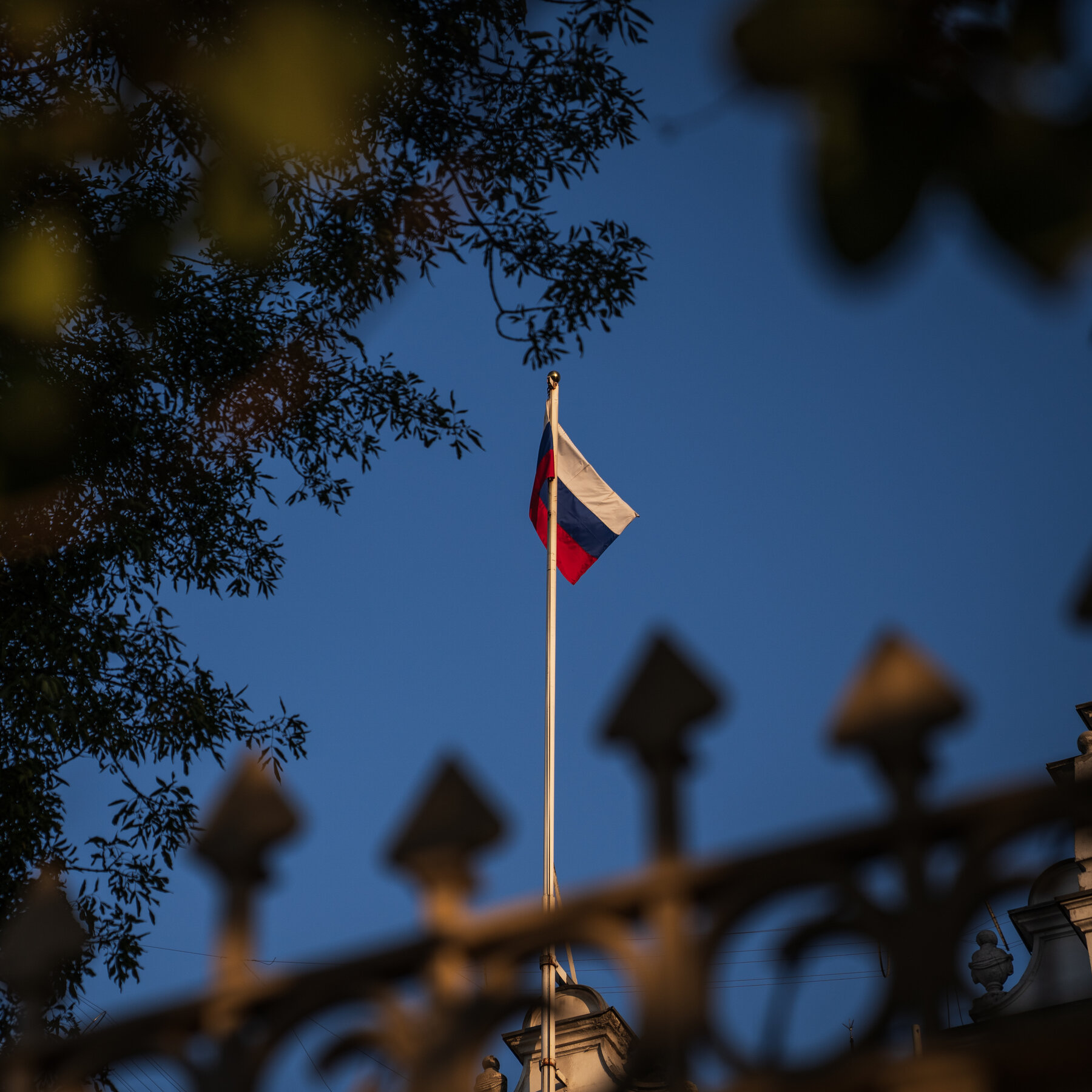
The United States recently provided Mexican authorities with a detailed roster of suspected Russian intelligence officers operating on Mexican soil. According to senior U.S. officials, the list includes individuals believed to be involved in covert recruitment, surveillance, and influence‑building missions throughout the country.
Russian operatives are said to conduct their work from a variety of locations, ranging from the bustling streets of Mexico City to popular beach resorts along the Pacific coast. They allegedly meet with local handlers in cafés, nightclubs, and even at beachfront hotels, using seemingly ordinary social settings to mask their activities.
Despite receiving the U.S. dossier, Mexican officials have not taken immediate steps to expel or detain the identified agents. In a statement, the Mexican foreign ministry emphasized the need for further verification before any action could be taken, noting that “due process and diplomatic protocols must be respected.”
Experts suggest several reasons for Mexico’s cautious stance:
If the Russian presence continues unchecked, it could affect a range of sectors, from drug trafficking interdiction to the security of critical infrastructure. U.S. officials warn that Mexico’s inaction might provide Moscow with a foothold to influence regional politics and undermine joint security initiatives.
Both governments have agreed to deepen intelligence cooperation to monitor the situation more closely. The United States has pledged additional resources to support Mexican law‑enforcement agencies, while Mexico has pledged to “review the information thoroughly” and act in accordance with national and international law.