
Aydın,
-4°C
açık

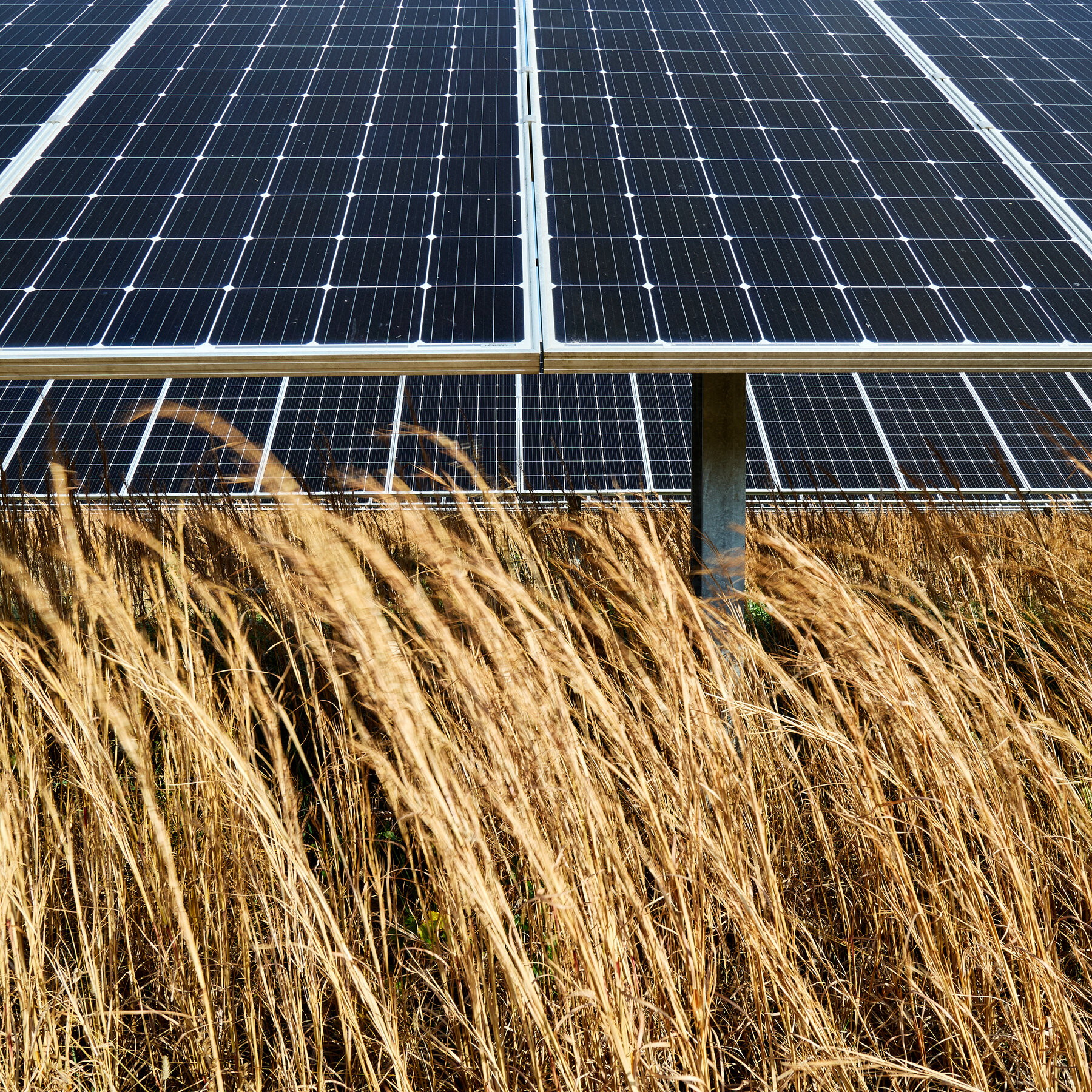
In the heart of the Ozarks, Fayetteville, Arkansas, is proving that a growing college town can lead the way in climate action. The city has begun powering municipal buildings, streetlights, and public facilities with renewable energy sources, dramatically cutting its carbon footprint while also trimming operating costs.
Since 2021, Fayetteville has installed solar panels on the roofs of city hall, the public library, and several schools. These installations generate enough electricity to meet roughly 30% of the city’s annual demand. The surplus is fed back into the grid, earning the city credits that offset future energy bills.
Beyond solar, the city is embracing nature‑based strategies to combat flooding and heat islands. Tree‑planting campaigns along major thoroughfares not only provide shade but also improve air quality. Additionally, restored wetlands on the outskirts act as natural sponges, absorbing stormwater and reducing the risk of flash floods.
The shift to clean energy has already yielded tangible savings. By reducing reliance on fossil‑fuel electricity, Fayetteville expects to save over $1.5 million in municipal expenses over the next five years. Those savings are being redirected into community programs, including affordable housing upgrades and expanded public transportation.
City officials are planning to expand the renewable portfolio with a modest wind‑turbine project on the outskirts of town. Combined with ongoing tree‑planting and green‑infrastructure projects, Fayetteville aims to achieve net‑zero emissions by 2035.
Fayetteville’s experience demonstrates that even mid‑size cities can simultaneously lower emissions, protect the environment, and keep taxpayers’ wallets full. It serves as a model for other communities seeking sustainable growth without sacrificing fiscal responsibility.






Fayetteville’ın bu yaklaşımı gerçekten dikkat çekici. Güneş panelleri ve doğa tabanlı çözümlerle sera gazı emisyonlarını azaltırken maliyetleri de düşürmeleri çok iyi bir strateji.