Aydın,
-4°C
açık

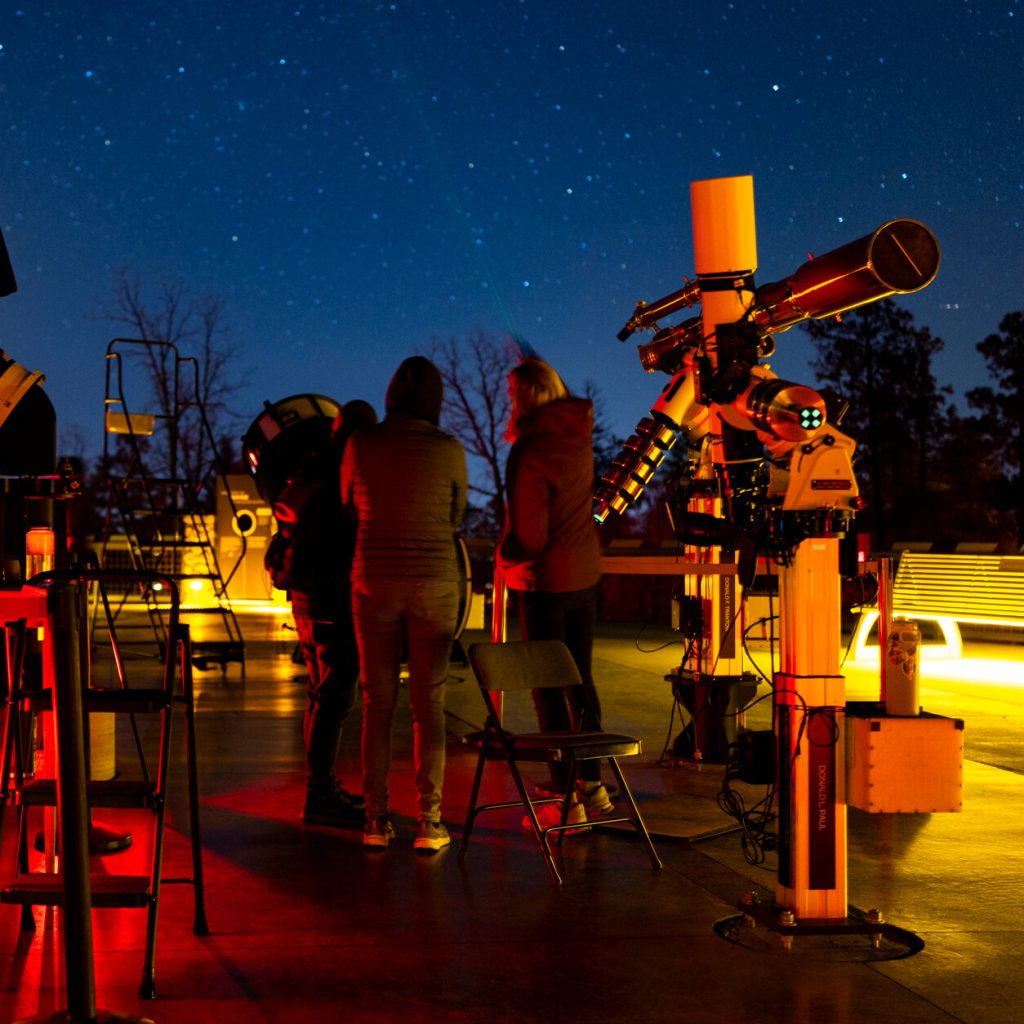
Flagstaff, Arizona – As winter deepens and the nights grow longer, the city’s centuries‑old commitment to protecting its night sky turns the darkness into a spectacular public showcase.
Because of a long‑standing dark‑sky preservation program, residents and visitors alike can enjoy crystal‑clear views of the Milky Way, constellations, and even distant galaxies without the interference of city lights. The effort, which began in the 1970s, earned Flagstaff the distinction of being the world’s first International Dark Sky City.
During the colder months, the city’s sky‑watching opportunities expand dramatically. Local astronomy clubs host nightly stargazing gatherings, while the Flagstaff Arboretum sets up heated viewing platforms for families. The Arizona Snowbowl even offers “Night‑Sky” ski sessions, allowing skiers to glide down the slopes under a canopy of stars.
Tourism officials report a noticeable uptick in visitors seeking the “winter night experience.” Hotels market “Star‑Lit Getaways”, complete with telescopes in the rooms, and restaurants feature menus inspired by constellations, encouraging diners to gaze upward between courses.
Mayor Jared Harlan emphasizes that the city’s dark‑sky policy is more than a tourist draw; it’s a commitment to environmental stewardship. “Protecting our night environment preserves ecosystems, reduces energy consumption, and connects people to a universe that’s been there for millennia,” he said.
For those new to night‑time astronomy, the Flagstaff Visitor Center provides free workshops on how to locate major constellations, identify planets, and use a telescope. The center also distributes “dark‑sky kits” that include red‑light flashlights and star charts.
Whether you’re a seasoned astronomer or simply a curious traveler, Flagstaff’s pitch‑dark winter skies promise a celestial show that rivals any indoor theater. Pack a warm coat, grab a blanket, and look up – the universe is putting on a performance just for you.