Aydın,
-4°C
açık

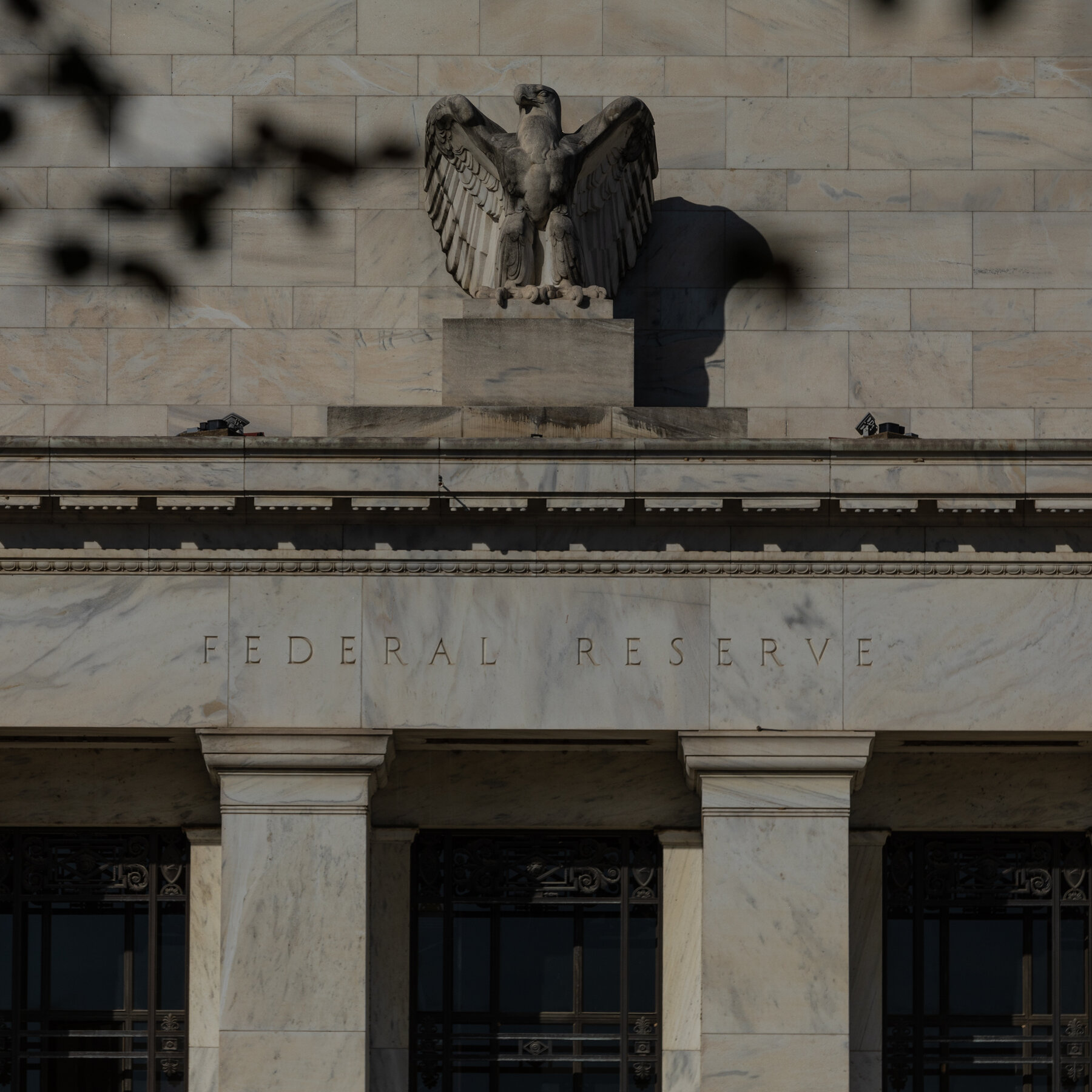
The current administration’s rhetoric is once again putting the Federal Reserve’s independence under scrutiny. Critics argue that recent statements and policy proposals could erode the safeguards that keep monetary policy free from political pressure.
Historically, the Fed’s autonomy was solidified by the Treasury‑Fed Accord of 1951, a landmark agreement that ended the Treasury’s direct influence over interest‑rate decisions and gave the central bank the freedom to pursue its dual mandate of price stability and maximum employment.
Today, however, officials from the White House are openly questioning the Fed’s actions, suggesting that the central bank should align more closely with the administration’s economic agenda. Such pressure revives a debate that has resurfaced multiple times since the 1950s, whenever elected leaders feel that monetary policy is at odds with their short‑term objectives.
“We need a monetary policy that works for the American people, not just for the financial elite,” a senior administration spokesperson said last week, hinting at potential legislative moves to increase oversight of the Fed’s decisions.
Economists warn that undermining the Fed’s independence could lead to higher inflation, market volatility, and a loss of credibility on the global stage. They point to past episodes—such as the early 1970s and the late 1990s—when political interference contributed to economic instability.
While the Treasury‑Fed Accord remains in place, its spirit is being tested. Observers stress that preserving the central bank’s ability to set policy based on data, rather than political timelines, is essential for long‑term economic health.