Aydın,
3°C
açık

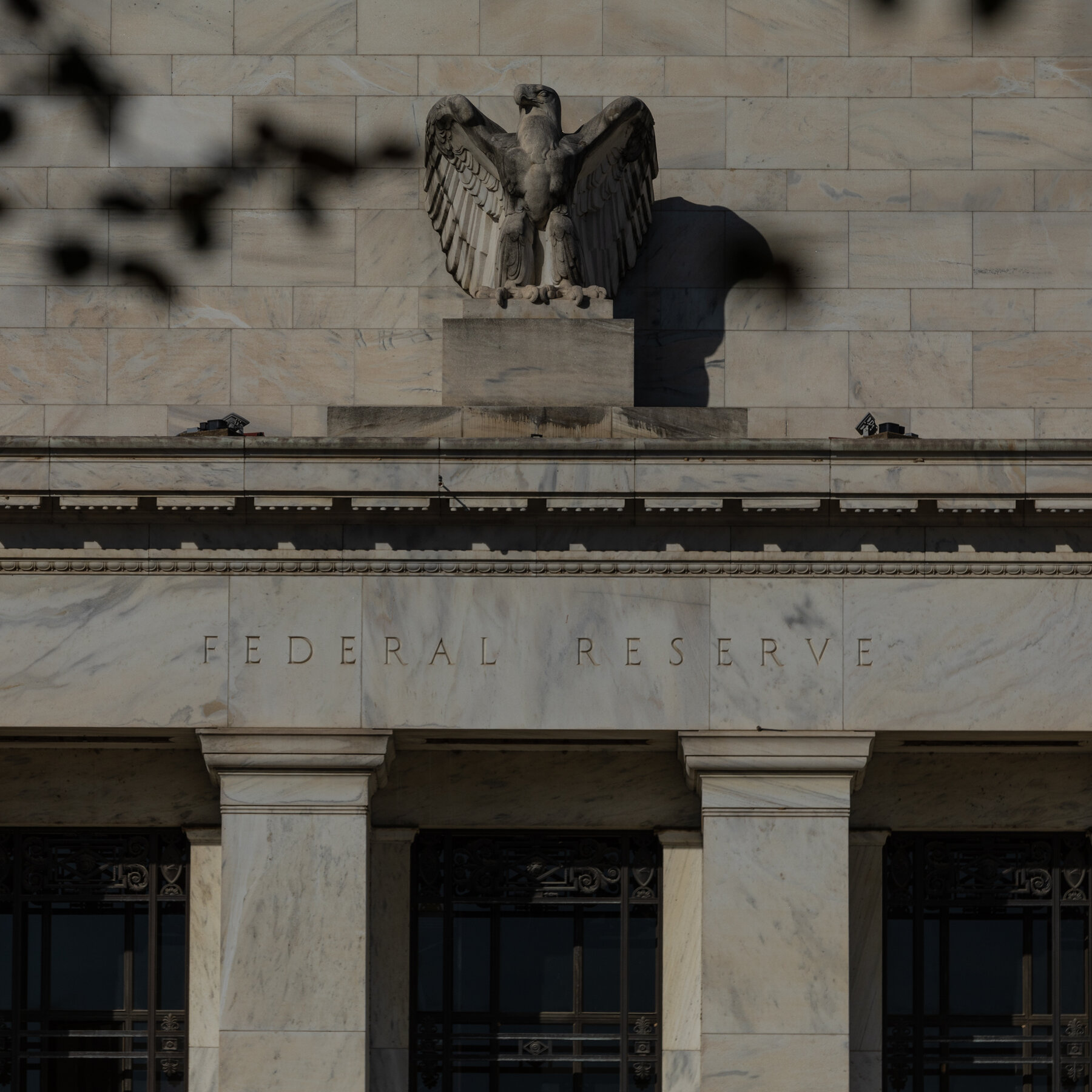
The current administration’s attempts to sway the Federal Reserve are raising alarms among economists and historians alike. Critics argue that the Trump administration is once again challenging the central bank’s independence—a principle that was formally restored by the Treasury‑Fed Accord of 1951.
That historic agreement emerged after World War II, when the Treasury’s financing needs had begun to dominate monetary policy. The accord deliberately separated fiscal responsibilities from monetary ones, granting the Fed the freedom to set interest rates without direct political interference.
Today, the renewed tension centers on public statements and policy proposals that many see as an effort to influence the Fed’s decision‑making process. Observers warn that eroding this independence could undermine confidence in the U.S. dollar, destabilize financial markets, and repeat the mistakes of past eras when political agendas dictated monetary policy.
While the administration argues that its involvement is necessary to address inflation and economic growth, the consensus among most monetary scholars remains that a truly autonomous Federal Reserve is essential for maintaining long‑term economic stability.