Aydın,
-4°C
açık

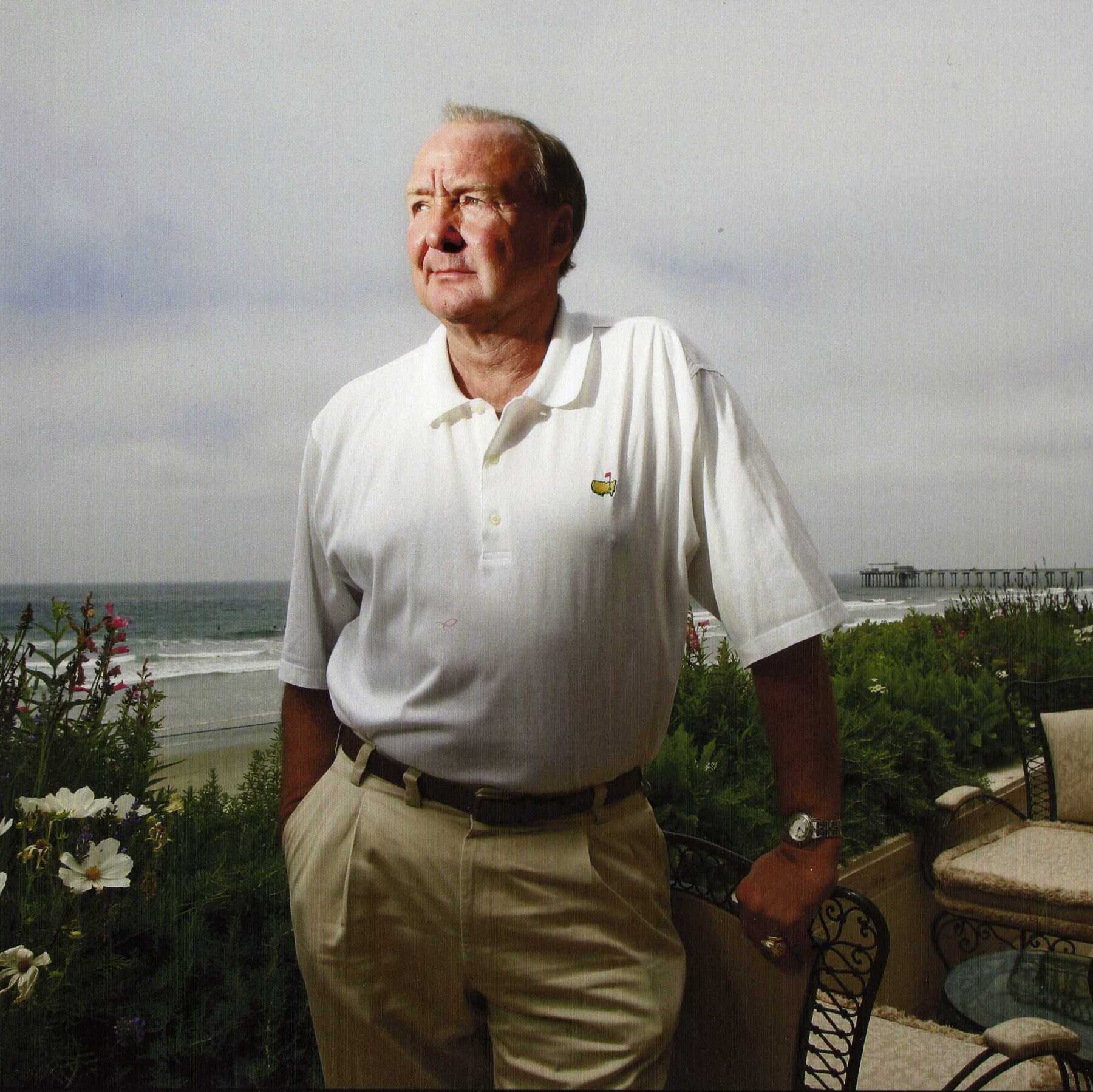
Thomas O. Hicks grew up in Houston, Texas, where he discovered an early fascination with numbers and the world of high‑stakes finance. After earning an MBA from the University of Texas, he entered the burgeoning field of leveraged buyouts in the 1980s, quickly earning a reputation for turning modest capital into multimillion‑dollar enterprises.
Hicks’s most public ventures began in the early 1990s, when he turned his attention to professional sports:
Each acquisition was financed primarily through high‑interest debt, a hallmark of Hicks’s aggressive buyout style.
While the teams initially showed signs of improvement, the financial structure proved unsustainable. By 2002, the combined debt on the three franchises exceeded $300 million. Revenue growth lagged behind interest payments, and the global economic slowdown of the early 2000s further strained cash flow.
In a 2004 interview Hicks admitted, “We were chasing growth faster than the market could sustain. The numbers eventually caught up with us.”
Unable to refinance the mounting obligations, Hicks was forced to sell each team at a loss:
Thomas O. Hicks’s story is often cited as a cautionary tale about the perils of over‑leveraging in sports ownership. Yet, his bold moves also left a lasting imprint:
Hicks passed away on December 5, 2025, at the age of 79. He is survived by his wife, three children, and a complex legacy that continues to provoke debate among financiers and sports fans alike.