Aydın,
-4°C
açık

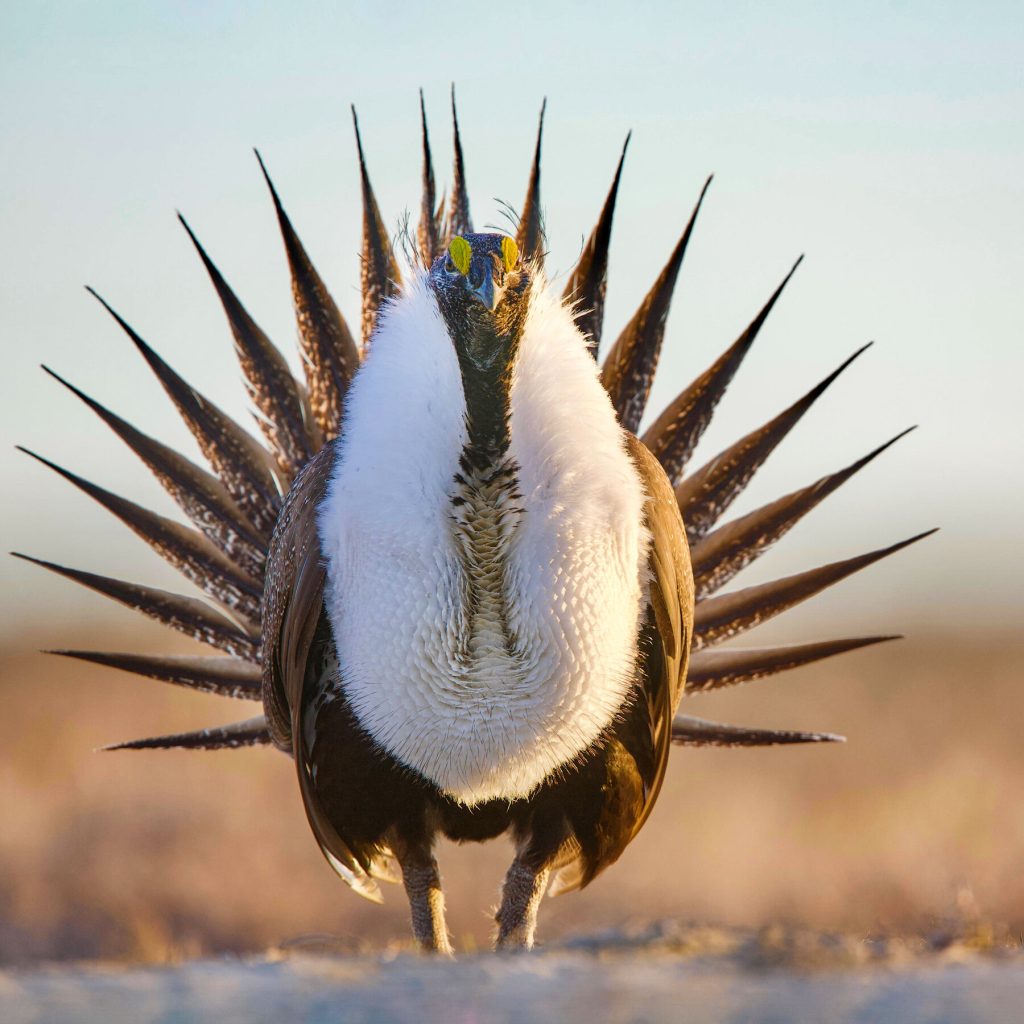
The U.S. Department of the Interior announced a sweeping revision to the Greater Sage‑Grouse habitat protection plan, effectively opening roughly 50 million acres of public land to increased drilling, mining, and livestock grazing.
Under the new regulation, lands that were previously off‑limits or subject to strict permitting requirements will now be eligible for energy development projects and resource extraction. The administration argues that the change will boost economic growth in rural western states and reduce regulatory burdens on the energy sector.
The greater sage‑grouse, a bird native to the sagebrush ecosystems of the West, has been listed as a species of concern for decades due to habitat loss and fragmentation. Conservation groups warn that the rule could accelerate the decline of the bird’s populations by allowing:
“This decision undermines years of scientific research and jeopardizes a species that is already on the brink,” said a spokesperson for the Western Wildlife Coalition. “We risk losing an iconic emblem of the American West.
In a statement, Interior Secretary Ryan Zinke emphasized that the revised rule reflects a “balanced approach” that considers both economic vitality and “reasonable stewardship” of natural resources. He noted that the policy will:
While industry groups have welcomed the change, environmental organizations have filed lawsuits seeking to halt the rule’s implementation. The National Wildlife Federation filed a petition in federal court, arguing that the administration failed to conduct a thorough environmental impact assessment.
State officials are also divided. Governors of several western states, including Wyoming and Montana, praised the move as “a win for local economies,” whereas the governor of Colorado called for a “re‑evaluation of the science” before any further development proceeds.
The rule is set to take effect in early 2021, pending any court injunctions. If the litigation succeeds, the administration may be forced to revise the policy or reinstate previous protections. Meanwhile, the future of the greater sage‑grouse hangs in the balance as stakeholders prepare for a protracted legal and political battle.